
LED Linear Lighting FAQ: Everything You Need to Know
LED linear lighting has rapidly become one of the most sought-after solutions for modern offices, retail stores, and commercial environments. Known for its energy efficiency, sleek aesthetics, and versatile installation options, LED linear lighting is transforming the way businesses illuminate their spaces. Whether you are planning a new lighting project or upgrading existing fixtures, this comprehensive FAQ covers the most common questions, offering valuable insights to help you make informed decisions.
1. What are LED linear lights and their applications in offices?
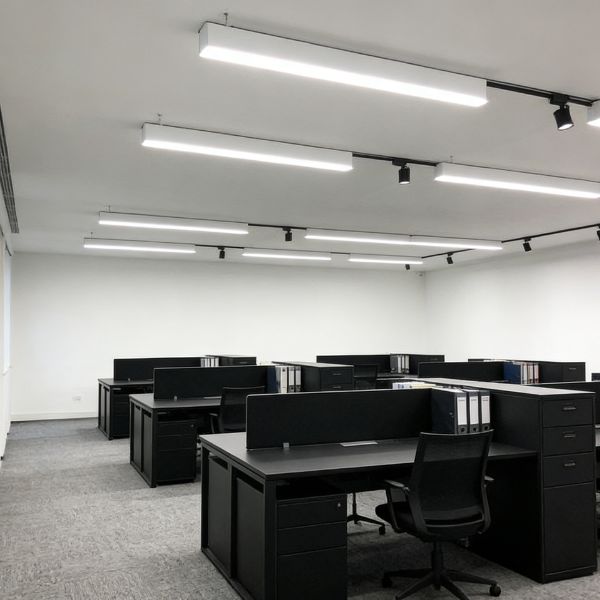
LED linear lights are elongated fixtures consisting of multiple LEDs arranged in a continuous row. They provide even, diffuse illumination, ideal for creating bright, comfortable environments. In office settings, linear LEDs reduce glare and flicker, which helps minimize eye strain for employees working on screens. This type of lighting promotes productivity by delivering balanced ambient light across workspaces.
Applications in offices include:
- General ambient lighting for open-plan areas.
- Task lighting over desks and workstations.
- Continuous runs for corridors and collaborative zones.
- Integration with smart systems for adjustable brightness and tunable white light.
2. How do linear lights enhance retail lighting displays?
In retail environments, presentation and atmosphere directly impact sales. LED linear lighting ensures uniform illumination across shelves and displays, reducing dark spots and enhancing product visibility. With a high Color Rendering Index (CRI), linear LEDs make colors appear more vibrant and true-to-life, improving the appeal of merchandise.
Benefits for retail:
- Vivid product displays with accurate color representation.
- Consistent, shadow-free lighting.
- Flexible dimming and tunable options for different promotions or times of day.
- Dynamic atmospheres that encourage customer engagement and purchases.
3. Are LED linear lights energy-efficient compared to traditional lighting?
Yes. LED linear lights are significantly more energy-efficient than fluorescent or incandescent fixtures, often cutting energy consumption by 60–80%. They offer higher luminous efficacy, producing more light per watt of electricity consumed. Additionally, their extended lifespan (up to 50,000 hours or more) reduces replacement costs and downtime. By directing light efficiently, LEDs also minimize wasted illumination, contributing to sustainable operations.
4. What lengths and lumen outputs are available?
LED linear lights are available in various lengths and outputs to match diverse applications:
- Lengths: From 600mm (compact) to over 2 meters (long runs).
- Lumen output: Typically ranges from ~1,650 lumens (short fixtures) to over 7,400 lumens (high-output models).
- Customization: Many manufacturers provide modular or cut-to-size options for seamless continuous runs.
5. Can linear lights be suspended or recessed?
Absolutely. LED linear lights are versatile and support different mounting methods:
- Suspended: Hung from ceilings with cables or rods, ideal for open-plan offices and retail spaces with high ceilings.
- Recessed: Integrated into ceilings or walls for a clean, minimalist look.
- Surface-mounted: Fixed directly onto ceilings or walls, suitable where suspension or recessing is not possible.
6. Are linear lights suitable for continuous runs in open-plan offices?
Yes. Continuous linear runs are a key strength of LED linear systems. They deliver uninterrupted, glare-free illumination across large open areas. This uniformity enhances visual comfort, promotes spatial orientation, and helps create cohesive office environments. Seamless connections eliminate visible breaks, offering both functional and architectural benefits.
7. Can linear LED lighting be dimmed or controlled remotely?
Modern LED linear systems are highly compatible with advanced controls:
- Dimming options: DALI, 0-10V, TRIAC dimming.
- Smart controls: Integration with apps, sensors, or building management systems.
- Features: Tunable white (adjustable color temperature) and RGBW options for dynamic environments.
Remote control enhances energy efficiency and occupant comfort by enabling personalized lighting scenes and automatic adjustments based on occupancy or daylight.
8. What are the most popular finishes and colors?
LED linear lights are available in finishes that match contemporary interiors:
- Finishes: White (clean, neutral), black (modern, bold), natural aluminum (industrial, sleek).
- Color temperatures:
- Warm White (3000K): Cozy, welcoming.
- Neutral White (4000K): Balanced and versatile, suitable for offices and retail.
- Cool White (5000K): Bright, high-contrast, ideal for task-intensive spaces.
9. How to plan lighting layout for maximum efficiency?
Lighting design is crucial for performance and comfort:
- Offices: Ensure uniform ambient light with minimal glare. Space fixtures evenly based on ceiling height and room dimensions.
- Retail: Use a mix of linear ambient lighting and accent lights for displays.
- Controls: Incorporate dimmers, motion sensors, and daylight harvesting to maximize efficiency.
- Continuous runs: For large areas, ensure no dark gaps or inconsistent brightness.
10. What are the latest trends in linear lighting for UK commercial spaces?
The UK commercial lighting sector embraces innovation and sustainability. Key trends include:
- Smart lighting: Networked systems for remote control and energy management.
- Tunable white and RGBW: Adaptive lighting that matches circadian rhythms or brand aesthetics.
- Architectural integration: Recessed linear profiles for seamless ceiling designs.
- Sustainability focus: Demand for high-efficiency, eco-friendly fixtures with reduced carbon footprint.
Additional Popular FAQs on LED Linear Lighting
What types of LED linear lights are best for offices versus retail?
- Offices: Neutral to cool white tunable lights with uniform diffusion.
- Retail: High-CRI lights that enhance merchandise appearance and create inviting atmospheres.
How to install LED linear lighting profiles properly?
- Follow manufacturer guidelines for wiring, brackets, and connectors.
- Use secure mounting systems to support continuous runs.
- Ensure proper load distribution to prevent failures.
Are LED linear lights suitable for outdoor use?
- Yes, but only models with weatherproof ratings (IP65+). Always check product specifications.
What is the lifespan of LED linear lighting?
- Typically 50,000+ hours, translating to 10+ years under normal usage.
Can LED linear lights be painted or customized?
- Some can be customized with finishes or colors, but ensure compatibility to avoid overheating or warranty issues.
What is the difference between surface-mounted and recessed linear lighting?
- Surface-mounted: Visible, easy to install.
- Recessed: Flush with ceilings/walls, offering a clean architectural look.
How to troubleshoot flickering in LED linear lights?
- Check dimmer compatibility, wiring connections, and power stability.
- Replace failing components if necessary.
What safety standards apply to LED linear lighting in commercial buildings?
- Fixtures should comply with certifications such as CE, RoHS, and UL (depending on region).
- Ensure compliance with local building and fire safety codes.
Conclusion
LED linear lighting is a versatile, energy-efficient, and stylish choice for commercial environments such as offices and retail stores. From improving productivity in workplaces to creating attractive retail displays, LED linear fixtures offer unmatched flexibility and performance. By understanding the key features, applications, and best practices outlined in this FAQ, you can confidently plan and implement a lighting solution tailored to your space.
Need help choosing the right products? Whether you require supplier recommendations, layout design tips, or customized solutions, our team can assist you in making the best decision for your project.







 English
  French
  Arabic
  German
  Spanish
  Italian
  Portuguese
  Esperanto
  Greek
Greek  Finnish

Leave A Comment