

Boutique Lighting FAQ: Your Complete Guide
Lighting is one of the most powerful design tools in a boutique store. It influences how products are perceived, affects customer mood, and ultimately drives sales. To help boutique owners, interior designers, and retail professionals make the right choices, we’ve created this Boutique Lighting FAQ — a detailed resource covering everything from ambient and accent lighting to smart controls and energy efficiency.
General Boutique Lighting Basics
1. What is the best lighting setup for a boutique store?
The best lighting setup combines ambient, task, and accent lighting to create layers of light, ensuring balanced illumination, highlighting products, and creating an inviting atmosphere. Using LED lighting options ensures energy efficiency and flexibility. For retail-specific lighting solutions, visit prillumen.com.
2. How can ambient lighting create the right atmosphere in a boutique?
Ambient lighting provides general illumination and sets the overall mood. Warm or neutral color temperatures (3000K–4000K) create a cozy, welcoming environment. It’s best achieved with ceiling fixtures like recessed lights or linear LED lights that distribute light evenly.
3. What types of lighting fixtures are ideal for boutiques?
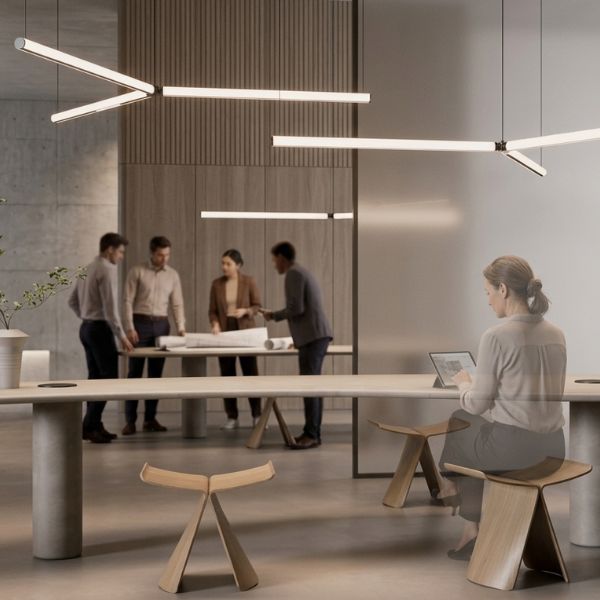
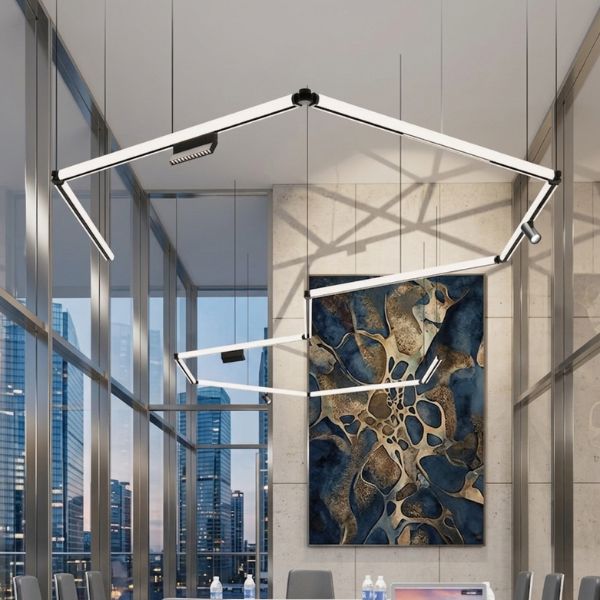
Fixtures such as LED track lights, linear lights, spotlights, and decorative pendants are popular, offering versatility for highlighting products and adding style. Adjustable fixtures help direct attention where needed.
Product Visibility & Customer Engagement
4. How do I improve product visibility in my boutique?
Use high-CRI (Color Rendering Index) lighting that shows true product colors, combined with accent lights like spotlights or track lighting to draw eyes to featured items. Ensure there are no harsh shadows or glare.
5. What color temperature should I use in a boutique to enhance mood and sales?
A mix of 3000K (warm white) and 4000K (neutral white) is ideal. Warmer tones enhance the perception of comfort for customers, while cooler tones are good for task areas like fitting rooms or checkouts. Adjustable tunable white fixtures offer flexibility.
6. How do I light my boutique window displays effectively?
Window displays benefit from focused accent lighting like directional spotlights that create strong visual impact and attract passersby. Use dimmable LEDs to control intensity as external lighting changes.
7. What is accent lighting, and how is it used in boutique retail settings?
Accent lighting highlights specific products or architectural features. Its purpose is to create visual interest and contrast against ambient lighting, guiding customers’ attention to high-priority areas.
8. Can natural light be incorporated into boutique lighting design?
Yes, integrating natural light with electric lighting improves the ambiance and reduces energy costs. Use window treatments to control glare and UV exposure to protect products.
9. Is it worth investing in smart lighting systems for boutiques?
Smart lighting systems allow remote control, scheduling, and scene setting, enhancing energy efficiency and customer experience. These systems also enable quick adjustments for events or different times of day.
10. How do different layers of lighting (ambient, task, accent, decorative) work together in boutiques?
Each layer serves a purpose: ambient provides overall light, task lighting aids specific activities like checkout, accent draws attention to products, and decorative adds style and personality. Together, they create an engaging and functional environment.
Lighting for Dressing Rooms & Customer Comfort
11. What are the lighting considerations for boutique dressing rooms?
Dressing rooms benefit from natural-looking light with high CRI and balanced color temperature (around 3500K). Avoid harsh shadows by using diffused lighting from multiple angles.
12. How do lighting choices impact customer experience and engagement?
Lighting influences mood and perceived quality. Well-designed lighting can increase dwell time, highlight products effectively, and encourage purchases by creating an inviting and memorable shopping experience.
13. How can lighting be adjusted for different times of day or special events in a boutique?
Using dimmable and tunable fixtures controlled via smart systems, adjust lighting scenes to match daylight changes or special promotions, ensuring optimal visibility and ambiance all day.
14. What are common mistakes boutique owners make in lighting their stores?
Mistakes include over-reliance on ambient lighting without accent lights, using low CRI bulbs, causing glare or shadows, and poor fixture placement. Balanced layered lighting avoids these issues.
Highlighting Products & Colors
15. What lighting options help highlight textiles and colors accurately?
High CRI LED lights paired with appropriate color temperatures (3000K-4000K) ensure textiles’ colors look vibrant and true to life, enhancing customers’ perception of fabric quality.
16. How do I choose lighting fixtures that match the boutique’s brand and aesthetic?
Choose fixture styles and finishes that complement your boutique’s theme — modern boutiques might favor sleek linear LEDs, while vintage stores could select decorative pendants or warm-toned fixtures.
17. What are the benefits of LED lighting in boutique stores?
LEDs offer energy efficiency, long lifespan, low heat emission, high CRI for accurate color rendering, and flexible designs like linear or track lighting ideal for boutique settings.
18. How can I use track lighting and spotlights effectively?
Track lights and spotlights provide directional accent lighting, are flexible for changing displays, and can focus light onto specific products while reducing unwanted shadows.
19. How much lighting (lumens) is ideal for boutique retail spaces?
Lighting levels of 300 to 600 lux generally work well for boutiques, with higher lux in display areas or task zones like fitting rooms.
20. What type of lighting control options are available for boutiques?
Controls include dimmers, timers, occupancy sensors, and smart lighting systems that allow remote adjustments, scene control, and energy optimization.
Design & Aesthetic Considerations
21. How do I avoid harsh shadows and glare in boutique lighting?
Use diffused ambient light combined with carefully aimed accent lighting. Avoid placing bright lights directly in customers’ line of sight and use matte finishes to reduce reflections.
22. What role does decorative lighting play in creating a luxury boutique feel?
Decorative lighting, such as chandeliers or designer pendants, adds character, reinforces brand identity, and enhances perceived luxury, making the environment more memorable.
23. How can lighting layout guide customer flow and attention within the store?
Strategic placement of brighter lights in priority areas and softer lighting elsewhere can lead customers naturally through the boutique, increasing exposure to key products.
24. Are there specific lighting standards or regulations for retail/boutique stores?
Safety and energy codes vary by region, but common standards include adequate illumination levels, proper certification of fixtures (CE, UL), and compliance with fire safety regulations.
25. How can LED lighting reduce energy costs in boutiques?
LEDs consume less power and last longer than traditional bulbs. Using LEDs with smart controls to dim or switch off lights when areas are unused further cuts energy costs.
26. What maintenance considerations exist for boutique lighting fixtures?
LED fixtures require minimal maintenance but keep diffusers clean, check electrical connections regularly, and replace any failing components promptly to maintain quality illumination.
27. Can boutique lighting be customized or tailored for seasonal displays?
Yes, modular LED lighting and adjustable tracks allow decorators to change lighting direction, color, and intensity to highlight seasonal or promotional displays effectively.
28. How to balance lighting intensity between different boutique areas like checkout, displays, and fitting rooms?
Use layered lighting: brighter accent lights on displays, moderate ambient for general space, and balanced lighting in checkout and fitting rooms to ensure visibility without discomfort.
29. How do I create lighting that complements boutique interior design styles (modern, vintage, industrial, etc.)?
Select fixtures and light temperatures that reflect your design theme — sleek LEDs for modern, warm pendants for vintage, and exposed bulbs or metal fixtures for industrial styles.
30. How to handle lighting in small boutique spaces to maximize perceived size and openness?
Use bright ambient lighting with cool temperatures, avoid bulky fixtures, and employ reflective surfaces to bounce light, creating an airy, spacious feel.
Conclusion: Why Boutique Lighting Matters
This Boutique Lighting FAQ shows how thoughtful lighting design can improve product visibility, enhance customer experience, and reinforce brand identity. By layering ambient, accent, task, and decorative lighting, boutique owners can create engaging and profitable spaces.
For expert solutions and tailored LED products, visit prillumen.com.




 English
  French
  Arabic
  German
  Spanish
  Italian
  Portuguese
  Esperanto
  Greek
Greek  Finnish

Leave A Comment