

What Is Ambient Lighting?
Definition and Characteristics
Ambient lighting, often referred to as general lighting, serves as the primary source of illumination within a space. Its main objective is to provide a uniform level of light that allows occupants to navigate a room safely and perform basic tasks. Unlike focused beams, ambient light radiates a soft, encompassing glow that bounces off walls and ceilings to minimize harsh shadows.
The Role of Ambient Light in Layered Lighting Design
In professional interior design, ambient lighting functions as the foundation of a layered lighting strategy. It sets the “base” brightness level, upon which task lighting (for specific activities) and accent lighting (for highlighting features) are built. Without a strong ambient base, a room can feel disjointed, overly dark in corners, or visually fatiguing due to high-contrast glare.
Why Ambient Lighting Matters for Mood and Comfort
The psychological impact of ambient lighting fixtures cannot be overstated. By filling a room with a consistent glow, these fixtures:
- Enhance Comfort: Reduces eye strain by providing a balanced visual environment.
- Set the Tone: Warm color temperatures create intimacy, while cooler tones boost alertness.
- Improve Aesthetics: Well-executed general lighting makes a space feel larger and more inviting.
| Feature | Ambient Lighting Impact |
|---|---|
| Visual Clarity | Provides the necessary lumens for overall spatial orientation. |
| Atmosphere | Defines the “vibe” of a home or commercial property. |
| Safety | Eliminates dark spots and trip hazards in high-traffic areas. |
Key Types of Ambient Lighting Fixtures
Choosing the right ambient lighting fixtures is about more than just “turning on the lights.” It’s about creating a foundation of light that fills the room without causing harsh shadows. We focus on fixtures that blend aesthetics with high-performance output to ensure every corner of your space feels inviting.
Chandeliers and Pendant Lights
These are the statement makers of any interior. While often seen as decorative, a well-placed chandelier or a set of pendant lights provides a central source of diffused light. We recommend these for entryways, dining rooms, and high-ceiling living areas where you need a mix of style and broad illumination.
Recessed Lights and Flush Mounts

For a clean, minimalist look, recessed lights (often called pot lights) are the gold standard. They tuck into the ceiling to provide a seamless glow. If you have lower ceilings, flush mounts are the perfect alternative, offering wide-angle light distribution without taking up vertical space. For specialized commercial environments, using a high-quality waterproof batten light for cleanroom applications ensures that even sterile or moisture-prone areas maintain perfect ambient levels.
Wall-Mounted Sconces and Lamps
Not all ambient light has to come from above. Wall sconces bounce light off the walls and ceiling, softening the overall feel of a room. Floor and table lamps add “mid-level” light, which is essential for making large living spaces feel cozy and lived-in rather than clinical.
Cove Lighting and LED Strip Lights
Cove lighting is a favorite for modern architectural designs. By hiding LED strip lights behind crown molding or inside ceiling recesses, you create an “indirect” glow that mimics natural daylight. It’s an elite way to add depth to a room without seeing the actual light bulbs.
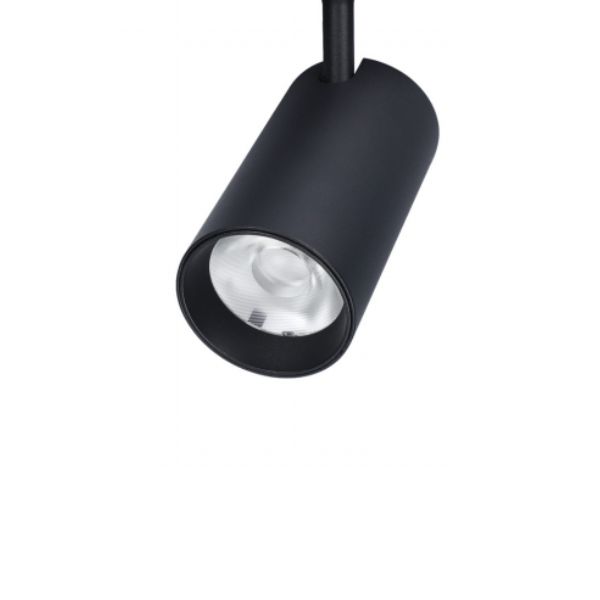
Track Lighting and Surface Panels
Track lighting offers incredible flexibility, allowing you to aim multiple heads to bounce light off walls, which fills the room indirectly. For a more uniform, professional look—especially in retail or office settings—surface-mounted panels provide a broad, flicker-free light source. If you are looking to outfit a business, we are among the top LED batten light suppliers providing durable, high-lumen solutions that stand the test of time.
| Fixture Type | Best Use Case | Lighting Effect |
|---|---|---|
| Chandeliers | Dining & Entryways | Decorative & Central |
| Recessed Lights | Kitchens & Hallways | Hidden & Uniform |
| LED Strips | Ceilings & Under-cabinets | Indirect & Moody |
| Sconces | Bedrooms & Corridors | Soft & Lateral |
How to Choose the Right Ambient Lighting Fixtures
Picking the right ambient lighting fixtures isn’t just about style; it’s about how the light fills the volume of your room. We focus on finding that “sweet spot” where the light feels natural and covers every corner without creating harsh shadows.
Assessing Room Size and Layout
Before buying, we always measure the square footage. A fixture that’s too small looks lost, while one that’s too large overpowers the space. For open layouts, we recommend using multiple light sources to define different zones without building physical walls.
| Room Type | Recommended Diameter | Placement Tip |
|---|---|---|
| Small Bedroom | 12″ – 18″ | Center of the ceiling |
| Large Living Area | 24″ – 36″ | Over seating clusters |
| Long Hallways | 10″ – 12″ | Space every 8-10 feet |
Selecting the Right Color Temperature and Lumens
Lumens measure brightness, while Color Temperature (Kelvin) dictates the “vibe.” For general ambient light, we suggest staying between 2700K and 3000K to keep things warm and inviting.
- Living/Bedrooms: 20-30 lumens per square foot.
- Kitchens/Workspaces: 30-40 lumens per square foot.
Considering Energy-Efficient LED Solutions
We prioritize LEDs because they provide high-quality illumination at a fraction of the power cost. If you are upgrading a commercial space, choosing high-durability options like big box store lighting ensures your ambient setup lasts for years without constant maintenance or flickering issues. Modern LEDs also offer better Color Rendering Index (CRI), making your interior colors pop.
Integrating Dimming and Smart Controls
Static light is a mistake. We highly recommend installing dimmer switches or smart controls for all your ambient fixtures. This allows you to shift from “bright and productive” morning light to “soft and relaxed” evening tones at the touch of a button. Smart integration also lets you schedule lighting changes to match your daily routine automatically.
Techniques for Implementing Ambient Lighting in Different Spaces
Every room serves a different purpose, meaning your approach to ambient lighting fixtures must adapt to the specific environment. Layering light correctly ensures both comfort and functionality across different settings.
Living Rooms and Bedrooms
In living rooms and bedrooms, the goal is relaxation. We want to avoid harsh overhead glare and focus on creating a warm, inviting glow.
- Living Rooms: Combine dimmable recessed ceiling lights with stylish floor lamps in corners to eliminate shadows.
- Bedrooms: Use low-glare fixtures. Placing a sleek linear sconce light on either side of the bed provides excellent, soft ambient coverage without straining your eyes during nighttime reading.
Kitchens and Dining Areas
These spaces require a balance of high visibility for cooking and a softer ambiance for enjoying meals.
- Kitchens: Flush mounts or grid-patterned recessed lights distribute even brightness across the entire layout. Adding led batten strip lights above the cabinets bounces soft light off the ceiling, filling the room beautifully.
- Dining Areas: A central pendant or chandelier acts as the anchor, casting a warm glow over the table while setting a welcoming tone for guests.
Bathrooms and Hallways
Bathrooms and hallways need safe, clear navigation without feeling sterile or overly bright.
| Space | Recommended Fixture Type | Implementation Technique |
|---|---|---|
| Bathrooms | Damp-rated flush mounts & wall sconces | Avoid placing lights directly over mirrors to prevent harsh shadows on the face. Side-mounted sconces diffuse light more evenly. |
| Hallways | Recessed cans or low-profile surface panels | Space fixtures evenly along the ceiling path to guide movement safely down the corridor. |
Commercial and Professional Lighting Projects
Commercial environments demand durable, high-efficiency systems that can run for extended hours while keeping customers comfortable. In retail environments, balanced background illumination is vital for setting a premium shopping mood. Implementing tailored LED-Beleuchtung für Einzelhandel (retail LED lighting) ensures that your store enjoys uniform ambient coverage while keeping the focus entirely on the merchandise. For corporate offices, large surface panels or architectural track systems provide clean, shadow-free illumination that reduces eye strain and boosts workplace productivity.
Frequently Asked Questions About Ambient Lighting
What is the primary purpose of ambient lighting?
The primary purpose of ambient lighting fixtures is to provide uniform, general illumination throughout a room. It acts as the base layer of light, ensuring safe navigation, reducing harsh shadows, and setting the overall mood and comfort level of the space.
Can LED strip lights be used as a primary ambient light source?
Yes, LED strip lights can serve as a primary ambient light source, especially when installed as cove lighting or dropped ceiling accents. To make them work effectively on their own, choose high-lumen, high-density strips and pair them with a diffuser to create a soft, seamless glow rather than visible, harsh hot spots.
How do you balance ambient lighting with task and accent lights?
Achieving a balanced layered lighting design requires a simple three-step approach:
* **Layer 1 (Ambient):** Establish your foundation with recessed cans, flush mounts, or central fixtures to fill the room with general light.
* **Layer 2 (Task):** Add focused illumination where activity happens, such as reading areas or next to the bed using specialized hotel-style bedside lamps.
* **Layer 3 (Accent):** Highlight architectural features or artwork with directional spotlights or wall sconces to add depth.
How can I improve ambient lighting in rooms with limited natural light?
To brighten up dark spaces or windowless rooms, focus on maximizing light reflection and distribution:
* Use a mix of flush mounts and perimeter wall sconces to bounce light off the walls and ceiling.
* Opt for a warm white color temperature (2700K–3000K) to mimic natural daylight.
* Integrate dimmable smart controls to adjust the brightness levels based on the time of day, ensuring the room always feels open and inviting.



 English
  French
  Arabic
  German
  Spanish
  Italian
  Portuguese
  Esperanto
  Greek
Greek  Finnish

Leave A Comment