
Comprehensive Supermarket Lighting Solutions
Supermarket lighting plays a fundamental role far beyond simply illuminating the shopping environment; it shapes the entire customer experience, drives product visibility, and ultimately influences sales performance. In today’s competitive retail landscape, supermarkets are leveraging advanced lighting technologies to create inviting, functional, and visually compelling spaces that engage shoppers and optimize operational efficiency. This comprehensive guide delves deep into supermarket lighting design principles, zone-specific illumination strategies, and essential B2B considerations. It also draws on best practices from leading industry cases to help retailers and buyers implement state-of-the-art lighting solutions that enhance both aesthetics and profitability.
Supermarket Lighting Design Principles for an Enhanced Customer Experience
An effective supermarket lighting design balances several critical factors: consistent brightness, accurate color rendering, appropriate color temperature, and superior energy efficiency. These elements combine to create a shopping environment that is both visually comfortable and commercially effective.
Uniform Illumination Across Aisles and Shelves
Ensuring even, uniform lighting throughout aisles and along shelves is essential. Uneven lighting or dark spots can disorient shoppers and obscure products, negatively impacting customer confidence and purchase decisions. Uniform illumination encourages shoppers to spend more time browsing and reduces eye strain, which contributes to a relaxed and welcoming shopping atmosphere.
High Color Rendering Index (CRI) Lighting
Lighting with a high CRI (above 80) faithfully reproduces product colors, making fresh foods, produce, and packaged goods appear vibrant and true to life. Accurate color representation instills confidence in product freshness and quality, prompting higher customer engagement and sales. Retailers find that high-CRI LED lights improve overall visual appeal while supporting brand trust.
Color Temperature Adapted to Product Zones
Selecting the proper color temperature tailored to specific supermarket sections elevates the perceived quality of products:
- Warm lighting (2700K–3500K) enhances warmth and richness in bakery and meat areas, emphasizing freshness and appetite appeal.
- Cooler lighting (4000K–5000K) promotes a crisp, clean look ideal for produce displays, reinforcing the perception of freshness.
Strategically using varying color temperatures creates a nuanced shopping environment that subtly guides customer attention.
Energy-Efficient LED Solutions
Modern supermarkets benefit from LED lighting systems that consume significantly less energy and require minimal maintenance compared to traditional fluorescent or incandescent bulbs. LEDs have longer lifespans and lower heat output, reducing cooling costs. Advanced LED options also enable dimming and intelligent controls, giving supermarkets the flexibility to adjust lighting conditions based on occupancy, daylight availability, or promotional activities to maximize efficiency.
Glare Reduction and Layered Lighting
Properly positioned fixtures reduce glare, enhancing shopper comfort, especially near reflective surfaces or glossy packaging. Layered lighting—combining ambient, task, and accent lights—adds depth and visual interest, while directing customer focus towards high-margin or promotional products. This multidimensional lighting approach can boost product discoverability and customer engagement.
Effective Lighting Solutions for Supermarket Zones
Different areas within a supermarket have unique lighting needs, and addressing these through tailored solutions is critical for operational success and customer satisfaction.
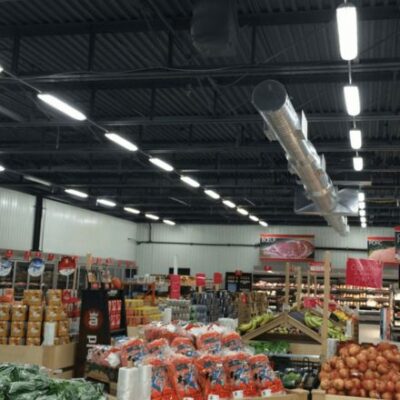
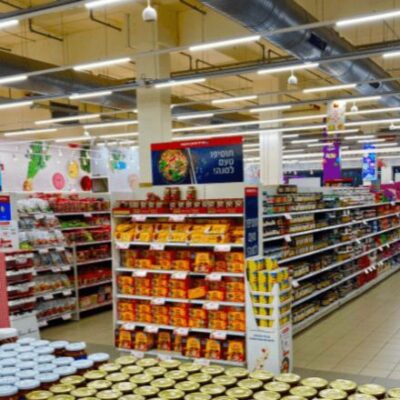
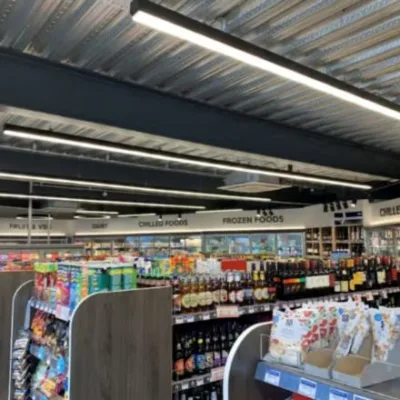
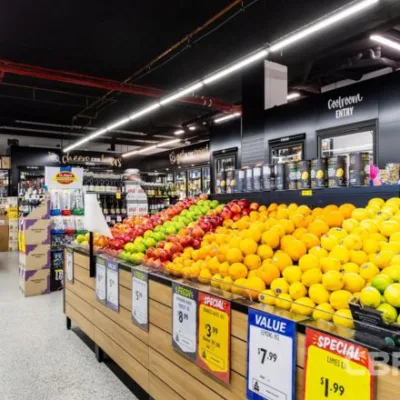
Entrance and Aisle Lighting
Entrances are the first touchpoint that set the tone for the entire store visit. Well-lit entrances create a welcoming atmosphere that invites foot traffic. Continuous overhead lighting or recessed linear fixtures ensure smooth navigation along aisles, while integrated lighting around branding or promotional signage enhances store identity and marketing impact. Research shows supermarkets with bright, consistent entrance lighting experience improved customer perceptions and increased dwell time.
Shelf and Product Display Lighting
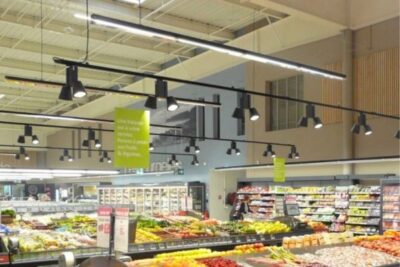
Flexible lighting systems like track lighting are ideal for shelves and displays. These allow directional, adjustable illumination that can highlight promotions, seasonal collections, or premium items without extensive rewiring. With repositionable track heads, retailers can quickly adapt displays, matching changing marketing campaigns and merchandise layouts. Numerous retailers report that targeted lighting dramatically increases shopper attention and boosts sales of featured products.
Fresh Food, Bakery, and Meat Lighting
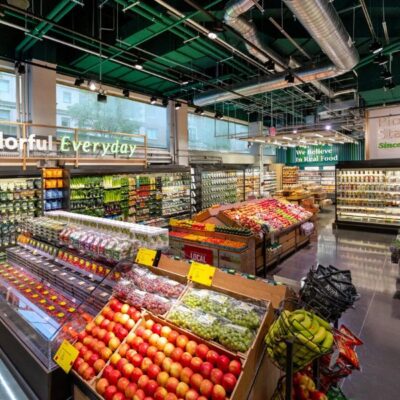
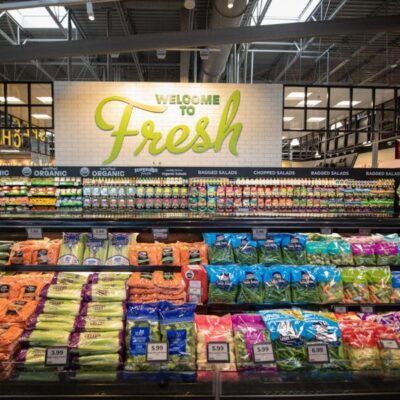
These fresh food zones require a sophisticated lighting strategy to showcase the quality and freshness of products. Warm-toned LEDs create appealing visual warmth on baked goods and meats, simulating a freshly prepared look. Cooler-toned lighting for fruits and vegetables highlights crispness and freshness. Combining uniform linear lights with focused spotlighting not only improves product visibility but enhances appetizing presentation, encouraging impulse purchases.
Checkout Counter and Service Area Lighting
Lighting at checkout counters must be glare-free and evenly distributed to support cashier accuracy and create a comfortable environment for customers. Proper illumination reduces scanning errors and highlights product details during checkout. LED fixtures with suitable CRI and brightness levels foster professionalism and ensure a positive final impression during the point-of-sale interaction.
Backroom and Storage Area Illumination
Though less customer-facing, lighting in storage and backroom areas is fundamental for employee safety and efficiency. Uniform, energy-efficient LED fixtures improve visibility for inventory management and reduce accidents. Durable, low-maintenance lighting reduces operating costs and ensures reliable performance in these high-usage zones.
Recommended Fixtures for Supermarket Lighting
Linear Architectural Lights for Aisles
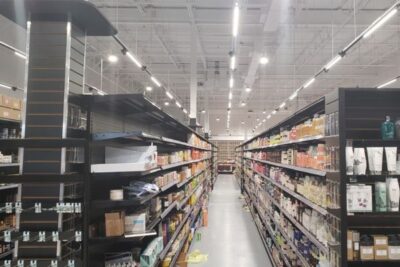
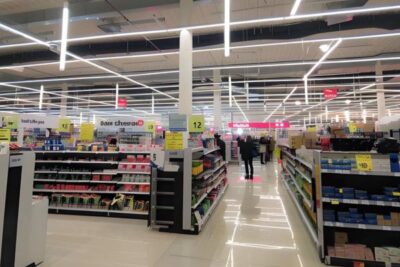
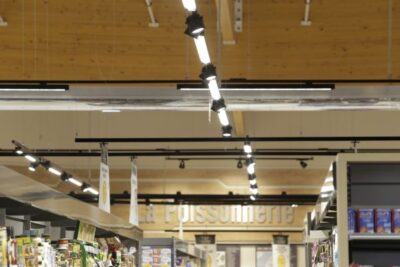
Linear architectural LED fixtures provide seamless, continuous illumination widely favored for aisle lighting and high-ceiling areas. Their sleek, modern design complements retail aesthetics while delivering shadow-free, uniform lighting that enhances the shopping environment. These fixtures simplify installation and reduce visual clutter, promoting a professional and inviting atmosphere.
Track Lighting for Displays and Promotions
Track lighting systems provide premium control over illumination direction and intensity, making them indispensable for promotional areas and product highlights. Their adaptability allows retailers to spotlight seasonal items, new arrivals, or limited-time offers with precision. Beyond functional benefits, these fixtures enrich the overall store ambiance and make merchandising more effective.
Integration of Smart and Energy-Efficient Lighting Controls
Supermarkets increasingly adopt smart lighting technologies that optimize energy consumption, streamline operations, and enhance customer experiences.
Dimming Controls
Automated dimming adjusts light levels based on occupancy or time of day, preventing unnecessary energy use during low-traffic periods or after hours while maintaining visual comfort.
Daylight Harvesting
Smart systems sense natural daylight and adjust artificial lighting accordingly, balancing illumination and further cutting energy costs.
IoT-Enabled Lighting Management
Internet-connected lighting provides real-time data monitoring on energy consumption and fixture health, enabling predictive maintenance to avoid downtime and reduce repair expenses.
Scheduling and Scene Automation
Lighting programs tailored to store hours, seasonal promotions, or special events enhance shopper engagement and marketing effectiveness with minimal manual intervention.
Choosing the Right Supermarket Lighting Supplier for B2B Projects
Successful supermarket lighting projects depend heavily on selecting a reliable supplier partner equipped to support large-scale commercial ventures.
Key considerations include:
- Demonstrated experience in retail and commercial lighting projects.
- Capability for OEM/ODM customizations to tailor fixtures to specific store designs and branding needs.
- Comprehensive marketing, installation, and after-sales support to ensure smooth deployment and ongoing performance.
- Proven success stories and case studies proving the supplier’s impact on customer experience enhancement and operational cost reduction.
Real-World Case Studies and Benefits from Lighting Optimization
Retailers who have implemented strategic lighting solutions report clear, measurable benefits:
- Uniform linear lighting has improved product clarity and contributed to higher customer satisfaction scores.
- Track lighting for promotions increased visibility and sales of featured goods by drawing shopper attention effectively.
- Conversion to LED systems significantly lowered energy bills and maintenance frequency, yielding a rapid return on investment.
Such results underscore the long-term value and competitive advantage offered by well-executed lighting strategies.
Conclusion: Driving Supermarket Success with LED and Smart Lighting
Deploying a comprehensive supermarket lighting strategy that aligns modern LED technology with zonal lighting design and smart controls is no longer optional but essential for retail success. Combining linear architectural lights for clean, consistent aisle illumination with flexible track lighting for dynamic merchandising optimizes sales and shopper satisfaction. Integrating smart systems furthers operational efficiency and cost savings. Selecting a capable supplier ensures access to cutting-edge products and expert support to realize these benefits fully. In sum, thoughtfully planned and expertly implemented supermarket lighting transforms retail environments—inviting customers, enhancing product appeal, and driving sustainable business growth.


 English
  French
  Arabic
  German
  Spanish
  Italian
  Portuguese
  Esperanto
  Greek
Greek  Finnish
Leave A Comment