

If you’ve ever wondered what a lighting control module is and why it’s so essential in modern lighting setups, you’re in the right place.
These compact yet powerful devices are the brains behind smart lighting systems, managing on/off control, dimming, and even automated responses from sensors or schedules. Whether you’re upgrading a home, optimizing an office, or designing an energy‑efficient building, the right lighting control module can transform both functionality and efficiency.
In this guide, I’ll break down exactly what a lighting control module does, how it works, the different types available, and how to choose one that fits your needs perfectly. Let’s get started.
Definition of a Lighting Control Module

A lighting control module is an essential component in a lighting control system that manages how lights are powered, dimmed, or switched on and off. Think of it as the “brain” that receives commands—either from a manual switch, a sensor, or a building automation system—and translates them into actions for your light fixtures.
In its simplest form, it’s a programmable device that controls one or more circuits of lighting. In more advanced systems, it can also work with smart lighting modules, wireless controls, and networked lighting panels to enable precision control across an entire home, office, or industrial space.
Core Functions and Purpose
A lighting control module serves as the control interface between the user (or automated triggers) and the light source. Its main functions usually include:
- Switching lights on or off remotely or automatically
- Dimming control for adjustable brightness and energy savings
- Scene control allowing pre-set lighting moods for different activities
- Integration with lighting automation devices such as motion sensors or timers
- Communication with building automation or smart home hubs for centralized control
In commercial or industrial environments, these modules can also link multiple control zones, improving energy efficiency and extending equipment lifespan.
How It Fits in a Lighting Control System
In a full lighting control solution, the lighting control module sits at the center of the operation. It acts as the middle layer between:
- User inputs (switches, dimmers, control panels, mobile apps)
- Automation triggers (occupancy sensors, daylight sensors, schedules)
- Output devices (LED fixtures, fluorescent lights, outdoor lighting)
This layered setup makes it possible to tailor lighting behavior to specific needs, optimize electricity usage, and provide seamless control whether you’re in a residential setting, managing a commercial office, or operating a large industrial facility.
When connected through wired or wireless lighting controls, these modules become part of a scalable and programmable lighting control system, adapting easily as requirements change.
How Lighting Control Modules Work
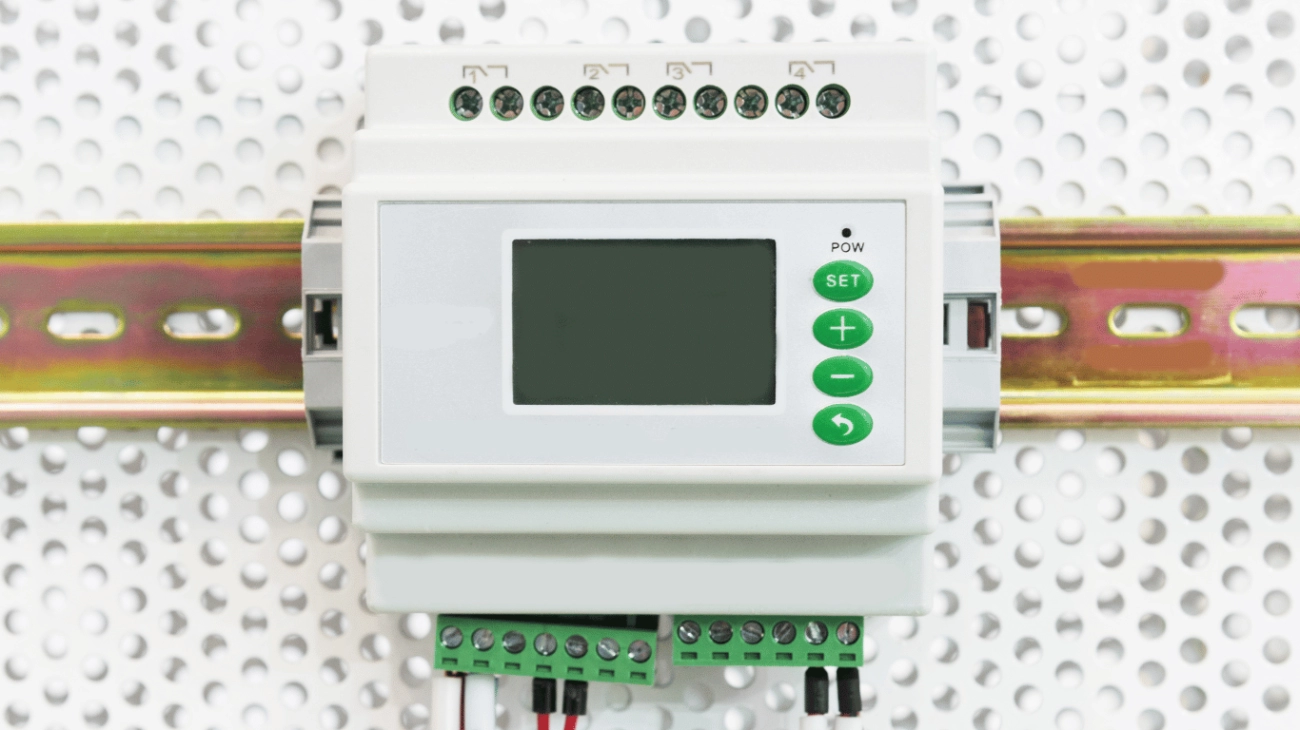
Basic Operation Principles
A lighting control module acts like the “brain” for your lights. It receives power, takes control instructions, and then sends the right output to the fixtures. At the most basic level, it’s switching lights on or off, dimming them, or triggering specific pre-set scenes. The module processes commands from connected devices or a central controller and adjusts the lighting accordingly, whether that means brightening up a room when someone walks in or dimming during certain times of day to save energy.
Communication with Other Devices
Lighting control modules rarely work alone—they connect and talk to other lighting control system components:
- Sensors: Motion or occupancy sensors can tell the module when someone is in the room, prompting lights to turn on automatically.
- Switches: Wall switches or keypads send manual commands for on/off or dimming.
- Dimmers: A dimming control module can adjust light levels instantly or gradually.
- Timers: Built-in or central timers automate operating schedules.
Some modules use wired connections (common in larger installations) for stability, while wireless lighting controls like Zigbee, Z-Wave, or Wi-Fi are popular in smart homes due to easy installation and flexibility.
Integration with Smart Home and Commercial Building Systems
Modern lighting control modules are often part of a bigger building lighting control solution. This means they can tie into:
- Smart home platforms like Google Home, Amazon Alexa, or Apple HomeKit for voice and app control.
- Commercial automation systems such as KNX, DALI, or BACnet for office, retail, and industrial environments.
- Security, HVAC, and energy monitoring systems for full smart building automation.
For example, in a retail lighting setup, lights can adjust based on time of day or foot traffic, much like what’s covered in our guide on lighting design for retail stores. This kind of integration helps lower operating costs and improve user comfort, whether in a single-family home or a multi-floor commercial property.
Types of Lighting Control Modules
Lighting control modules come in different designs to match specific needs, from small home setups to large commercial and industrial projects. Choosing the right type depends on how you want to control your lights, the size of your space, and whether you need smart automation.
Standalone vs Networked Lighting Modules
- Standalone modules work on their own and don’t require a central lighting control system. They’re great for small projects, single-room setups, or spaces where you don’t need complex automation.
- Networked modules connect to a larger lighting control panel or building automation system. These are common in offices, retail, hotels, and large homes, where multiple zones need centralized control and programming.
Wired vs Wireless Lighting Modules
- Wired modules use physical cables to connect to switches, dimmers, or control panels. They’re very reliable, have low signal interference, and work well in new construction or major renovations.
- Wireless modules use RF, Wi‑Fi, or Zigbee communication. They’re perfect for retrofits or spaces where running cables is difficult. Wireless options often pair well with smart lighting modules for app and voice control.
Residential, Commercial, and Industrial Applications
- Residential – Used for smart home systems, dimming control modules, and energy-efficient lighting setups. Can integrate with voice assistants like Alexa or Google Home.
- Commercial – Designed for office lighting, retail displays, and hospitality spaces. Often programmed for automatic daylight dimming, occupancy sensing, and scene control.
- Industrial – Built for warehouses, manufacturing plants, and large facilities. These modules are heavy‑duty, support high power ratings, and meet strict safety standards.
Here’s a quick comparison:
| Type | Best For | Pros | Considerations |
|---|---|---|---|
| Standalone | Small rooms, basic setups | Easy to install, low cost | Limited control features |
| Networked | Large homes, offices, hotels | Centralized control, automation-ready | Higher cost, needs system integration |
| Wired | New builds, stable connections | Reliable, no wireless interference | Requires cabling and planning |
| Wireless | Retrofits, flexible layouts | Easy install, smart home ready | May face signal range limits |
Key Features and Specifications of a Lighting Control Module
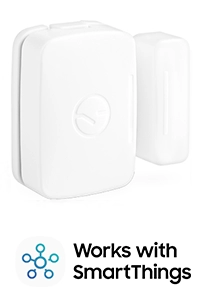
When choosing the right lighting control module, paying attention to its features and specifications ensures you get reliable performance, safety, and compatibility. Here’s what you should focus on:
Compatibility with Fixtures and Protocols
Not all lighting modules work with every type of light or control system. Always check:
- Fixture type support: LED, CFL, halogen, incandescent.
- Control protocols: Common options include 0-10V dimming, DALI, DMX, or Zigbee/Z-Wave for wireless systems.
- System integration: Make sure it works with your existing lighting control system components, like sensors, switches, or smart home hubs.
Control Methods Available
The way your lighting control module handles commands makes a huge difference in flexibility and energy savings. Look for:
- On/Off Control – Simple switching for basic needs.
- Dimming Control – Adjust brightness to reduce energy use and create different atmospheres.
- Scene Control – Pre-programmed lighting “scenes” for quick changes in mood or function.
- Time Scheduling – Automatic on/off based on set times.
Tip: If you’re using it in a smart building or home, check for app control or voice assistant support (Alexa, Google Home, etc.).
Power Ratings and Safety Standards
Power handling and safety certification are non‑negotiable when it comes to reliability and compliance.
| Specification | What to Check |
|---|---|
| Voltage Rating | Matches your system (typically 120V or 277V in the U.S.) |
| Load Capacity | Total wattage it can handle without overheating |
| Certifications | UL-listed, ETL-listed, or compliant with NEC standards |
| Overload Protection | Built-in safeguards against surges or electrical faults |
| Operating Temperature | Suitable for your environment (especially outdoors or in warehouses) |
Bottom line: A lighting control module is only as good as its match with your fixtures, its smart control flexibility, and its ability to operate safely under your actual load conditions.
Benefits of Using Lighting Control Modules
Lighting control modules do more than just switch lights on and off — they bring efficiency, control, and convenience into homes, offices, and industrial spaces. Here’s why they’re worth considering.
Energy Savings and Efficiency
Lighting is one of the biggest energy costs in most buildings. A lighting control module helps cut waste by:
- Dimming lights when full brightness isn’t needed
- Turning off lights in empty rooms using sensors
- Adjusting brightness based on daylight levels
- Integrating with energy-efficient LED systems for maximum savings
For U.S. homes and businesses, this can mean lower utility bills and an easier path to meet energy codes and green building standards.
Enhanced Control and Flexibility
These modules give more options than a standard light switch:
- Preset lighting scenes for different tasks
- Zoning to control areas independently
- Remote control via app or centralized lighting control panel
- Works with wired or wireless lighting controls for easy changes later
This makes it simple to adapt lighting for work, relaxation, presentations, or safety.
Improved User Experience and Convenience
A well-set-up lighting automation device feels seamless:
- Lights respond instantly to occupancy or time schedules
- No need to adjust each switch manually
- Can sync with other smart devices for one-touch control (shades, HVAC, security)
- Supports voice control through systems like Alexa, Google Assistant, or Apple HomeKit
It’s the kind of setup you quickly get used to — and don’t want to give up.
Contribution to Smart Building Automation
Lighting control modules are a core part of smart building systems in both residential and commercial projects:
- Integrate with building management systems (BMS) for centralized control
- Enable data tracking for usage patterns and maintenance needs
- Support demand response programs to reduce strain on the power grid
- Improve comfort, safety, and energy compliance across the property
Typical Applications of Lighting Control Modules
Lighting control modules are used in many different environments to improve energy efficiency, convenience, and automation. Here’s where you’ll typically find them in use:
Residential Smart Lighting
In homes, smart lighting modules give you full control over brightness, schedules, and mood settings. They can connect to voice assistants, mobile apps, or wall switches for simple operation. Common uses include:
- Scheduled lighting for mornings, evenings, or vacations for security
- Dimming control for living rooms, bedrooms, and home theaters
- Scene settings for dining, reading, or entertaining
- Outdoor safety lighting that turns on at dusk automatically
Commercial Office Lighting
In offices, building lighting control solutions help reduce energy costs and meet workplace comfort standards. They often tie into occupancy sensors or central management systems. Popular uses include:
- Automatic shut-off in empty meeting rooms
- Daylight harvesting, adjusting light levels based on available sunlight
- Zoned lighting control for open work areas and private offices
- Integration with building automation systems for centralized control
Industrial and Warehouse Settings
For larger facilities, industrial lighting control devices are designed for durability and efficiency. They handle higher power loads and provide control in challenging conditions. Common uses include:
- Motion-activated lighting for storage aisles and loading docks
- Scheduled illumination to cover shifts without wasting power
- Task lighting control for specific workstations
- Energy monitoring to track and optimize usage across the site
Outdoor and Landscape Lighting
Lighting control modules also play a big role in outdoor and landscape lighting automation. Applications include:
- Pathway and security lighting that turns on with sensors or timers
- Landscape accent lighting for gardens, signage, and architectural features
- Seasonal lighting setups like holiday decorations
- Remote control for hard-to-reach fixtures
These applications allow wired and wireless lighting controls to adapt to different environments, whether it’s a single-family home, a busy downtown office, or a large industrial complex.
Installation Basics for Lighting Control Modules

Installing a lighting control module can range from a simple plug-and-play swap to a more involved electrical project, depending on the type of system and where it’s being used. Whether you’re setting up for a home, office, or warehouse, the approach changes based on wiring, load requirements, and control features.
Common Installation Scenarios
Here are the most common ways lighting control modules are installed in the U.S.:
- In-wall or ceiling-mounted – Used to replace a standard light switch or dimmer, ideal for upgrading to smart or automated lighting.
- Panel-based installation – Common in commercial settings, the module is installed in the lighting control panel to manage multiple circuits.
- Plug-in module installation – A quick solution for lamps or small fixtures, often part of wireless lighting controls.
- Outdoor and landscape setups – Enclosed weatherproof modules that handle moisture and temperature changes.
Professional vs DIY Considerations
Not every installation is a weekend project. Here’s a quick guide:
- DIY friendly – Plug-in smart lighting modules, wireless add-ons that don’t require rewiring, and battery-powered controllers.
- Professional recommended – Hardwired modules, systems tied into commercial building lighting control solutions, or anything involving high-voltage connections for safety and code compliance.
- Local code compliance – Always check regional electrical codes (like NEC in the U.S.) before starting.
Tip: In many states, certain building lighting control projects legally require a licensed electrician.
Tips for Safe and Effective Installation
To get the best performance and avoid costly mistakes, follow these essentials:
- Turn off the power at the breaker before handling any wiring.
- Read the manufacturer’s guide for wiring diagrams and compatible loads.
- Verify compatibility with your fixtures, dimming method, and control protocol (e.g., 0-10V, DALI, Zigbee, Z-Wave).
- Allow ventilation space for heat dissipation, especially with dimming control modules.
- Test the system before finalizing installation to ensure all scenes and functions work as intended.
- Use proper tools like a voltage tester, wire strippers, and a proper junction box for safety.
How Prillumen Light Supports Your Lighting Control Needs
Prillumen Light Lighting Control Module Solutions
Prillumen Light offers a wide range of lighting control modules designed for both residential and commercial projects in the U.S. The lineup includes dimming control modules, wireless lighting controls, and programmable lighting modules, all built to integrate easily with popular lighting control system components. Whether you need a standalone device for a single room or a networked module for a large building, Prillumen Light has an option that fits.
What Sets Prillumen Light Apart
Prillumen Light focuses on quality, innovation, and local support, giving customers the reliability they expect along with modern features:
- High-quality builds for long-term performance in U.S. conditions.
- Innovative designs that work with the latest smart lighting and building lighting control solutions.
- Local customer service and technical support, making it easier to troubleshoot or customize to your needs.
- Energy-efficient lighting control features to meet U.S. energy standards and help lower power costs.
Choosing the Right Lighting Control Module
Selecting the best module for your project comes down to a few key factors:
- Type of application – Decide if it’s for a home, office, industrial site, or outdoor environment.
- Control method – Choose between wired, wireless, or hybrid setups depending on the building layout.
- Compatibility – Ensure the module supports your existing fixtures, switches, and protocols.
- Features needed – Look for dimming, scene control, scheduling, or smart automation features.
- Power ratings – Match the electrical load requirements to avoid performance or safety issues.
Prillumen Light makes it easy to match the right lighting automation device to your project, whether you’re upgrading an existing lighting control panel or building from scratch. Their local expertise ensures your installation meets both performance expectations and compliance requirements.





 English
  French
  Arabic
  German
  Spanish
  Italian
  Portuguese
  Esperanto
  Greek
Greek  Finnish


Leave A Comment