

If you’ve been exploring stylish and functional lighting options, chances are you’ve come across track light in false ceiling setups—and for good reason. Combining modern track lighting with a sleek false ceiling isn’t just about looks; it transforms your space with flexible illumination and a clean, contemporary vibe. Whether you’re a homeowner updating your living room, an interior designer crafting the perfect ambiance, or a DIY enthusiast eager to tackle your next project, understanding how to seamlessly integrate track lights into false ceilings is crucial.
In this guide, you’ll get clear, practical insights on why track lights and false ceilings make such a perfect pair, how to plan and install them safely, plus design inspirations that will elevate any room. Ready to brighten things up with smart lighting? Let’s dive into everything you need to know about track light in false ceiling installations.
False Ceilings and Track Light in False Ceiling
What is a False Ceiling Types and Materials
A false ceiling, also known as a dropped or suspended ceiling, is an additional ceiling layer installed below the main structural ceiling. It serves many purposes, including hiding ductwork, wiring, or uneven surfaces, while adding architectural interest. False ceilings come in various types based on materials and design:
- Gypsum Board Ceilings: Lightweight and smooth, great for a clean finish.
- PVC Panels: Moisture-resistant and ideal for kitchens and bathrooms.
- Metal Panels: Durable and often used in commercial spaces.
- Wooden or Veneer Ceilings: Add warmth and texture for a classic look.
- Plaster of Paris: Versatile and easily molded for decorative shapes.
Each material offers different benefits and levels of support important when considering lighting options like track light fixtures for suspended ceilings.
Overview of Track Lighting Types Components and Styles
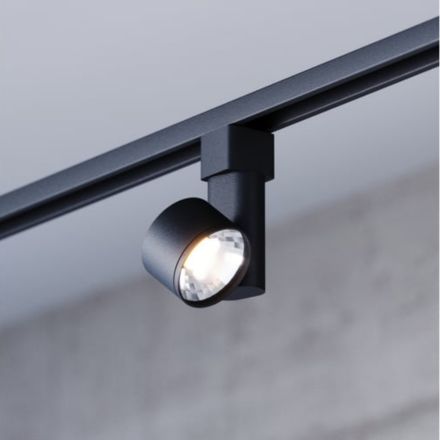
Track light systems are a flexible lighting solution widely used in modern interiors, especially in false ceilings. They consist of the following main parts:
- Track Rails: The base that holds and powers the lights.
- Track Heads or Fixtures: Adjustable light units mounted on the rails.
- Connectors and Mounting Brackets: Secure the track to the ceiling and allow for configuration changes.
Track lighting styles include:
- Monopoint Track: One light fixture per track segment.
- Multipoint or Flexible Track: Multiple heads on a continuous rail.
- Low Voltage or Line Voltage Options: Depending on the power supply and energy needs.
- Spotlights, Floodlights, and LED Track Lights: Vary in beam angles to suit task, accent, or ambient lighting.
Choosing the right components depends on your ceiling type, room size, and design goals.
Why Combine Track Light with False Ceiling Aesthetic and Functional Benefits
Integrating track light in false ceiling structures offers both visual appeal and practical advantages:
- Aesthetic Benefits
- Creates clean, sleek ceiling lines without bulky fixtures.
- Provides a modern, minimalist look that complements contemporary interiors.
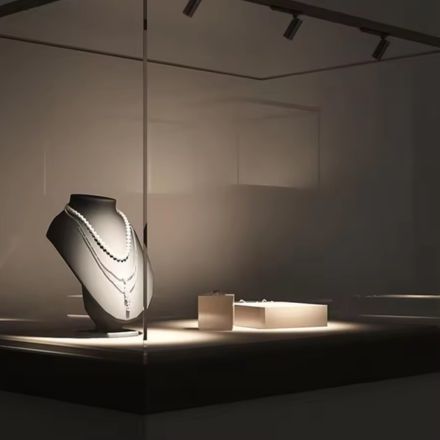
- Allows for spotlighting architectural features, artwork, or decorative elements.
- Functional Benefits
- Offers excellent lighting control with adjustable heads for directing light where needed.
- Enhances flexibility in lighting design, accommodating future changes or room repurposing.
- Keeps wiring concealed, maintaining a neat appearance and reducing clutter.
Combining track lighting with false ceilings is one of the smartest design moves for those who want a stylish, functional, and customizable lighting setup in kitchens, living rooms, galleries, and offices alike. The synergy between these two elements maximizes space utility and elevates overall room ambiance.
Benefits of Installing Track Lights in False Ceilings
Installing track lights in false ceilings offers several practical and aesthetic advantages that make this combination a smart choice for many US homeowners and businesses.
Enhanced Lighting Control and Flexibility
One of the biggest perks of using track lighting in a false ceiling is lighting control. Track systems let you:
- Adjust light direction easily to highlight artwork, countertops, or architectural features.
- Add or remove fixtures along the track without major rewiring, adapting to changing lighting needs.
- Create zones to spotlight specific areas or provide broader ambient lighting.
This level of flexibility simply isn’t possible with fixed ceiling fixtures, making it perfect for dynamic spaces like kitchens, offices, or galleries.
Improved Aesthetics and Modern Look
False ceilings paired with track lights create a sleek and contemporary appearance. The clean lines of the false ceiling give the room a smooth, uncluttered look, while the track lights add a modern touch that fits both residential and commercial interiors.
- Tracks installed flush or recessed into the ceiling panels blend seamlessly, avoiding bulky fixtures.
- The variety of track light styles—from minimalist to bold—allows you to customize the visual appeal.
- This combination enhances overall design cohesion, elevating the space’s sophistication.
Energy Efficiency and Cost Considerations
Many track lighting options, especially LED track lights for drop ceilings, are highly energy-efficient. This translates into:
- Lower electricity bills due to reduced power consumption compared to traditional bulbs.
- Longer-lasting light sources, decreasing the frequency of replacements and maintenance costs.
- The ability to use dimmers or smart lighting controls for further energy savings.
Investing in an LED track lighting system can reduce ongoing expenses while providing excellent lighting quality.
Space-Saving and Clean Ceiling Lines
False ceilings naturally create a space to integrate lighting without interrupting the room’s flow. Installing track lights here means:
- No need for hanging fixtures that take up vertical space—important in rooms with lower ceilings.
- Concealed wiring and hardware, keeping the ceiling tidy and easy to clean.
- A clutter-free look that enhances the sense of openness and order in both small and large rooms.
This is particularly helpful in urban US homes and offices where every inch of space counts.
By combining track lighting with false ceilings, you gain versatile, stylish, and efficient lighting that suits a wide range of US homes and commercial spaces, improving both function and design.
Planning Your Track Light Installation in a False Ceiling
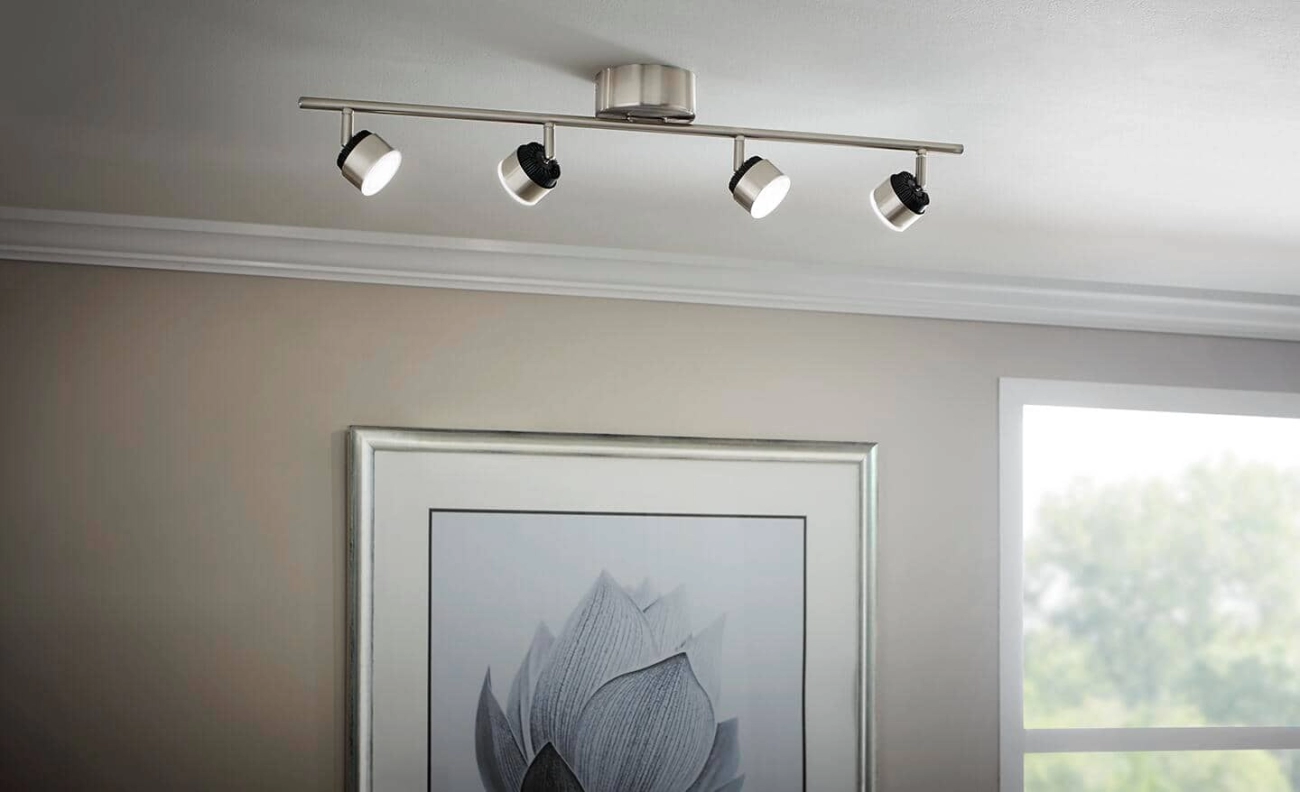
Installing track lights in a false ceiling takes some careful planning to get the look and function just right. Here’s what you need to keep in mind before starting your track lighting installation in false ceiling.
Assess Your False Ceiling Structure for Lighting Support
First, check what type of false ceiling you have—whether it’s gypsum board, PVC, or a suspended grid system. Not all false ceilings can support heavy fixtures or complicated wiring without reinforcement. Look for:
- Thickness and material strength
- Availability of joists or support beams above the ceiling
- Space above the panels for wiring and fixture housing
If your ceiling is fragile, you might need to add extra support brackets before mounting your track.
Choose the Right Track Lighting System for Your Ceiling and Room Size
Different ceilings and room sizes call for different types of track lighting systems. Consider:
- Single-phase or three-phase track systems depending on the number of lights and circuit needs
- Track length: Longer tracks for big rooms vs. shorter tracks for small spaces
- Track profile: Low-profile tracks work better for lower false ceilings to preserve headroom
- LED track lights are ideal for false ceilings due to their low heat and energy efficiency
Determine the Lighting Layout With Focal Points, Zones, and Spacing
Good track lighting layout means knowing where light is needed most. Plan your layout around:
- Focal points like artwork, kitchen counters, or seating areas where bright, direct light helps
- Dividing the room into lighting zones for flexible control
- Even spacing of track heads to avoid dark spots or overly bright areas
- Avoid clustering lights too close to prevent glare or shadows
Sketch your ceiling plan and mark track positions that align with your room’s key activity zones.
Electrical Considerations and Safety Standards
Before wiring, confirm your home’s electrical capacity and check local codes. Keep in mind:
- Use UL-listed track lighting products for safety
- Track lighting circuits should have proper breakers and grounding
- Run wiring through approved conduits to protect cables inside the false ceiling
- If unsure about wiring or electrical load, hire a licensed electrician to ensure safety and compliance with local electrical standards
Planning well upfront avoids costly fixes later and ensures your track light fixtures for suspended ceilings perform safely and efficiently.
Taking the time to assess your ceiling, select the right system, plan your layout, and address electrical needs will help your track lighting system shine in both performance and style.
Step by Step Track Light Installation in False Ceiling
Installing track lights in a false ceiling can seem tricky, but with the right tools and approach, it’s straightforward. Here’s a clear guide that walks you through the process, from prepping to testing your new lighting.
Prepare Tools and Materials
Before starting, gather everything you need to avoid interruptions:
- Track lighting kit (tracks, heads, connectors)
- False ceiling panels (if replacement or adjustments are needed)
- Measuring tape and pencil
- Drill with appropriate bits
- Screwdriver set
- Wire stripper and electrical tape
- Voltage tester
- Ladder or step stool for ceiling access
- Safety glasses and gloves
Having these ready helps with smooth track lighting installation in false ceiling panels.
Mark and Measure Track Positions
- Use your measuring tape to plan the layout, keeping in mind focal points and zones where lighting is most needed.
- Mark track positions lightly on the ceiling panels. This step is key to balanced lighting and helps avoid mistakes.
- Double-check measurements to ensure tracks align well with room layout and ceiling structure.
Secure Mounting Brackets or Tracks
- Carefully fix the mounting brackets or tracks on the false ceiling frame or joists. Avoid drilling directly into the panels without proper support to prevent damage or sagging.
- Use anchors or toggle bolts if you’re attaching to drywall or weaker support materials.
- Make sure tracks are firmly attached and level.
Wiring and Connecting the Track Light System
- Turn off power at the breaker before handling any wiring.
- Use a voltage tester to confirm the power is off.
- Connect your track wiring according to the manufacturer’s instructions. This usually involves attaching the supply wires to the track’s feed connector.
- Ensure all connections are tight and insulated properly to prevent loose contacts or shorts.
- Follow electrical codes and safety standards to avoid hazards.
Install Track Heads and Test Lighting Functions
- Once wiring is done, attach the track heads to the tracks. These are the adjustable lamps that shine where you need them.
- Position track heads to focus light on your planned zones—like kitchen counters, workspaces, or artwork.
- Switch the power back on and test all lights.
- Check for flickering or dim spots which might indicate wiring issues.
Tips for Troubleshooting Common Installation Problems
- Track not powering on: Double-check wiring connections and breaker.
- Flickering lights: Ensure track heads are securely clicked into place; inspect wiring for loose connections.
- Ceiling damage or sagging: Make sure mounting brackets are attached to ceiling joists or strong supports, not just panels.
- Uneven lighting: Adjust track head positions or add more track sections to cover dark spots.
With the right prep and attention to detail, your track lighting in false ceiling setup will deliver both a clean look and functional lighting that enhances your space.
Track Light Design Ideas for False Ceilings
When it comes to track light in false ceiling setups, the design possibilities are both practical and stylish. Track lighting offers flexible solutions for enhancing any space with the right mix of accent, task, and ambient lighting—all integrated neatly within your false ceiling.
Using Track Lights for Different Lighting Needs
- Accent lighting: Use track lights to highlight artwork, architectural features, or display areas. The adjustable heads let you direct light exactly where you want, creating depth and focus.
- Task lighting: Perfect for kitchens, home offices, or workspaces where bright, focused light is essential. Track lights can be aimed directly at counters, desks, or reading areas.
- Ambient lighting: When multiple fixtures run along a track in your false ceiling, they provide broad, even illumination that sets the room’s overall mood.
Creative Layouts for Track Lighting in False Ceilings
Track lighting layouts can be tailored to match your room’s shape and function:
- Straight runs: Clean and simple, they work great in long hallways, kitchens, or offices.
- L-shaped or corner tracks: Ideal for angles or rooms with unusual layouts, maximizing coverage without multiple fixtures.
- Continuous runs: Connect several tracks for a sleek, uninterrupted lighting line—perfect for galleries or large living spaces.
Best Rooms for Track Light in False Ceiling
Track lighting shines in various settings, especially when installed in a false ceiling for a modern, flush look:
- Kitchens: Focus lights on islands, counters, and cooking areas for safety and style.
- Living rooms: Use track lights to highlight seating areas or decorative elements without cluttering ceiling space.
- Offices: Adjustable lighting supports productivity and reduces eye strain.
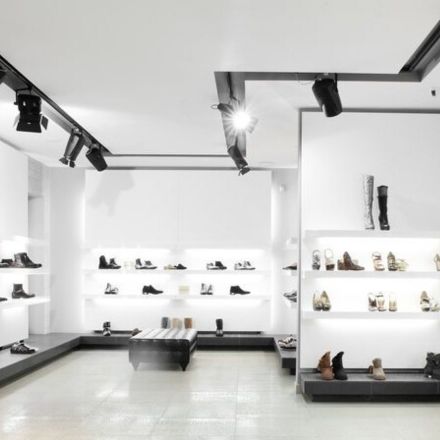
- Galleries and display rooms: Showcase art or products with precision lighting.
Layering Track Lighting with Other Fixtures
For a well-rounded light plan, combine track lights with other lighting types:
- Recessed or downlights: Provide ambient general lighting alongside accent-focused tracks.
- Pendant lights: Add style and extra lighting over dining or work areas.
- Wall sconces: Balance the light temperature and add depth.
This layered approach helps avoid shadows and creates a comfortable, visually interesting environment. For more details on combining lighting types effectively, check out this useful guide on linear lighting vs track lighting.
In all, track light in false ceiling designs offers versatility and style exactly tuned to how you use a space. Whether it’s a bold statement or subtle enhancement, the right layout and lighting mix will transform your room into something truly functional and inviting.
Maintenance Tips for Track Light in False Ceiling
Keeping your track light in false ceiling system in top shape takes just a little care. Regular maintenance ensures your lighting stays bright and your ceiling remains damage-free. Here’s how to handle cleaning, bulb replacement, and preventive upkeep without risking your false ceiling.
Cleaning Track Lights in False Ceilings
Cleaning track lighting fixtures is straightforward but requires gentle handling to avoid damaging the ceiling panels:
- Turn off the power before cleaning to avoid electric shock.
- Use a soft, dry microfiber cloth to wipe dust and dirt from the track heads and rails.
- For stubborn grime, slightly dampen the cloth with water or a mild, non-abrasive cleaner—never spray liquids directly on the lights or ceiling.
- Avoid heavy scrubbing, which could loosen or damage the false ceiling panels or track mounts.
- Check the ceiling for any signs of moisture or damage near the light fixtures during cleaning.
Replacing Bulbs and Track Heads
When bulbs or track heads need replacing, it’s important to handle the process carefully to preserve your false ceiling:
- Use LED bulbs designed for track lighting—they last longer and run cooler, reducing heat stress on ceiling materials.
- Carefully detach track heads by following the manufacturer’s instructions to avoid bending the rails or hurting the ceiling layout.
- Check that replacement bulbs match the wattage and size recommended for your system.
- Always switch off circuit power before handling electrical components.
- Test the lighting after installation to confirm everything works properly without flickering or loose connections.
Preventive Maintenance for Electrical Safety and Performance
Maintaining your track light wiring and connections inside the false ceiling is key to safety and optimal lighting:
- Schedule periodic checks for loose connections or frayed wires, especially in older installations.
- Inspect mounting points and brackets regularly to make sure they stay secure and haven’t loosened over time.
- If you notice dimming, flickering, or unusual noises, consider having a professional electrician inspect the system.
- Keep the area around your false ceiling track lighting free of dust and debris to minimize fire hazards and maintain airflow.
- Use energy-efficient LED track lights for drop ceiling setups to reduce heat output and extend component life.
By following these simple maintenance steps, your track lighting in false ceilings will look great and function safely for years to come. Regular care means you won’t have to worry about damage or sagging panels down the road.
Choosing the Right Track Light in False Ceiling from Prillumen Light
When you’re ready to pick track lighting for your false ceiling, Prillumen Light offers a solid product range built specifically for this setup. Their fixtures are designed with track lighting installation in false ceilings in mind, ensuring compatibility with common false ceiling materials and structures used in U.S. homes.
Prillumen Light Product Range for False Ceiling Track Lighting
Prillumen Light’s selection includes LED track lights for drop ceilings, various track lengths, and customizable heads to fit your room size and lighting needs. Whether you want track light fixtures for suspended ceilings or low-profile designs that blend seamlessly into your ceiling panels, their lineup has you covered.
Benefits of Choosing Prillumen Light for False Ceiling Applications
- Energy Efficiency: Their LED options use less power but deliver bright, consistent light, saving on electricity bills.
- Sleek Design: Modern, minimalistic styles complement today’s home interiors, enhancing your false ceiling’s look.
- Reliable Warranty: Prillumen Light backs their products with a robust warranty, giving peace of mind against defects or failures.
- Durability: These fixtures are built to maintain performance over time, even in the flush and often compact spaces of false ceilings.
- Flexibility: Adjustable track heads and modular tracks help create the right lighting zones and accents, perfect for kitchens, living rooms, and offices.
How to Buy and Get Support Locally
Prillumen Light is available through several professional ceiling light installation services and lighting retailers across the United States. You can:
- Visit their official website to locate authorized dealers near you.
- Contact their customer service for advice on picking the best track light system for your false ceiling.
- Find locally stocked products at lighting showrooms or home improvement stores that partner with Prillumen.
By choosing Prillumen Light, you’re investing in a modern lighting solution for false ceilings that balances style, efficiency, and ease of installation—ideal for U.S. homeowners looking to brighten their space smartly and reliably.
FAQs About Track Light in False Ceiling
When it comes to track light in false ceiling setups, people often have several common questions. Let’s clear them up with straightforward answers based on real needs and practical info.
Can I Install Track Lights on Any Type of False Ceiling
Not every false ceiling is perfect for track light installation, but most standard types like gypsum board, drywall, or PVC panels can support it with the right mounting system. The key is ensuring your false ceiling has enough structural support to handle the weight of track fixtures and avoid sagging. Suspended or drop ceilings with lightweight tiles may need reinforcement or special track mounting kits designed for suspended ceilings.
How Much Does a Typical Track Light Installation Cost
Costs vary depending on the false ceiling type, track lighting brand, number of fixtures, and professional labor fees. On average in the US:
- Basic DIY kits with track and a few heads: $100 to $300
- Professional installation including wiring and ceiling modification: $300 to $700 or more
- Custom or large setups in commercial spaces can cost higher.
You’ll save costs by planning your layout carefully and choosing energy-efficient LED track lights upfront.
Is It Possible to DIY or Should I Hire a Professional
If you’re comfortable with basic electrical work and your false ceiling is easy to access, DIY installation is doable. Many track lighting systems come with clear instructions and simple wiring connectors.
However, if you’re unsure about electrical safety, ceiling integrity, or local codes, hiring a licensed electrician or professional ceiling light installer is the safest bet. This avoids risks like improper wiring, code violations, or damage to your false ceiling.
Do Track Lights Cause Damage or Sagging in False Ceilings
When installed correctly, track lights should not damage or sag a false ceiling. But this depends on:
- Using proper mounting brackets or track systems suited for your ceiling type
- Ensuring the false ceiling material and frame can support the light fixtures’ weight
- Avoiding overloading one area with too many heavy fixtures
Poor installation or ignoring these factors can lead to sagging tiles, cracks, or damage over time.
Are LED Track Lights Suitable for False Ceilings
Yes, LED track lights are an excellent choice for false ceilings. They offer many benefits:
- Low heat output reduces risk of ceiling damage
- Energy-efficient, cutting your electricity costs
- Compact designs fit well into tight false ceiling spaces
- Long lifespan means less maintenance and bulb replacements
LED track lights work well in kitchens, offices, living rooms, and galleries with false or drop ceilings.
With these FAQs, you should feel more confident about track lighting installation in false ceilings. Whether upgrading home lighting or planning a commercial space, understanding these basics helps you make smart choices without surprises.













 English
  French
  Arabic
  German
  Spanish
  Italian
  Portuguese
  Esperanto
  Greek
Greek  Finnish

Leave A Comment