
Looking to transform your space with lighting that’s as flexible as your vision?
You’re in the right place. Modul lighting—or as some call it, modul light—is changing the way we design and illuminate homes, offices, and commercial spaces.
It’s all about customizable, energy-efficient lighting modules that let you create the perfect setup—whether you want sleek linear lines, bold geometric patterns, or smart-controlled ambiance.
In this guide, we’ll break down what modular lighting is, why it’s taking over modern design, and how Prillumen Light can help you bring it to life.
What is Modul Lighting
Definition of Modul Lighting Systems
Modul lighting refers to a flexible, customizable lighting solution made up of interchangeable components. Instead of being a fixed and single-unit fixture like traditional lights, a modular lighting system is designed as a set of separate yet compatible modules that can be arranged, expanded, or replaced with ease. This allows designers, architects, and homeowners to create lighting layouts tailored to the unique size, style, and function of any space.
Unlike conventional lighting, where changing the layout often means replacing the entire fixture, modular lighting can be reconfigured without major renovations. This flexibility makes it a preferred choice for both residential and commercial projects in the U.S., where scalability and design versatility are highly valued.
Components of a Modul Lighting System
A high-quality modular lighting setup typically consists of:
- Lighting Modules – The core units that emit light, often using LED technology for energy-efficient performance. Modules can vary in shape, size, and beam angles to suit different purposes.
- Connectors and Tracks – Mechanical and electrical links that join the modules together. These enable seamless electrical flow and design continuity.
- Control Units – Integrated or external systems used to adjust brightness, color temperature, or special effects. Modern options include smart lighting controls that work with apps or voice assistants.
- Mounting and Housing – Hardware that supports the modules and allows installation on ceilings, walls, or suspended systems.
How Modul Lighting Differs from Traditional Lighting
The biggest difference between modular lighting fixtures and conventional lighting is adaptability. Traditional lights are typically static, requiring full replacement or rewiring for major changes. Modul lighting systems, on the other hand:
- Allow easy reconfiguration without complex electrical work
- Support various design arrangements from a single system
- Offer energy-efficient LED modules instead of older, high-energy bulbs
- Integrate seamlessly with architectural lighting designs for a clean, modern look
- Can be expanded or scaled down as the space or needs change
In short, modular lighting provides a dynamic, cost-effective way to keep lighting aligned with evolving spaces and styles—something fixed fixtures simply can’t match.
Benefits of Modul Lighting Systems


Customizability and Flexible Design
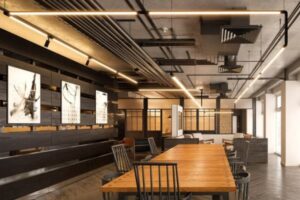
With modular lighting systems, you’re not locked into one layout or style. Each light module can be arranged, swapped, or expanded to fit the exact feel of your space. Whether you’re setting up a minimalist home office, a creative retail display, or a modern open-plan workspace, the system adapts. You can change layouts seasonally, reorient fixtures for specific tasks, or mix linear lights, panel modules, and spotlights in the same network without ripping out the setup.
Energy Efficiency and Sustainability
Most modular lighting uses LED technology, which drastically cuts energy use compared to traditional bulbs. Lower wattage means reduced electricity bills — a benefit that’s noticeable in both homes and commercial buildings. LEDs also last thousands of hours longer, cutting down on waste and replacement costs. Many systems are smart-control ready, so lights dim or switch off automatically when not needed, saving even more power.
Easy Installation and Maintenance
Thanks to simple connectors and pre-wired modules, installing a modular light is more about snapping pieces together than dealing with complex wiring runs. If one module stops working, it can be replaced without touching the rest of the system. This reduces downtime for commercial spaces and eliminates costly service calls for smaller jobs.
Scalable for Any Space
Modular lighting grows with you.
- Small Spaces – Start with one or two modules.
- Expanding Needs – Add more without redoing the setup.
- Large Projects – Combine multiple module types for zoned lighting.
A retail store could begin with a compact track light system and later expand across an entire showroom, while a homeowner can extend kitchen task lighting into a new dining space later.
Enhanced Aesthetics and Architectural Integration
Because modules come in multiple styles, shapes, and finishes, they don’t just provide light — they become part of the design language of a room. Flush-mount panels create clean, modern ceilings, while suspended linear lights give an industrial or luxury edge. In high-end spaces, modular lights can be recessed seamlessly into ceilings, walls, or even furniture for a built-in look that works hand-in-hand with the architecture.
| Benefit | Impact | Example in Use |
|---|---|---|
| Customizable layout | Matches changing needs or seasons | Retail display lighting updates |
| Energy efficient | Cuts electricity usage and bills | Smart LED dimming in office |
| Easy to install | Less labor time, fewer tools needed | Quick ceiling track setup |
| Scalable | Grows with your project | Adding lights in kitchen remodel |
| Aesthetic options | Improves room design | Recessed lighting in modern homes |
Types of Modul Lighting Solutions
Modular lighting isn’t a one-size-fits-all setup. Different spaces and needs call for different systems. Here’s a breakdown of the main modular lighting solutions you’ll see in the market and in Prillumen Light’s portfolio.
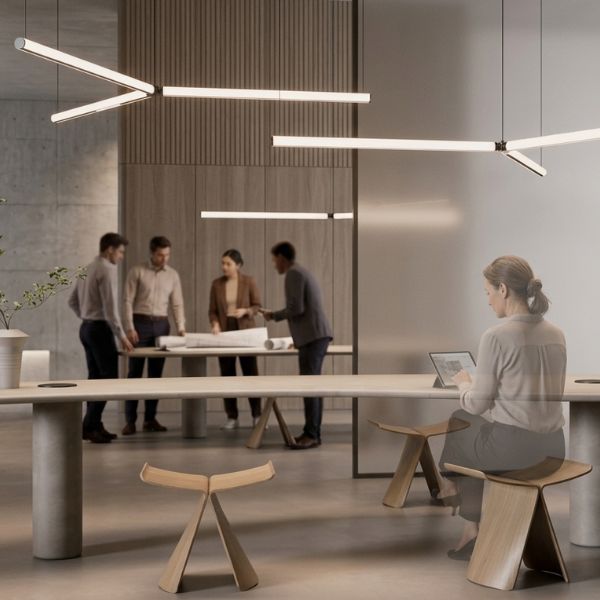
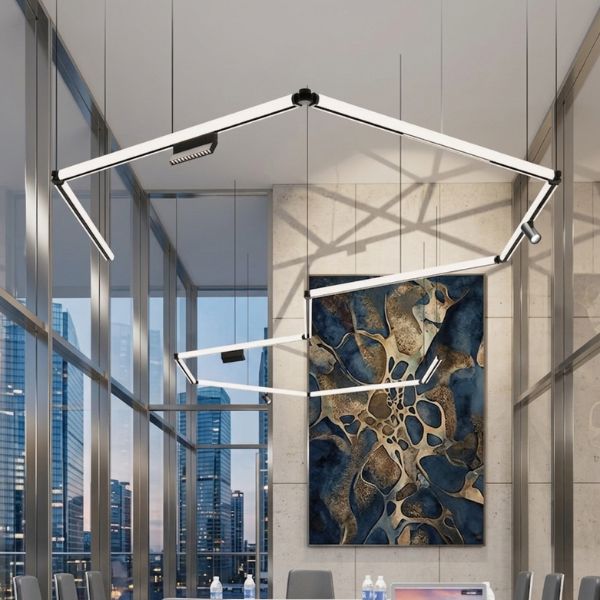
Linear Modul Lights
These are long, slim fixtures that can be linked end-to-end or arranged in creative patterns.
- Best for: Offices, retail aisles, hallways, and modern residential spaces.
- Perks: Clean, continuous lines of light; easy to expand; blends well with minimal interiors.
- Prillumen Option: Precision-engineered aluminum housing with high-efficiency LED strips for consistent brightness.
Modular Light Panels
Flat panel modules offer wide, even light spread with a sleek look.
- Best for: Open-plan offices, classrooms, kitchens, and low-ceiling areas.
- Perks: Glare control, energy savings, and easy ceiling integration.
- Prillumen Option: Custom shapes and sizes, including tunable white for adjustable ambience.
Track Modular Systems
Track systems let you move and re-aim lights as needed without rewiring.
- Best for: Retail displays, art galleries, hospitality venues.
- Perks: Extreme flexibility, mix of spotlights and pendants on one track, adaptable to seasonal or layout changes.
- Prillumen Option: Magnetic track designs for quick fixture swaps and tool-free installation.
Smart Lighting Modules
IoT-enabled modules connect to apps, smart home hubs, or building control systems.
- Best for: Home automation setups, commercial smart buildings, energy-conscious environments.
- Perks: Remote control, scheduling, scene settings, and energy tracking.
- Prillumen Option: Bluetooth and Wi-Fi models with app control, voice assistant compatibility, and sensor integration.
Examples from Prillumen Light
Prillumen Light’s modul light range combines sleek design with high performance. Some standout solutions include:
- Prillumen Linea – a modular linear light with continuous illumination and customizable length.
- Prillumen PanelFlex – LED panel modules with tunable color temperature for both work and relaxation.
- Prillumen TrackMag – magnetic track system with quick-connect LED heads.
- Prillumen SmartEdge – IoT-ready modules for app-based lighting control in homes or offices.
Applications of Modul Lighting
Modul lighting systems adapt to almost any space. They’re built for flexibility, style, and performance—making them a smart choice for both homes and commercial environments. Here’s where they really shine in the US market:
Residential Spaces
In homes, modular lighting works well in living rooms, kitchens, and home offices where lighting needs can change throughout the day.
- Living rooms: Adjustable modules let you shift from bright task lighting to soft ambient light for movie nights.
- Kitchens: Linear modular lights create consistent, shadow-free illumination over counters and islands.
- Home offices: Smart modular lighting makes it easy to boost light levels for work or lower them for video calls.
Commercial and Office Buildings
Workplaces need lighting that supports productivity and comfort. Modular lighting lets companies:
- Reconfigure light layouts when office spaces change.
- Use smart lighting modules to reduce energy costs by dimming or switching off unused areas.
- Improve visual comfort with a combination of direct and indirect light.
Retail and Hospitality Environments
Shops, hotels, and restaurants use modular lighting to draw attention and set a mood:
- Retail: Track modular systems highlight merchandise with precise beam control.
- Hospitality: Warm, dimmable LED panels create an inviting atmosphere while cutting energy use.
- Flexibility allows seasonal or promotional re-lighting without rewiring.
Interested in how modular track systems work? Check out modular lighting system benefits.
Outdoor and Landscape Modular Lighting
Outdoor modular systems are built for durability and impact:
- Illuminate pathways, gardens, or facades with weatherproof modules.
- Add architectural accents that make a property stand out at night.
- Easy to swap out or expand over time for evolving landscaping needs.
Real World Examples with Prillumen Light
- Modern home installation: A mix of modular linear lights in the kitchen and smart dimmable panels in the living room for tailored ambiance.
- Retail rollout: National clothing brand used Prillumen’s modular track systems to redesign store lighting without major electrical work.
- Hotel upgrade: Added programmable modular lighting in lobbies and outdoor patios to create distinct day and night experiences.
This adaptability—paired with energy efficiency, design flexibility, and easy upgrades—is why modular lighting is quickly replacing fixed lighting setups across industries.
How to Choose the Right Modular Lighting System
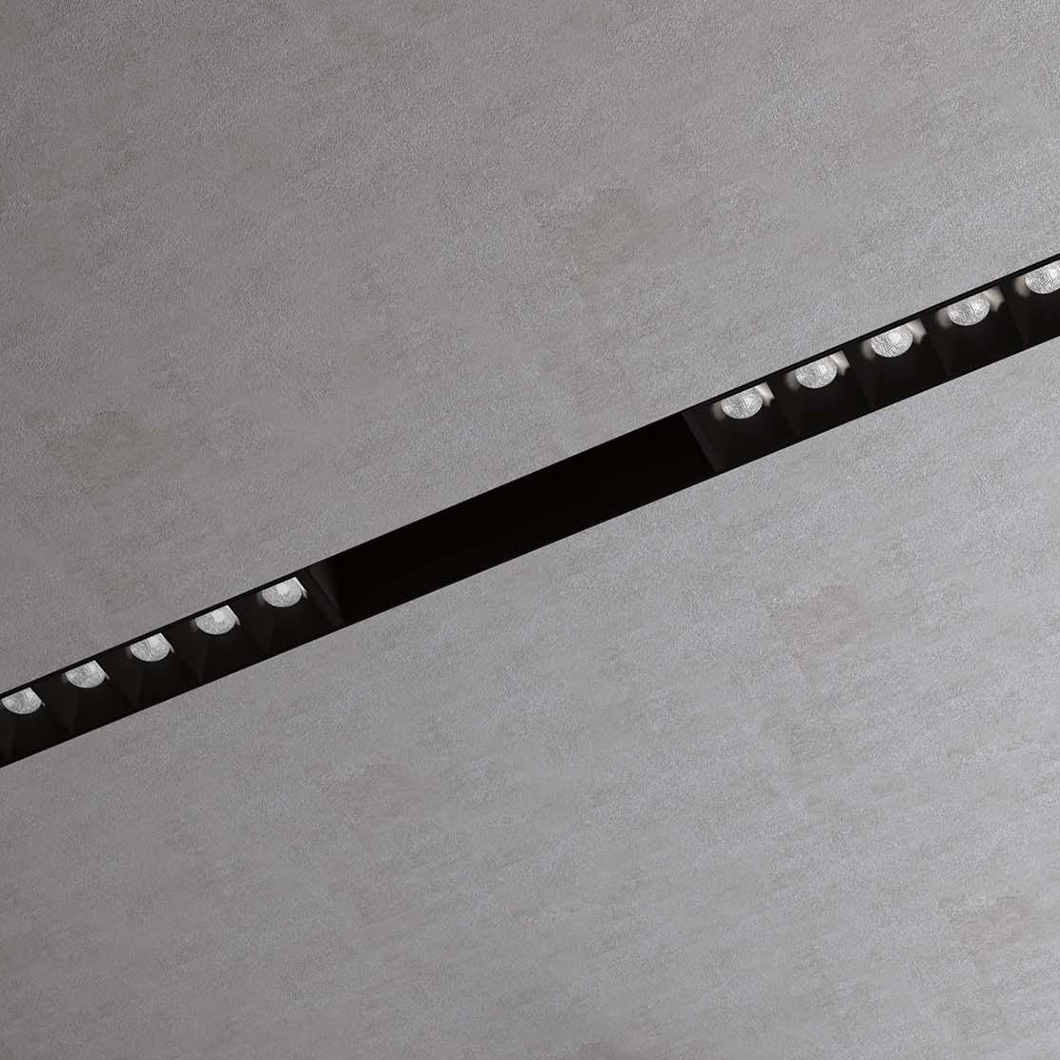
Choosing the right modular lighting system comes down to planning for your space, how you use it, and the look and feel you want to achieve. A well-selected setup will deliver both functionality and design value while avoiding unnecessary costs. Here’s what to keep in mind.
Assess Your Space and Lighting Needs
Different rooms have different lighting requirements. Start by thinking about how you use the space daily.
- Task-focused spaces like kitchens or offices may need higher brightness and targeted beams.
- Relaxation areas like living rooms may benefit from softer, ambient lighting.
- Look at room size and ceiling height to determine how many modules you’ll need.
For more ideas on smart placement and lighting design, check out our modular lighting system benefits.
Light Intensity and Color Temperature
Brightness (measured in lumens) and warmth (measured in Kelvin) impact both visibility and atmosphere.
| Use Case | Suggested Brightness | Color Temp (Kelvin) |
|---|---|---|
| Kitchen/Work Area | 5,000–7,000 lumens | 4000K–5000K (cool white) |
| Living Room | 2,000–4,000 lumens | 2700K–3000K (warm) |
| Retail/Showroom | 7,000+ lumens | 3500K–4500K (neutral) |
Control Options
With smart modular lighting, you can adjust brightness, set schedules, or change color tones from your phone or a wall panel. Look for:
- Dimmable modules for flexible ambiance.
- Zoning capabilities to control sections of the room separately.
- Integration with smart home systems like Alexa, Google Home, or building automation.
You can learn more about control units here: What is a lighting control module.
Compatibility With Existing Electrical Systems
Before buying, check wiring and voltage needs. Some LED modular light panels and connectors are plug-and-play, while others may need minor electrical adjustments. If you’re upgrading from old fixtures, confirm if you can reuse existing tracks or mounts to save costs.
Budget and Return on Investment
Think beyond the purchase price. Quality energy-efficient modular lighting may cost more upfront but:
- Cuts energy bills over time.
- Lasts longer, reducing replacement needs.
- Adds architectural appeal, potentially boosting property value for retail or commercial spaces.
Tip: In the U.S., LED upgrades can qualify for utility company rebates — check local energy-saving programs before buying.
Installation and Maintenance Tips for Modular Lighting
Step by Step Modular Lighting Installation
Installing a modular lighting system is straightforward if you follow the right sequence. Always check the manufacturer’s guide for your exact model, but here’s the general workflow:
- Plan the layout – Map where each module, connector, and power source will go.
- Turn off power – Safety first, cut power at the breaker before starting.
- Mount the fixtures – Secure modules or tracks to ceilings, walls, or mounting rails.
- Connect modules – Snap or click units together using connectors.
- Wire to power source – Ensure connections match the voltage and wiring type.
- Install control units or smart hubs – For dimming, scene control, or IoT integration.
- Test the system – Restore power and check each module for proper function.
- Adjust placement and angle – Fine-tune for optimal lighting coverage.
Tip: Pre-test LED modules before final installation to avoid rework.
Troubleshooting Common Modular Lighting Issues
Even with quality modular lights, occasional problems can happen. Here are quick fixes to try before calling in a pro:
- Flickering light – Check for loose connectors or incompatible dimmers.
- One module not working – Swap it with a working one to see if the issue is with the unit or the wiring.
- Color shift or uneven brightness – Inspect for aging LEDs or faulty driver units.
- Intermittent power loss – Tighten all connectors and check circuit load capacity.
- Smart control not responding – Reset the control hub, re-sync through the app, and check Wi-Fi signal strength.
Performance and Longevity Maintenance Tips
Modular lighting is low-maintenance, but a few simple habits will keep it looking and performing at its best:
- Dust regularly – Use a microfiber cloth to keep lenses and housings clean.
- Avoid moisture exposure – Unless rated for damp or wet locations.
- Replace worn drivers quickly – Prevents strain on other modules.
- Update smart control firmware – Ensures compatibility with new features and devices.
- Check connectors yearly – Make sure no parts have loosened over time.
- Use manufacturer-approved parts – Keeps warranty intact and performance consistent.
Innovations and Future Trends in Modular Lighting

Modular lighting is moving fast, and the newest tech is shaping the way we design, control, and use it. The focus is on smart control, better performance, and sustainable solutions—all while keeping spaces looking sleek.
Integration with Smart Home and Building Automation
Modern modular lighting systems now work seamlessly with smart home platforms and commercial building automation systems. This means:
- App-based control for dimming, color temperature, and scene settings.
- Voice integration with Alexa, Google Assistant, or Siri.
- Programming lights to respond to motion, daylight levels, or schedules, cutting down on wasted energy.
For offices and retail, tying lights into HVAC and security systems also boosts efficiency and saves money.
Advancements in LED Modular Technology
LED modular light panels and fixtures keep getting better thanks to:
- Higher lumen output with less energy use.
- Improved color rendering (CRI), giving a more natural light quality.
- Longer lifespans—reducing maintenance needs and replacement costs.
- Smaller, slimmer profiles that fit into more design styles without sacrificing performance.
Sustainable and Eco Friendly Lighting
The U.S. market is seeing a bigger push toward eco-friendly modular lighting options:
- Low-energy LED modules for reduced electricity usage.
- Recyclable materials in housings and lenses.
- Smarter power management to extend the life of modules.
- Designs that can be upgraded without replacing the entire fixture—cutting down on waste.
How Prillumen Light is Leading the Way
At Prillumen Light, innovation is baked into our approach. We focus on:
- IoT-enabled modular lights with easy smart home integration.
- Custom-configurable linear lights, panels, and track systems for any project size.
- Built-in energy-saving features to help U.S. homeowners and businesses meet green building standards.
- Modular pieces designed for easy upgrades—perfect for keeping up with evolving LED tech without costly overhauls.
With designs that blend architectural style, efficiency, and performance, Prillumen Light continues pushing modular lighting forward for both home and commercial spaces.
Why Choose Prillumen Light for Your Modular Lighting Needs
Proven Expertise in Modular Lighting Systems
Prillumen Light has years of experience in delivering high-quality modular lighting solutions for homes, businesses, and architectural projects across the United States. Our focus is on precision design, consistent performance, and energy efficiency that meets modern lighting standards.
We specialize in:
- Customizable lighting modules that adapt to your layout
- Architectural-grade materials for durability and style
- Advanced LED technology with high lumen output and low energy use
What Sets Prillumen Light Apart
When it comes to modular light fixtures, not all brands are equal. Here’s why U.S. homeowners, retailers, and contractors choose us:
| Feature | What You Get with Prillumen Light | Why It Matters |
|---|---|---|
| Custom Design | Tailored light modules to match your space | Perfect fit for residential, office, or retail |
| Reliability | Long lifespan LEDs, tested for U.S. electrical systems | Fewer replacements, less downtime |
| Customer Support | Expert help from selection to installation | Peace of mind and faster project completion |
| Energy Efficiency | Highly efficient systems | Lower electric bills and sustainable performance |
| Scalable Solutions | Options for small rooms or large buildings | Fits any project size without overcomplication |
Client Success Stories
- Modern Kitchen Upgrade – Texas: A client used our LED modular light panels for a sleek kitchen remodel. Brightness control and warm-to-cool color temperature transformed cooking and dining areas.
- Retail Display Lighting – New York: A boutique installed track modular lights to spotlight products. Sales and visual appeal improved within weeks.
- Office Retrofit – California: Replaced outdated fixtures with smart modular lighting connected to building automation. Energy savings reached 28% in the first year.
Work Directly With Our Team
We don’t just sell lights — we design them around your needs:
- Free consultations to assess your space and budget
- Personalized recommendations for the right modular lighting type
- Support before, during, and after installation
Contact Prillumen Light today to get started on a custom, energy-efficient, and visually stunning modular lighting solution for your space. Our team will help you plan, deliver, and install — making it easy to transform your lighting design with zero guesswork.




 English
  French
  Arabic
  German
  Spanish
  Italian
  Portuguese
  Esperanto
  Greek
Greek  Finnish

Leave A Comment