
Wall lamps are more than just a source of illumination—they are a seamless fusion of aesthetics and function. Whether you’re outfitting a luxury hotel, a residential apartment, or a commercial showroom, modern wall lamps offer versatile lighting solutions tailored to a variety of architectural and design needs.
This comprehensive guide will walk you through everything from lighting applications and types to design selection tips, international market preferences, and product recommendations—designed especially for global lighting importers, project contractors, and interior designers.
What Is a Wall Lamp?
A wall lamp, also called a wall light or wall sconce, is a fixture mounted directly on a vertical surface. Unlike pendant or ceiling-mounted lights, wall lamps typically provide localized lighting—either for ambiance, task support, or decorative emphasis.
Key advantages include:
- Space-saving (no floor or table footprint)
- Can double as task and accent lighting
- Integrates into modern, minimalist, or classical interiors seamlessly
Where Are Wall Lamps Commonly Used?
Wall lights are incredibly versatile across residential, commercial, and institutional applications.
| Application | Lighting Function | Design Tip |
|---|---|---|
| Bedrooms | Ambient + Reading | Use swing-arm sconces on either side of the bed |
| Hallways & Corridors | Guiding light + safety | Symmetrical placement every 2–3 meters |
| Living Rooms | Accent lighting | Flank artwork or mirrors for a dramatic effect |
| Bathrooms | Task lighting | Mount beside or above mirrors, with IP44 rating |
| Outdoor/Entrances | Security + decorative | Use IP65+ rated fixtures for weather protection |
| Hospitality Projects | Branding + ambiance | Choose warm color temperatures and dimmability |
Key Types of Wall Lamps
Wall lamps serve both practical and aesthetic purposes, enhancing ambiance while providing targeted illumination. Below are the primary categories, each tailored to specific needs—from minimalist task lighting to statement-making decorative pieces.
Fixed Sconces

Minimalist in structure, these are stationary fixtures offering upward/downward or dual-beam lighting. Best for hallways and dining rooms.
Adjustable Swing Arm Wall Lamps
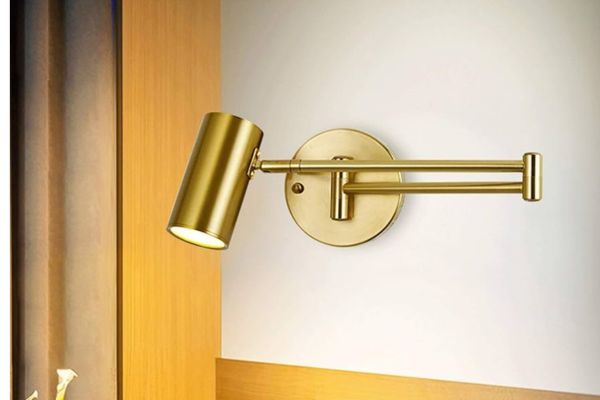
Feature a jointed arm that extends, rotates, or folds. Popular for bedside reading and workspaces.
Picture or Art Lights
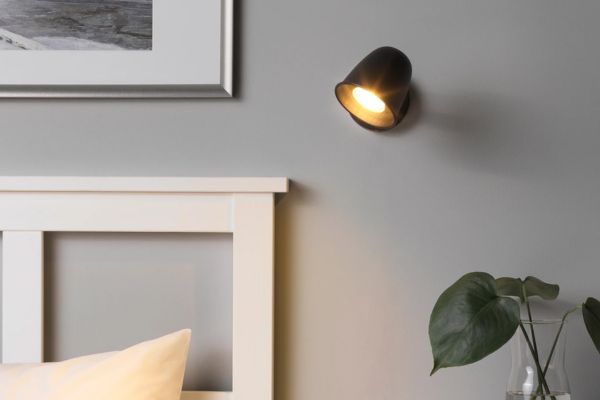
Narrow, directional wall lights designed to highlight artworks or signage. Common in galleries and luxury retail spaces.
Up/Down LED Washers
Architectural-style linear wall lights that direct light in two directions—ideal for accenting textured walls.
Decorative/Designer Wall Lamps
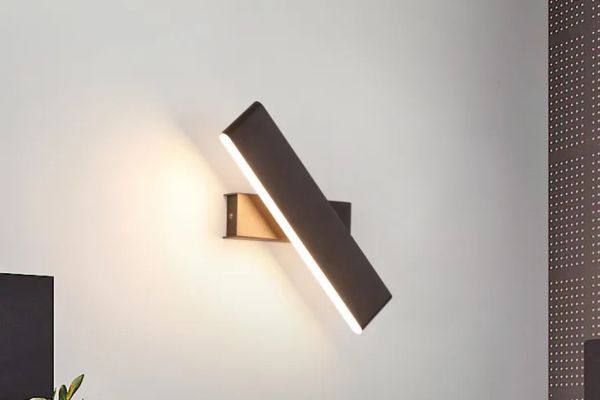
Often made from marble, brass, alabaster, ceramic, or fabric. These emphasize form as much as function and are suitable for luxury interiors.
How to Choose the Right Wall Lamp
Wall lamps are more than just functional fixtures—they’re design elements that shape a room’s mood and usability. Before diving into technical specs, consider how the lamp will integrate into your daily life. Will it guide guests through a hallway, create a serene reading nook, or accentuate a prized painting? The right choice balances aesthetics with purpose, ensuring the light not only illuminates but also enhances your space.
1. Purpose & Function
Are you trying to brighten a hallway, create a cozy ambiance, or spotlight a painting? Define whether you need ambient, task, or accent lighting.
2. Light Direction
-
Upward light: enlarges a space, softens walls
-
Downward light: focuses on tables, bedsides, etc.
-
Dual beam: stylish symmetry and architectural drama
3. Size & Placement
General guideline: Mount 66–72 inches (167–183 cm) from the floor, or eye level. Spacing between fixtures depends on application, but 6–8 feet (2–2.5 m) is common for corridors.
4. Style & Material
Match the lamp to the room’s interior:
- Scandinavian: white/wood, clean lines
- Industrial: matte black, cage design
- Luxury Classic: brass, glass, marble
5. Bulb Type & Color Temperature
LED is standard. Choose:
- 2700K–3000K: warm and cozy
- 4000K: neutral/task
- 5000K+: cool, daylight feel
6. IP Rating (for Outdoor/ Bathroom Use)
- IP44: bathroom-safe
- IP65+: outdoor/entrance security lighting
Matching Wall Lamps to Global Style Preferences
Wall lamp preferences vary significantly across regions, reflecting cultural aesthetics, climate considerations, and functional needs. Understanding these distinctions helps designers and buyers select fixtures that resonate with local tastes while meeting practical requirements.
| Region | Preferred Style | Common Material | Special Requirements |
|---|---|---|---|
| North America | Transitional, Farmhouse, Modern | Metal, Glass, Fabric | Dimmability, UL listed |
| Europe | Minimalist, Nordic, Classic | Wood, Marble, Alabaster | CE certified, low glare |
| Middle East | Ornate, Luxury | Brass, Crystal, Stone | Dual-tone, decorative IP lamps |
| Australia/NZ | Contemporary, Eco-Friendly | Timber, Ceramic | Warm LEDs, outdoor-rated |
Recommended Fixtures (If You’re an Importer or Designer)
Here are three top-selling wall lamps across markets:
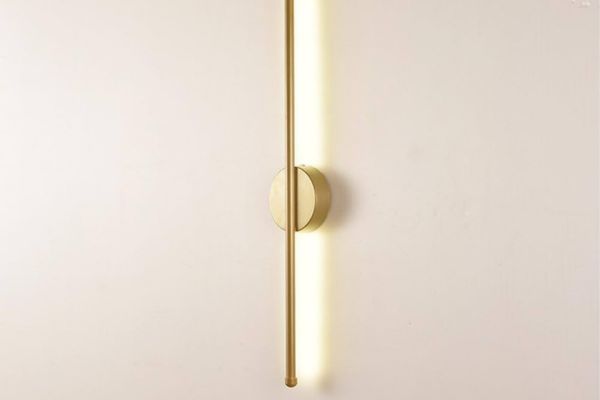
Modern Linear Wall Sconce
- Extruded aluminum body with PMMA diffuser
- Up/down wall wash lighting
- Available in 2700K/3000K/4000K
- Applications: corridors, upscale retail
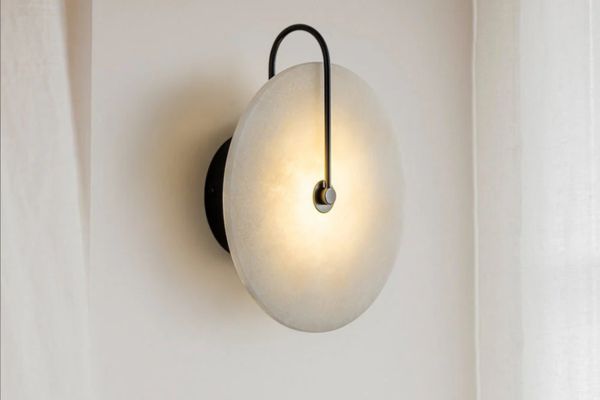
Alabaster Wall Lamp
- Hand-polished Spanish alabaster shade
- Brass backplate with touch dimming
- Soft warm glow ideal for hotel & residential use
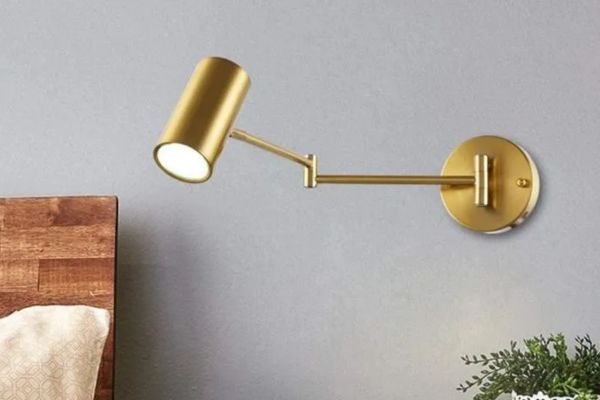
Swing Arm LED Wall Light
- 350° arm rotation, built-in LED module
- Ideal for reading or bedside tasks
- Matte black, brushed nickel finish options
Frequently Asked Questions (FAQs) – Wall Lamps
Q1: Can I install wall lamps without an electrical junction box?
Hardwired fixtures require a junction box for safety and code compliance. However, plug-in or battery-operated puck lights offer a renter-friendly alternative—no wiring needed. Simply mount the sconce and hide the puck light inside the shade, controlling it via remote.
Q2: What certifications should I look for when buying wall lamps?
Prioritize safety and market compliance:
- UL (Underwriters Laboratories) – US/Canada electrical and fire safety.
- CE (Conformité Européenne) – Europe’s mandatory safety and EMC standard.
- SAA (Standards Australia) – Australia/New Zealand electrical safety.
- CB Scheme – Facilitates global certification acceptance (often paired with UL/CE/SAA).
- IP Rating (e.g., IP44, IP65) – For moisture-prone areas like bathrooms or outdoors.
Q3: How many lumens should a bedroom wall light have?
For bedside reading, aim for 250–450 lumens per fixture (or ~50–100 lux ambient light). Opt for 3000–3500K warm LEDs to avoid eye strain and promote relaxation.
Q4: Are there wall lamps suitable for renters?
Yes! Battery-operated puck lights or plug-in sconces are ideal for rentals. They require no hardwiring and can be removed without damage.
Q5: What is the ideal mounting height for wall lamps?
Standard height is 66–72 inches (167–183 cm) from the floor for ambient lighting. For bedside reading, position sconces 80–100 cm above the mattress or install adjustable swing-arms.
Q6: Can wall lamps be used outdoors?
Only if they have an IP65+ rating for weather resistance. Ensure the fixture is UL wet-listed (US) or SAA outdoor-rated (Australia) for safety.
Q7: How do I choose between upward, downward, or dual-beam lighting?
- Upward: Expands space visually; great for hallways.
- Downward: Focuses light on tasks (e.g., bedside tables).
- Dual-beam: Adds architectural drama in living rooms or entryways.
Q8: What bulb type is best for wall lamps?
LED bulbs are standard for energy efficiency and longevity. Match color temperature to room function:
- 2700–3000K: Warm, cozy (bedrooms, living rooms).
- 4000K: Neutral/task (studies, kitchens).
- 5000K+: Cool daylight (workspaces).
Q9: Do wall lamps need dimmers?
Highly recommended! Dimmers allow flexibility—bright light for tasks, soft glow for ambiance. Ensure compatibility with LED bulbs and check for UL-listed dimmer switches.
Q10: How do I clean and maintain wall lamps?
Dust regularly with a microfiber cloth. For metal finishes, avoid abrasive cleaners. Check connections annually and replace batteries in puck lights as needed.
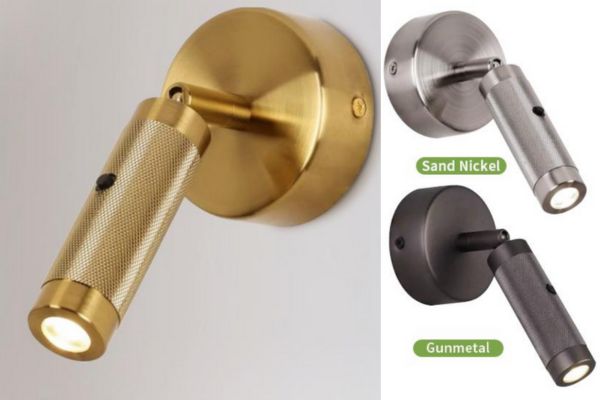
adjustable wall spotlight
LED adjustable wall spotlight The Adjustable Wall [...]

wall mounted spotlight
Wall Mounted Spotlight The Wall Mounted Spotlight [...]
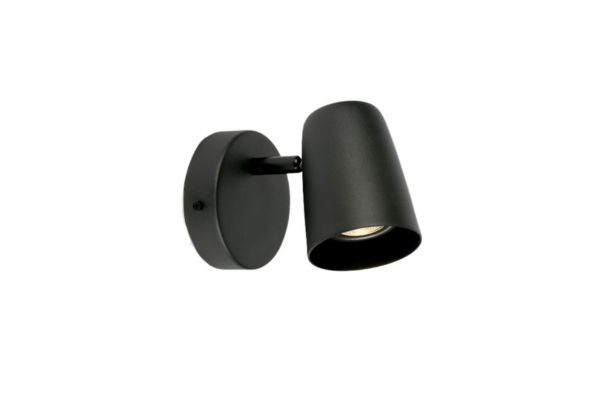
wall spotlights indoor
Hotel Wall Sconces The Indoor Wall Spotlights [...]
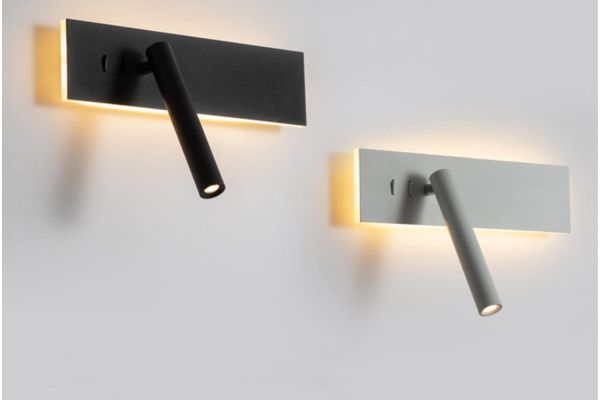
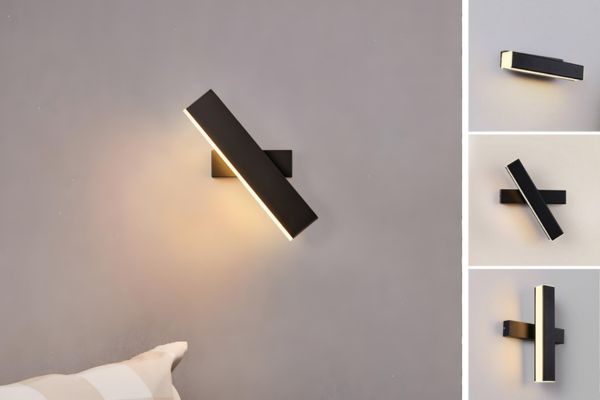
linear sconce lighting
Linear Sconce Lighting The Linear Sconce Lighting [...]
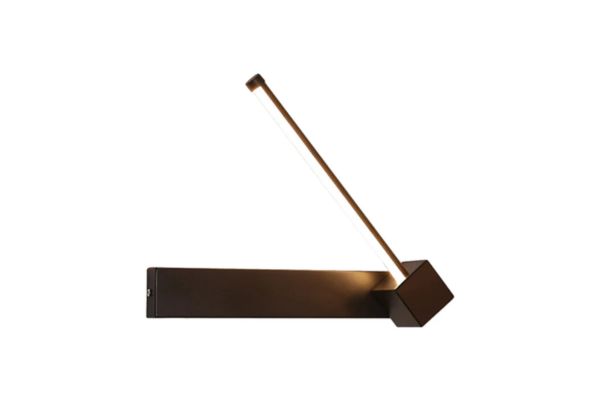
Modern linear sconce
Modern Linear Sconce Our Modern Minimalist Wall [...]

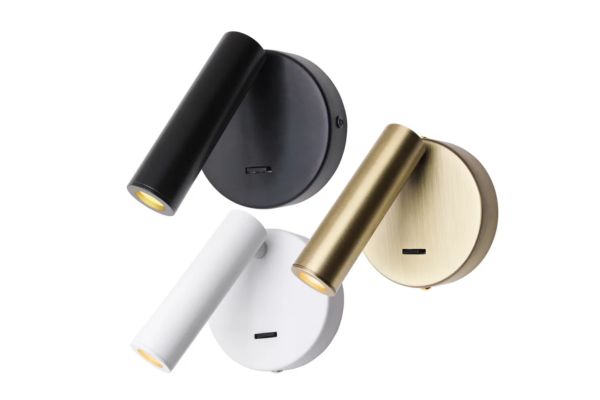
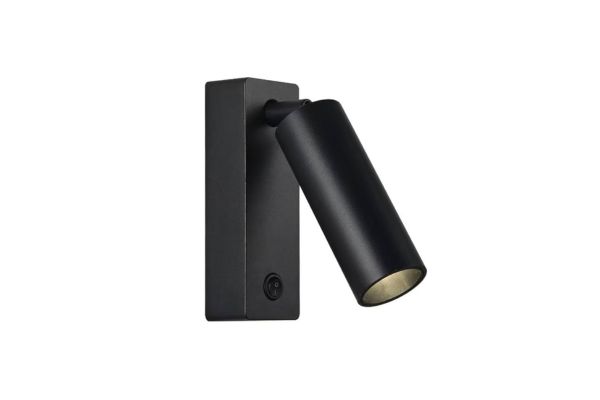
Hotel bedroom wall lights
Hotel Bedroom Wall Lights The Hotel Bedroom [...]
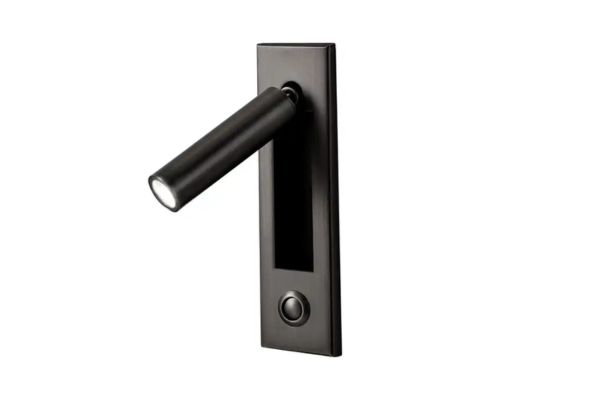
Hotel bedside wall lights
Hotel Bedside Wall lights The Hotel Bedside [...]
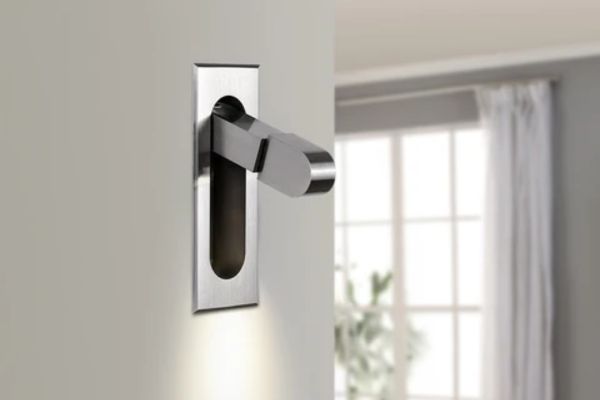
Hotel style bedside lamps
Hotel Wall Sconces The Hotel Style Bedside [...]
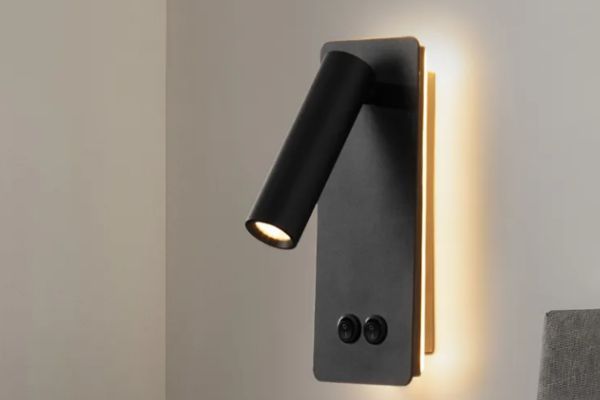
Hotel Bedside Light
Hotel Bedside Light The Hotel Embedded Bedside [...]
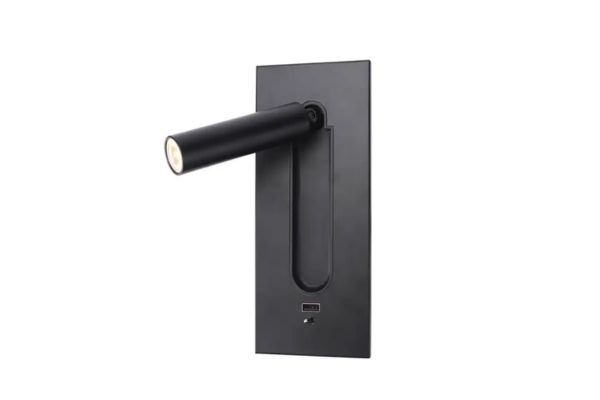
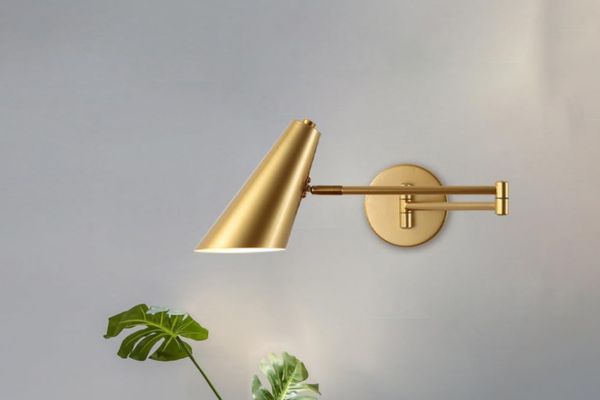
Swing arm wall light with shade
Swing Arm Wall Light With Shade The [...]
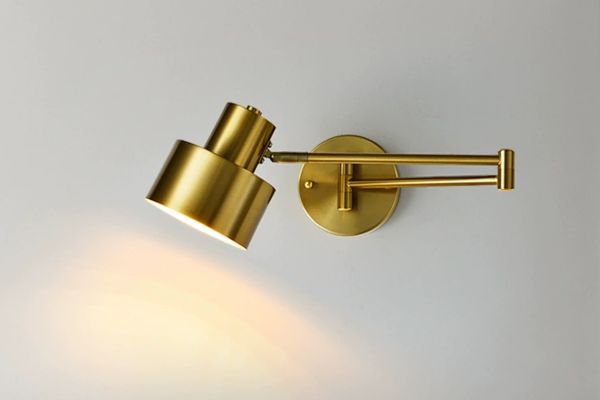
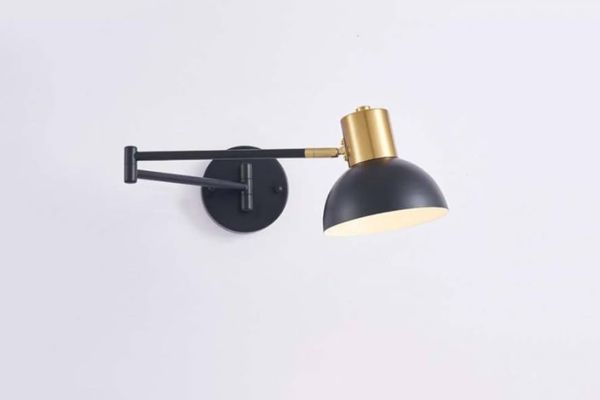
Hard Wired Swing Arm Lamp
Hard Wired Swing Arm Lamp The Hardwired [...]


 English
  French
  Arabic
  German
  Spanish
  Italian
  Portuguese
  Esperanto
  Greek
Greek  Finnish

Leave A Comment