
Are your supermarket aisles looking bright but feeling uncomfortable for shoppers? The culprit could be glare—and it’s doing more harm than you think. Harsh lighting doesn’t just strain the eyes; it can make products look dull, colors inaccurate, and customers less likely to browse. The good news? Low-glare supermarket aisle lighting can completely change the shopping experience—boosting comfort, enhancing product visibility, and even increasing sales. In this post, you’ll learn exactly how to create a glare-free, inviting aisle environment that works for both your customers and your bottom line. Let’s get started.
Glare in Supermarket Aisles
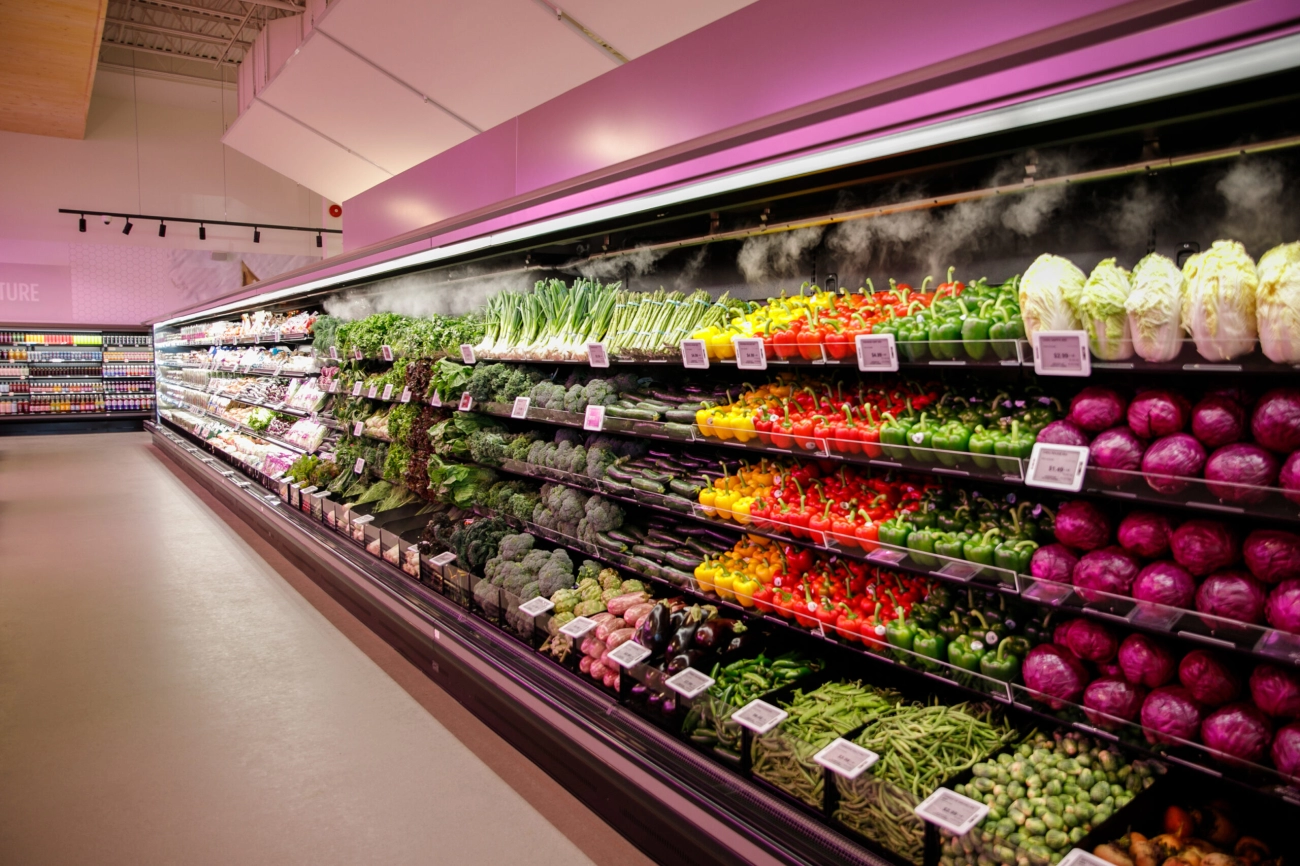
Understanding Glare in Retail Lighting
In supermarket environments, glare is more than just a visual nuisance — it can directly affect shopper comfort, product visibility, and overall sales performance. Glare occurs when light is too intense or poorly controlled, exceeding the eye’s ability to adapt. In supermarket lighting solutions, glare often becomes noticeable in long aisle layouts where lighting fixtures run parallel to shelving.
There are two primary types of glare to understand:
- Discomfort glare – Results in irritation or an urge to look away without necessarily reducing visibility. This often happens when shoppers look toward exposed bright bulbs or overly reflective surfaces.
- Disability glare – Significantly impairs the ability to see details or read labels due to scattered light within the eye, often caused by overly intense or badly aimed lighting.
Both can leave a negative impression on customers, reduce shopping time, and impact staff productivity.
Common Causes of Glare in Supermarket Lighting
Several factors contribute to excessive glare in supermarket aisles, including:
- Fixture design – Bare or exposed light sources without proper diffusers or lenses.
- Lighting placement – Lights mounted directly in shoppers’ line of sight or poorly positioned relative to aisle angles.
- Bulb types and wattage – Use of overly bright or high-output lamps without adequate shielding or glare control.
- Surface reflectivity – Glossy packaging, polished floor tiles, or high-shine fixtures reflecting light back into shoppers’ eyes.
When combined, these factors can create an uncomfortable environment that discourages customers from lingering in certain store areas.
Effects of Glare on Shoppers and Staff
The consequences of unmitigated glare go beyond visual discomfort:
- Eye strain and fatigue – Shoppers may cut visits short, and staff may feel drained after long shifts.
- Reduced visibility – Makes it harder to read product labels, especially for older customers or those with vision impairments.
- Inaccurate color perception – Harsh lighting can distort colors, making fresh produce or packaged goods appear less appealing.
- Negative in-store experience – Creates a subconscious urge to move quickly through uncomfortable areas, which can reduce sales opportunities.
For retailers, addressing glare is not just an aesthetic choice but a business necessity. Modern anti-glare LED lights and retail lighting design strategies eliminate these issues by combining the right fixture technologies with thoughtful placement. For more on store-specific solutions, see lighting fixtures for retail stores.
Benefits of Low-Glare Supermarket Aisle Lighting
Enhanced Shopper Comfort and Browsing Time
Low-glare lighting makes aisles easier on the eyes, which helps customers feel more relaxed while shopping. In stores with harsh lighting, people tend to rush because bright, direct glare can cause eye fatigue. With softer, evenly distributed light:
- Shoppers stay longer in aisles
- They’re more likely to browse and explore different products
- The overall shopping atmosphere feels more welcoming
Improved Product Presentation and Color Accuracy
The right lighting makes food and goods look true to life, without overly bright spots or washed-out colors. Low-glare fixtures with the right color temperature (around 3500K–4000K) help:
- Produce look fresh and appealing
- Packaging colors stay accurate and vibrant
- Shiny surfaces reflect less, making labels easier to read
| Lighting Element | Impact on Products |
|---|---|
| Balanced brightness | Avoids overexposure on shelves |
| Accurate color rendering | True-to-life product appearance |
| Reduced reflections | Easier viewing of labels and price tags |
Positive Impact on Staff Productivity and Morale
Staff spend hours under store lighting, so comfort matters. Low-glare supermarket lighting:
- Minimizes headaches and eye strain during long shifts
- Improves focus and accuracy in stocking and labeling
- Creates a better overall work environment, which can help with retention
Energy Efficiency with Modern Fixtures
Today’s low-glare LED aisle lighting uses far less energy than older fluorescent or halogen systems while delivering better visual comfort. Benefits include:
- Lower operating costs
- Reduced heat output, helping store cooling systems
- Longer lifespan, cutting down on maintenance and replacements
When low-glare lighting is done right, it’s not just about comfort—it’s about better sales potential, improved workplace conditions, and reduced operating costs all in one upgrade.
Key Features of Effective Low Glare Aisle Lighting
Designing low-glare supermarket aisle lighting isn’t just about picking the right bulb — it’s about balancing fixture design, placement, and color temperature to get an even, comfortable light that helps shoppers see products clearly without strain.
Fixture Design
The right fixture design can cut glare at the source. Common options include:
- Diffusers – Spread the light evenly and soften harsh edges.
- Louvers – Direct light downward to avoid shining directly into shoppers’ eyes.
- Shields – Block direct view of the light source from certain angles.
Well-designed fixtures help maintain glare reduction in retail lighting while keeping the aisles bright enough for browsing and stocking.
Proper Placement and Aiming
Even the best fixture will cause glare if it’s placed or aimed wrong. Key considerations:
- Space fixtures evenly along the aisle to avoid bright spots.
- Tilt or angle lights so beams hit the shelves, not shoppers’ faces.
- Avoid placing strong lights directly above eye level for most shoppers.
This approach is essential for lighting fixture placement for stores, especially in high-traffic aisles.
Optimal Color Temperature
For supermarkets, the sweet spot is 3500K to 4000K. This range:
- Keeps colors true so produce and packaged goods look natural.
- Feels bright and clean without being too “cold” or too “yellow.”
- Supports a pleasant shopper experience in long browsing sessions.
| Color Temp Range | Effect in Supermarkets | Best For |
|---|---|---|
| 3500K–3700K | Warm-white, inviting | Bakery, deli areas |
| 3800K–4000K | Neutral-white, crisp | Grocery aisles, produce |
Light Uniformity and Brightness Control
Even lighting across aisles is key to avoiding eye strain and maintaining visibility.
- Use overlapping beam spreads to eliminate dark patches.
- Install dimming controls to adjust brightness at different times of day.
- Consider smart LED aisle lighting for automatic adjustments based on natural light.
Uniform brightness not only improves the shopper experience lighting but also makes products stand out without causing discomfort.
Types of Lighting Fixtures for Low-Glare Supermarket Aisles
Choosing the right fixtures is key to creating low-glare supermarket aisle lighting that’s comfortable for shoppers and functional for staff. The right setup balances brightness, uniformity, and energy efficiency while keeping glare to a minimum. Here are the main options that work well in U.S. supermarkets.
LED Linear Fixtures with Anti-Glare Technology
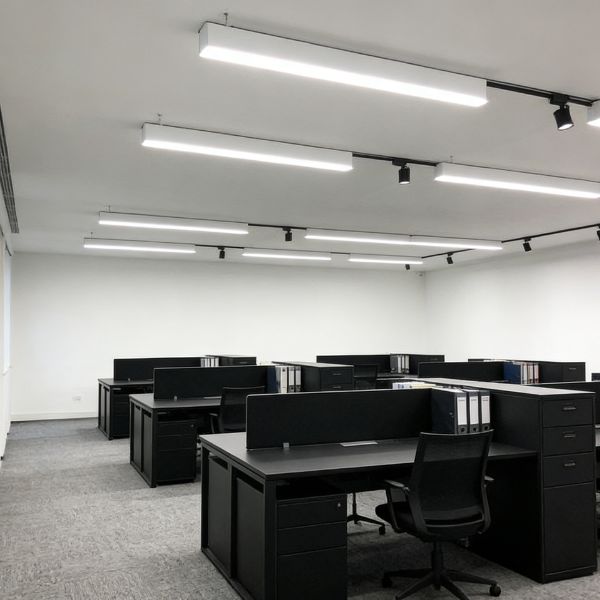
LED linear lights are the top pick for most supermarkets. When built with anti-glare lenses or microprismatic diffusers, they spread light evenly and soften harsh direct beams. This helps keep product packaging easy to read and color-accurate without creating hot spots or shadowy areas.
- Great for long supermarket aisles
- High energy efficiency with longer lifespan
- Pair well with smart dimming controls
Recessed vs Surface-Mounted Lighting
- Recessed fixtures sit flush with the ceiling, which hides the light source and naturally reduces direct glare. They create a clean, modern look and work best in stores with drop ceilings.
- Surface-mounted fixtures are easier to install or retrofit. With the right shielding or diffuser, they can still achieve low-glare results while offering more flexibility in placement.
Indirect Lighting and Accent Lighting
Adding indirect lighting above shelving or using accent lighting aimed at displays can reduce the need for harsh overhead lights. This layered approach spreads light softly across the aisle, making signs and labels easier to read without strain.
- Ideal for fresh produce or specialty sections
- Reduces overall contrast, which helps limit discomfort glare
Smart Controls and Dimming Capabilities
Smart lighting systems let you fine-tune brightness throughout the day based on natural light levels or store traffic. Dimming can help during slower hours or when sunlight is pouring in through front windows, cutting glare and saving energy.
- Adjustable light levels for different times of day
- Lower energy bills without sacrificing visibility
Installation Best Practices for Low Glare Supermarket Aisle Lighting
Good lighting starts with proper installation. Even the best low-glare fixtures won’t work well if they’re installed in the wrong spot or at the wrong angle. Here’s how to get it right for supermarket aisle lighting so shoppers and staff get the comfort and visibility they need without the irritating glare.
Correct Mounting Height and Angle
- Mount fixtures at the right height — usually between 9 to 12 feet for most supermarket aisles, depending on ceiling height.
- Angle lights slightly away from shopper sightlines to avoid direct light hitting the eyes.
- Avoid tilting fixtures too far, which can cause harsh spots on shelving or the floor.
Effective Use of Reflectors and Diffusers
- Choose fixtures with built-in diffusers or louvers to soften light output.
- Use reflectors to direct light onto products instead of directly toward shoppers.
- If upgrading, look for anti-glare LED aisle lighting options with high-quality lens covers.
Preventing Reflections from Shiny Surfaces
- Check lighting angles against glossy packaging, metal shelving, or polished floors to see where hotspots appear.
- Slight adjustments in fixture placement can reduce distracting reflections that make labels hard to read.
- In fresh produce or refrigerated sections, avoid direct beam aiming at glass doors.
Integration with Store Lighting Strategy
- Coordinate aisle lighting with perimeter and display lighting so brightness levels feel consistent.
- Use zoning and dimming controls to match light intensity to time of day or traffic levels.
- Combine general lighting with accent lighting to reduce dependence on high-intensity overhead fixtures, which often cause glare.
Case Studies on Low Glare Supermarket Aisle Lighting
Real Store Success Stories
Several U.S. supermarkets have seen clear benefits after switching to low-glare supermarket aisle lighting. These upgrades improved how products looked, reduced shopper complaints, and even boosted staff satisfaction.
Example 1 – Regional Grocery Chain Upgrade
- Problem: Customers reported eye discomfort in brightly lit canned goods aisles due to glare off shiny packaging.
- Solution: Installed LED linear fixtures with anti-glare diffusers and adjusted light angles.
- Result:
- 35% drop in customer complaints about “too bright” aisles
- Increased average browsing time by nearly 12%
- Products appeared truer to color, leading to a noticeable lift in fresh produce sales
Example 2 – Independent Supermarket in the Midwest
- Problem: Harsh lighting in bakery and deli sections made food look dull and unappealing.
- Solution: Transitioned to warm 3500K LED aisle lighting with glare shields.
- Result:
- Higher customer satisfaction scores in store surveys
- Reported 8% uptick in prepared food sales
- Bakery staff noted reduced eye strain during long shifts
Before and After Lighting Comparisons
| Feature | Before Upgrade | After Low-Glare Lighting Install |
|---|---|---|
| Shopper Comfort | Frequent glare complaints | Bright, comfortable aisles |
| Product Visibility | Washed-out colors, reflections | True color accuracy, clear labels |
| Staff Productivity | Fatigue, headaches common | Sustained energy, better focus |
| Energy Efficiency | Older fluorescent fixtures | Modern LED with lower power use |
Maintenance and Upgrades for Low Glare Supermarket Lighting

Keeping low-glare supermarket aisle lighting performing at its best isn’t just about the installation — it’s about ongoing care and smart upgrades. A well-lit store should stay consistent in quality, color, and brightness over time. Even small drops in lighting performance can impact customer comfort and product presentation.
Routine Cleaning and Fixture Upkeep
Dust, grease, and debris build-up can quickly dull light output and increase glare. Regular cleaning keeps fixtures clear and effective.
- Clean lenses, diffusers, and reflectors at least quarterly, or more often in high-traffic or high-dust areas.
- Check fixtures for yellowing or cracking on diffusers — old plastics scatter light unevenly, making glare worse.
- Inspect for flickering LEDs or dim spots and replace them right away to keep light uniform.
Upgrading Older Lighting to Low Glare Solutions
Technology moves fast, and older fixtures often can’t match the efficiency or comfort of newer anti-glare LED aisle lighting.
- Replace outdated fluorescent or high-bay fixtures with LED linear fixtures with glare control features.
- Choose models with diffusers or microprism lenses to soften light and spread it evenly.
- Look for fixtures that meet energy-efficient supermarket lighting standards and qualify for rebates or energy tax credits in your state.
Monitoring Lighting Performance Over Time
Lighting doesn’t suddenly fail — it gradually changes. Tracking performance helps spot issues before they affect shoppers.
- Conduct annual lighting audits to measure brightness, color temperature, and uniformity.
- Use smart controls or monitoring systems to track lamp performance and energy usage in real time.
- Adjust dimming levels and fixture aim periodically to adapt to any changes in store layout or shelf displays.
Pro Tip: Plan for phased upgrades — replacing fixtures section by section makes it easier to budget, avoids business interruptions, and ensures consistent light quality store-wide.
Why Choose a Specialist Lighting Supplier for Low Glare Needs
When it comes to low-glare supermarket aisle lighting, working with a specialist lighting supplier can make a big difference in results, cost savings, and long-term performance. General lighting vendors often miss the unique needs of a retail environment, but a specialist understands them inside and out.
Product Range Tailored for Supermarket Environments
A good specialist will offer fixtures specifically designed for retail shelves, product displays, and wide aisles, not just generic commercial lights. This includes:
- LED aisle lighting with anti-glare optics for clear visibility without harsh reflections
- Color-accurate lighting (3500K–4000K range) so products look true-to-life
- Uniform coverage fixtures to avoid dark spots or overly bright areas
- Options for surface-mounted, recessed, or indirect lighting to match store layout and ceiling types
Expert Consultation and Custom Solutions
Specialist suppliers don’t just sell lights—they help create a store lighting design plan that fits your exact space and goals.
- Site assessments to check glare sources and fixture placement needs
- Fixture aiming plans to reduce light hitting customer eye level
- Custom lens or diffuser choices for unique aisle widths and shelving
- Integration with daylight sensors or smart dimming for energy savings and ambience control
Energy Savings and Warranty Support
Energy efficiency isn’t just about lowering electric bills—it’s also about future-proofing. Specialist suppliers can supply Energy Star-rated, low-wattage LED supermarket lighting solutions that cut operational costs without sacrificing quality.
- Lower energy consumption with high-output, low-wattage designs
- Warranty coverage (often 5–10 years) for peace of mind
- Ongoing maintenance partnerships to keep lighting performing at its best
- Recommendations for rebates and incentives available in your state for energy-efficient lighting upgrades
| Benefit | How a Specialist Delivers Value |
|---|---|
| Tailored product selection | Fixtures made for supermarket aisles and displays |
| Expert design support | Plans that minimize glare and maximize visibility |
| Long-term energy savings | High-efficiency LEDs and smart controls |
| Reliable warranty coverage | Protects your investment for years |
| Local market incentives | Guidance on rebates and tax savings |
The right supplier doesn’t just sell lights—they design for shopper comfort, staff productivity, and cost efficiency, all while keeping glare out of the equation.


 English
  French
  Arabic
  German
  Spanish
  Italian
  Portuguese
  Esperanto
  Greek
Greek  Finnish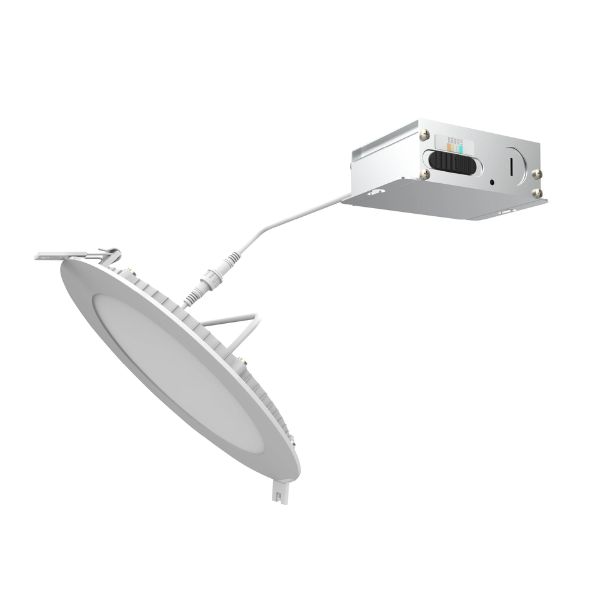

Leave A Comment