
Are you looking to make your retail displays truly stand out? Lighting in visual merchandising isn’t just about illumination—it’s a powerful tool that can shape customer perceptions and boost sales. Getting your lighting right means more than just making products visible; it’s about creating mood, highlighting features, and guiding shoppers through your space effortlessly.
In this post, you’ll discover how to harness the full potential of lighting in visual merchandising to transform your store environment. From the best lighting types to practical tips that work in real retail settings, we’ll cover everything you need to know to make your displays shine. Ready to light up your retail success? Let’s dive in!
Visual Merchandising and the Power of Lighting in Retail
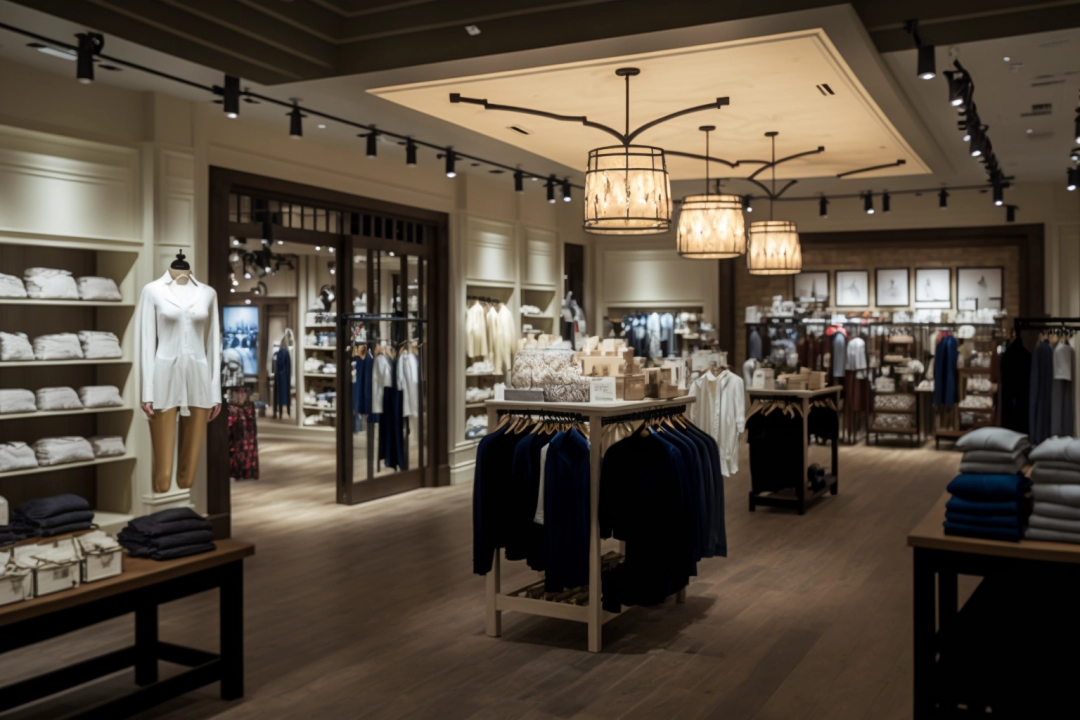
What is Visual Merchandising
Visual merchandising is the art of presenting products in a retail space to attract customers and encourage purchases. It’s about more than just arranging items neatly—it combines store layout, product positioning, signage, and lighting to create an engaging shopping experience. Good visual merchandising helps shoppers find products easily and connects them emotionally to the brand.
Psychological Effects of Lighting in Visual Merchandising
Lighting has a surprisingly strong psychological impact on customer perception and mood. The right lighting can:
- Attract attention to products and displays, making them stand out.
- Create an inviting atmosphere that encourages customers to stay longer.
- Influence how customers perceive the quality and color of products.
- Enhance mood, making shoppers feel comfortable and more willing to buy.
For example, bright, warm lighting can evoke feelings of excitement and warmth, while softer, cooler lighting can create a calm, upscale ambiance. These effects steer shopper behavior subtly but powerfully.
How Lighting Complements Store Layout and Product Positioning
Lighting works hand in hand with the store layout and product placement to guide customers naturally through the space. Effective lighting highlights key product areas and creates visual pathways. Here’s how lighting complements other visual merchandising techniques:
- Bright lighting at entry points grabs attention right away.
- Accent lighting draws focus to bestsellers or new arrivals.
- Gradual changes in light intensity help direct traffic flow and prevent confusion.
- Strategic shadows and angles emphasize the shape and texture of products, making displays more dynamic.
Combined with thoughtful store layout, lighting turns a retail space into a visually stimulating environment that encourages exploration and discovery. It’s essential for both enhancing product displays and supporting the overall retail lighting design strategy.
Types of Lighting Used in Visual Merchandising
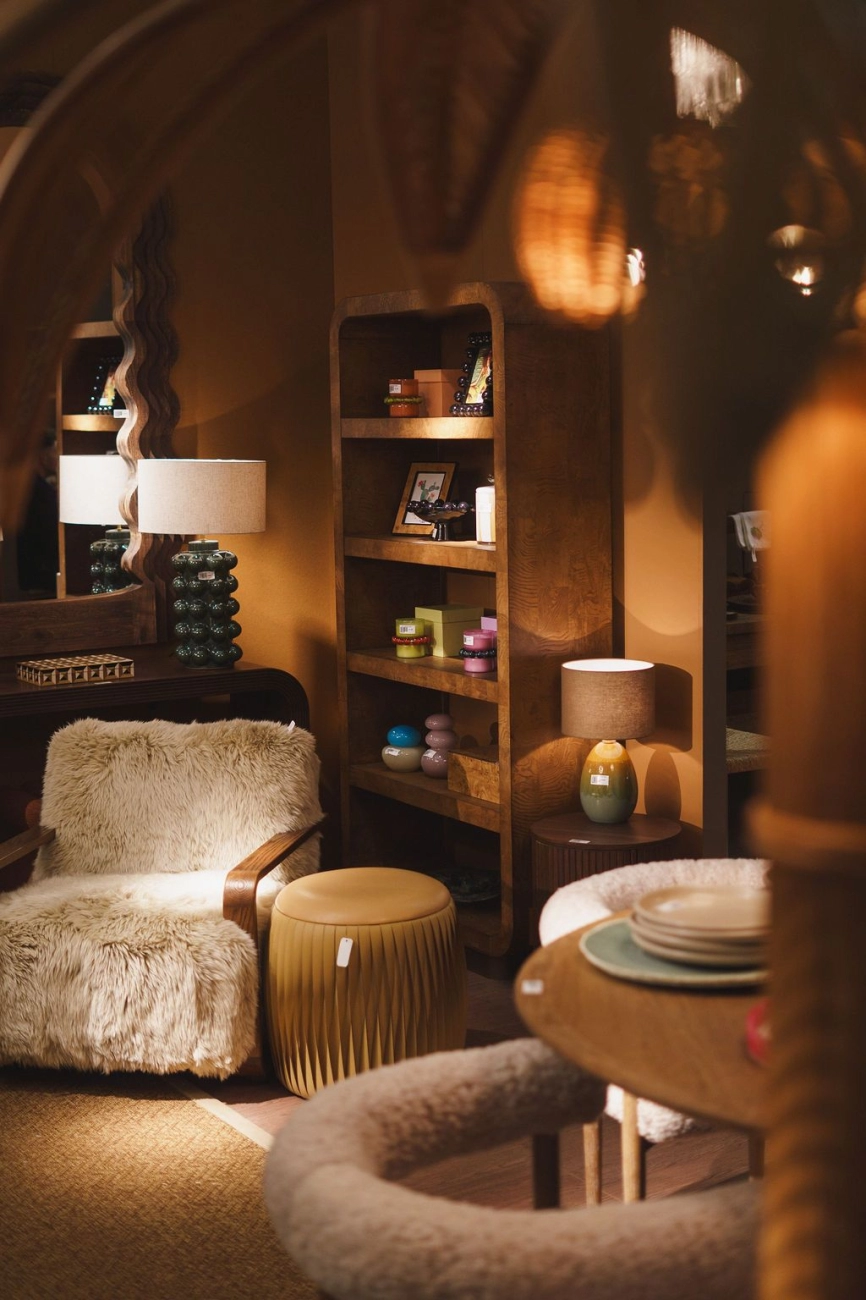
When it comes to lighting in visual merchandising, using the right types of light can make all the difference in how customers see and interact with your products. Each type plays a unique role in shaping the shopping experience and supporting your store’s layout and branding.
Ambient Lighting Sets the Overall Tone
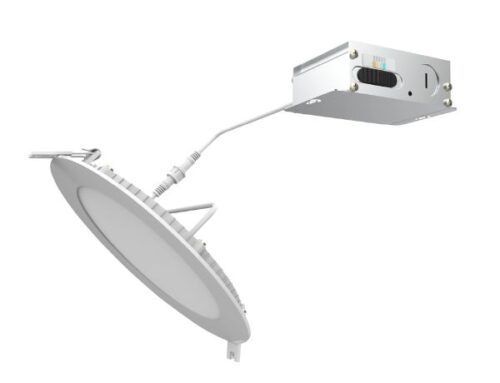
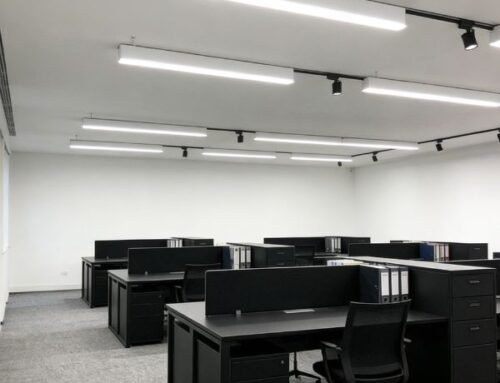
Ambient lighting is your store’s base layer of light. It creates the general atmosphere and ensures the space is well-lit without harsh shadows. This kind of lighting provides a comfortable level of brightness that helps shoppers navigate freely and feel relaxed. Think of it as the backdrop that supports every other lighting element in your retail environment. Popular options include soft LED panels or diffused ceiling lights, which deliver even, energy-efficient lighting suitable for all store types.
Accent Lighting Highlights Products and Focal Points
Accent lighting is all about drawing attention to specific products or displays. This targeted lighting creates contrast and makes key items pop, encouraging customers to focus on featured merchandise. Spotlights, track lighting, and adjustable LEDs are common tools here. Using accent lighting effectively can emphasize new arrivals, best sellers, or promotional items, guiding customers’ eyes exactly where you want them.
Task Lighting Supports Specific Areas and Activities
In areas where detail matters, task lighting is essential. This type of lighting provides extra brightness for activities like checkout counters, fitting rooms, or product demonstration zones. It ensures that both staff and customers can clearly see what they’re doing without straining their eyes. Adjustable desk lamps or pendant lights often serve well in these scenarios, enhancing both functionality and shopper comfort.
Decorative Lighting Adds Aesthetic Appeal and Brand Personality
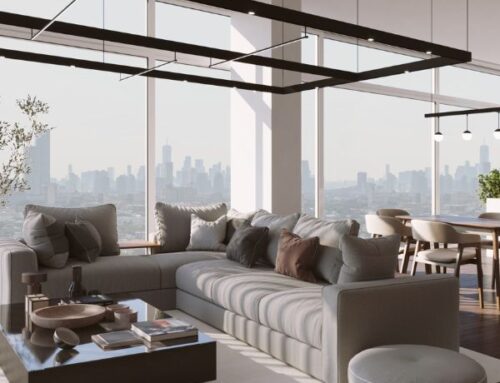
Beyond function, decorative lighting sets the mood and reinforces your brand identity. Think stylish fixtures, colored bulbs, or creative light installations that reflect your store’s vibe. This lighting isn’t just about visibility—it’s about making a statement and creating a memorable experience. Using decorative lighting strategically can turn your retail space into a destination, encouraging repeat visits and stronger customer connections.
By combining these four types of lighting—ambient, accent, task, and decorative—you build a dynamic visual merchandising strategy that shapes shopper behavior and boosts sales. Choosing the right mix, tailored to your store’s products and layout, is key to effective retail lighting design.
Key Principles for Effective Lighting in Visual Merchandising
Getting your lighting right in visual merchandising goes beyond just turning on a few bulbs. It’s about smart choices that guide your customers, highlight products, and create an inviting store environment. Here’s what you need to focus on:
Brightness and Contrast Guide Customer Flow
Brightness plays a major role in how shoppers move through your space. Brighter areas naturally attract attention, so use higher intensity lighting to pull customers toward key displays or new arrivals. At the same time, contrast between lit and shadowed areas helps direct the eye and create natural pathways. This technique not only highlights important products but also improves navigation within the store.
Color Temperature Impacts Product Appearance
The color temperature of your retail lighting affects how products look and feel. Warmer lights (2700K–3000K) create cozy, inviting moods—great for apparel or home goods. Cooler tones (4000K–5000K) offer a crisp, modern look that works well for electronics or grocery stores. Choosing the right color balance lets your products’s true colors shine and influences shoppers’ perceptions.
Direction and Angle Emphasize Textures and Shapes
Lighting direction and angle matter a lot for product display lighting. Side or angled lighting can bring out textures, contours, and details—making fabrics, packaging, or surfaces appear richer and more appealing. Overhead lighting alone can flatten displays and reduce visual interest. Use adjustable fixtures to experiment with light angles, emphasizing the best features of your merchandise.
Consistency Versus Focal Highlights
You need a balance between consistent ambient lighting and focused accent lighting. General lighting keeps the entire store comfortable and easy to browse, while accent lights spotlight new products, best sellers, or promotions. Overdoing spotlights can feel overwhelming or tiring, so maintain a smooth transition between broad lighting and highlighted zones. This approach supports both overall flow and attention to key items.
Mastering these principles in your retail lighting design creates a space that feels natural and engaging, encouraging customers to explore and connect with your products. Using these techniques thoughtfully will improve shopper experience and can boost sales by showcasing merchandise in its best light.
Practical Tips for Implementing Lighting in Your Retail Space

When setting up lighting in your retail store, focusing on both function and style is crucial. Good retail lighting design not only highlights your products but also shapes the shopper’s overall experience. Here are some practical tips to make your lighting work effectively.
Choose LED Lighting Over Traditional Solutions
LED lighting for stores is the top choice for US retailers because it offers several key benefits compared to traditional bulbs:
- Energy efficiency: LEDs consume less energy, which lowers your electricity bills and supports sustainability goals.
- Longer lifespan: This reduces maintenance and replacement costs in the long run.
- Better color rendering: LEDs bring out true colors, enhancing product appearance and making displays more appealing.
- Flexibility: LEDs come in various shapes, sizes, and color temperatures, letting you customize your store’s mood easily.
Compared to incandescent or fluorescent lights, LEDs can transform your retail environment while keeping costs down.
Layer Your Lighting for Depth and Visual Interest
A single light source rarely does the job well. Layering lighting means combining different types to give your space depth and dimension:
- Ambient lighting sets the overall tone and visibility.
- Accent lighting draws attention to featured products or displays.
- Task lighting supports specific areas like checkout counters or fitting rooms.
This blend creates a dynamic atmosphere that can guide customers from one area to another, subtly influencing where they focus. For insights on layering, check out the difference between linear and track lighting options that fit various retail spaces.
Use Lighting to Create Mood Zones Within the Store
Different areas of your store might need different moods or vibes. For example:
- A calm, warm area for luxury products.
- Brighter, cooler lighting where customers browse electronics.
- Spotlighted sections for sales or new arrivals.
Using lighting to create mood zones improves the shopping experience by matching lighting effects to the product category and customer expectations. It also encourages customers to spend more time and explore different zones, which can boost sales.
Focus on Maintenance and Energy Efficiency
Good lighting design isn’t just about looks. You want solutions that hold up and save money:
- Regularly clean fixtures and bulbs to keep lighting bright and consistent.
- Use energy-efficient controls, like dimmers and motion sensors, to lower power usage during slow hours.
- Plan for easy bulb replacement by choosing fixtures with accessible designs.
Sustained energy efficiency adds up to lower costs and supports your store’s green initiatives. For more on sourcing reliable and energy-efficient retail lighting, working with trusted suppliers can ensure you get the best options tailored to your needs.
These practical tips help you make smarter choices in retail lighting design to enhance product displays, customer mood, and overall store performance.
Local Considerations for Lighting in Visual Merchandising
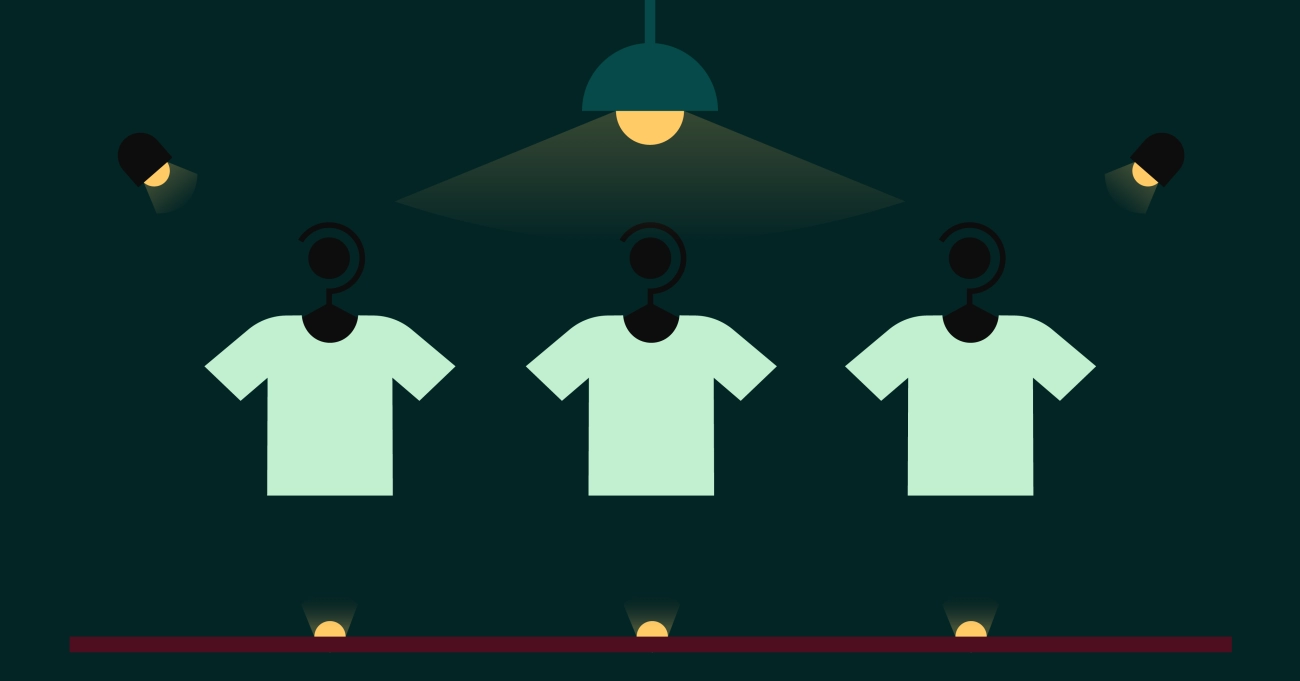
When it comes to lighting in visual merchandising, adapting to local conditions is crucial for creating an effective retail environment. Local climate, daylight patterns, regulations, and sourcing options can all impact how you plan and execute your store lighting.
Adapting Lighting Strategies to Local Climate and Daylight Patterns
In the United States, daylight availability varies widely depending on your region—think bright sun in Arizona versus frequent overcast in Seattle. This affects how much natural light your store gets and when. To balance this:
- Adjust ambient lighting levels to complement natural light without causing glare or harsh shadows.
- Use automatic dimming controls or timers to adapt artificial lighting throughout the day.
- Consider energy-efficient LED lighting that can handle frequent on-off cycles common in variable daylight environments.
Properly adapting lighting ensures your product displays remain visible and appealing, regardless of external light conditions. It also helps reduce unnecessary energy use by syncing artificial lighting with natural daylight.
Complying with Local Electrical Codes and Sustainability Standards
Every state and city in the U.S. has its own electrical requirements and energy codes, which affect how you install and maintain your store lighting. Staying compliant means:
- Following local building codes for wiring, fixtures, and emergency lighting.
- Meeting energy efficiency standards, such as those from ENERGY STAR or local green building programs.
- Considering sustainability demands, including reduced power consumption and using recyclable or long-lasting lighting products.
These measures not only keep your store safe and legal but also appeal to environmentally conscious consumers increasingly focused on green business practices.
Sourcing Lighting Solutions Locally Benefits and Challenges
Choosing local suppliers for your retail lighting design can offer advantages like:
- Faster delivery and easier customization of fixtures.
- Better understanding of regional lighting trends and climate needs.
- More responsive support and service.
However, challenges include:
- Limited product variety compared to national or international brands.
- Potentially higher costs for specialized lighting solutions.
- Smaller scale of operation which might affect bulk pricing.
Balancing these factors helps you select lighting that fits your store’s aesthetic and operational requirements while supporting local business.
Understanding and applying these local considerations make your store lighting smarter and more effective. This, in turn, improves shopper experience, enhances product visibility, and supports your sustainability goals—all key elements in today’s U.S. retail landscape.
Case Studies in Lighting for Visual Merchandising
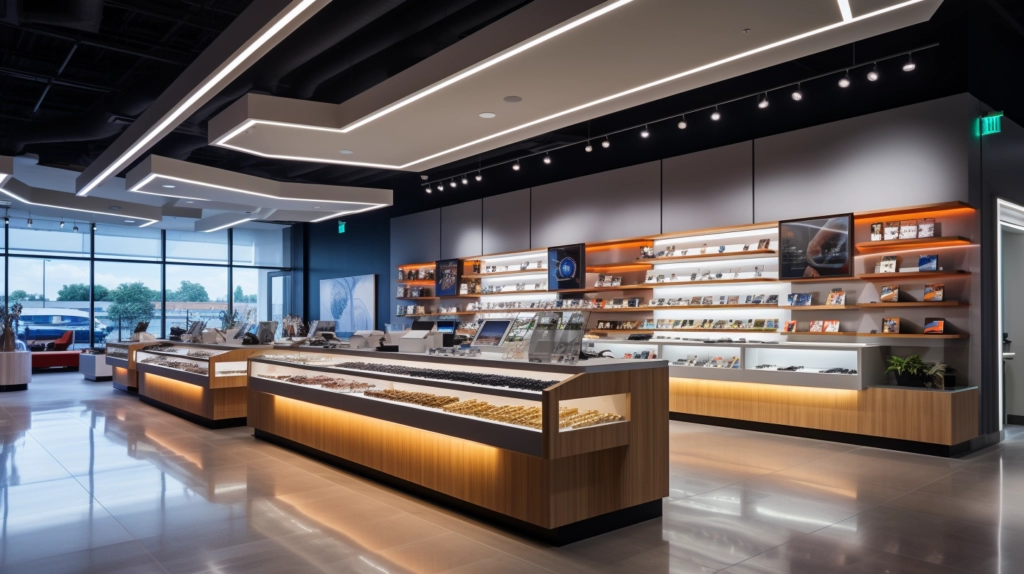
Successful Lighting Setups Across Retail Sectors
Lighting plays a crucial role in various retail sectors, with tailored strategies making a big difference in customer engagement and sales. Here are some examples showing how effective retail lighting design impacts different industries:
- Fashion Stores: Using a blend of accent lighting to highlight new arrivals and ambient lighting to create a welcoming atmosphere, fashion retailers have seen increased dwell time and more purchases. Proper color temperature makes fabrics look vibrant and true to life, influencing shopper perception directly.
- Electronics Retailers: Here, bright task lighting combined with cool-toned LEDs ensures products look sharp and details stand out. This approach helps shoppers assess gadgets more confidently, boosting sales. Strategic lighting directs attention to feature products and promotions.
- Grocery Stores: Bright, evenly distributed ambient retail lighting keeps the space feeling fresh and clean. Accent lighting on fresh produce or special sections encourages shoppers to explore more. Energy-efficient solutions reduce operating costs in these large spaces without sacrificing quality.
Before and After Lighting Makeover Impact
Upgrading store lighting can be a game-changer. Before and after makeover projects show how the right illumination transforms both appearance and performance:
- Increased Sales: Stores with updated product display lighting often report a sales boost of 15-30%, as products become more appealing and easier to explore.
- Enhanced Customer Experience: Shoppers stay longer and feel more comfortable when lighting highlights textures, colors, and store layout clearly. This leads to better engagement and higher likelihood of repeat visits.
- Energy Savings: Switching to energy-efficient LED lighting not only improves product presentation but also reduces electricity bills, especially in large retail spaces.
These examples prove how tailored lighting solutions for retail stores—from fully revamped systems to targeted enhancements—can deliver measurable results in both shopper behavior and operational efficiency.
How Prillumen Can Support Your Visual Merchandising Lighting Needs
When it comes to retail lighting design and boosting your store’s visual appeal, Prillumen stands out with proven expertise tailored to the U.S. market. We understand how lighting in visual merchandising can transform customer experience and drive sales.
Expertise in Retail Lighting Solutions
Prillumen brings years of experience delivering energy-efficient retail lighting solutions that balance function and style. We know how to combine ambient retail lighting, accent lighting in retail spaces, and product display lighting tips to create a cohesive, inviting atmosphere. This helps retailers showcase merchandise at its best, influencing shopper behavior in subtle yet powerful ways.
Customized Lighting Design for Product Display and Brand Image
One size doesn’t fit all when it comes to lighting. We work closely with clients to create custom lighting setups that highlight product features and align with brand personality. Whether you run a fashion boutique, electronics store, or grocery market, our designs boost:
- Product visibility and appeal
- Brand recognition through lighting aesthetics
- Customer engagement through well-planned lighting zones
This tailored approach ensures your lighting supports not just the look of your store but also its unique vibe and sales goals.
Consultation Installation and Support Services
Prillumen offers a full range of services covering all stages:
- Consultation: Assessing your current space and lighting needs to recommend the best solutions.
- Design: Crafting a lighting plan that balances ambient, task, accent, and decorative layers.
- Installation: Professional setup ensuring all lights function efficiently and highlight key areas.
- Ongoing Support: Maintenance advice and quick service to keep your lighting system performing well over time.
By choosing Prillumen, you gain a partner committed to maximizing the impact of your visual merchandising through smart, effective, and compliant lighting strategies designed for U.S. retailers.


 English
  French
  Arabic
  German
  Spanish
  Italian
  Portuguese
  Esperanto
  Greek
Greek  Finnish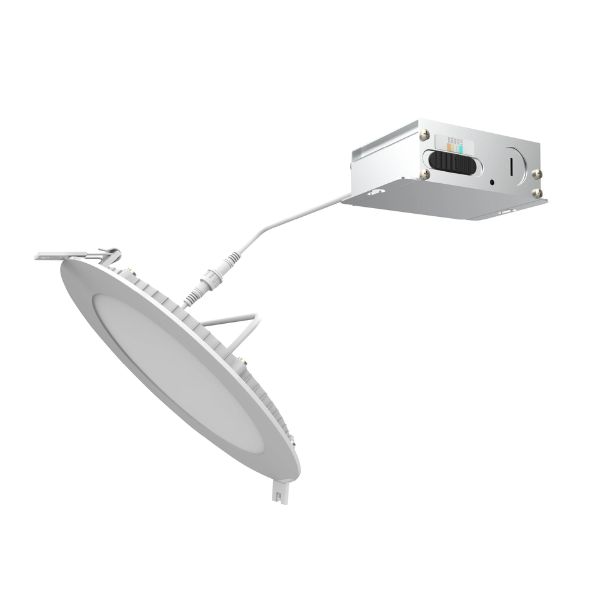

Leave A Comment