
Why Choose LED Lighting for Your Garage
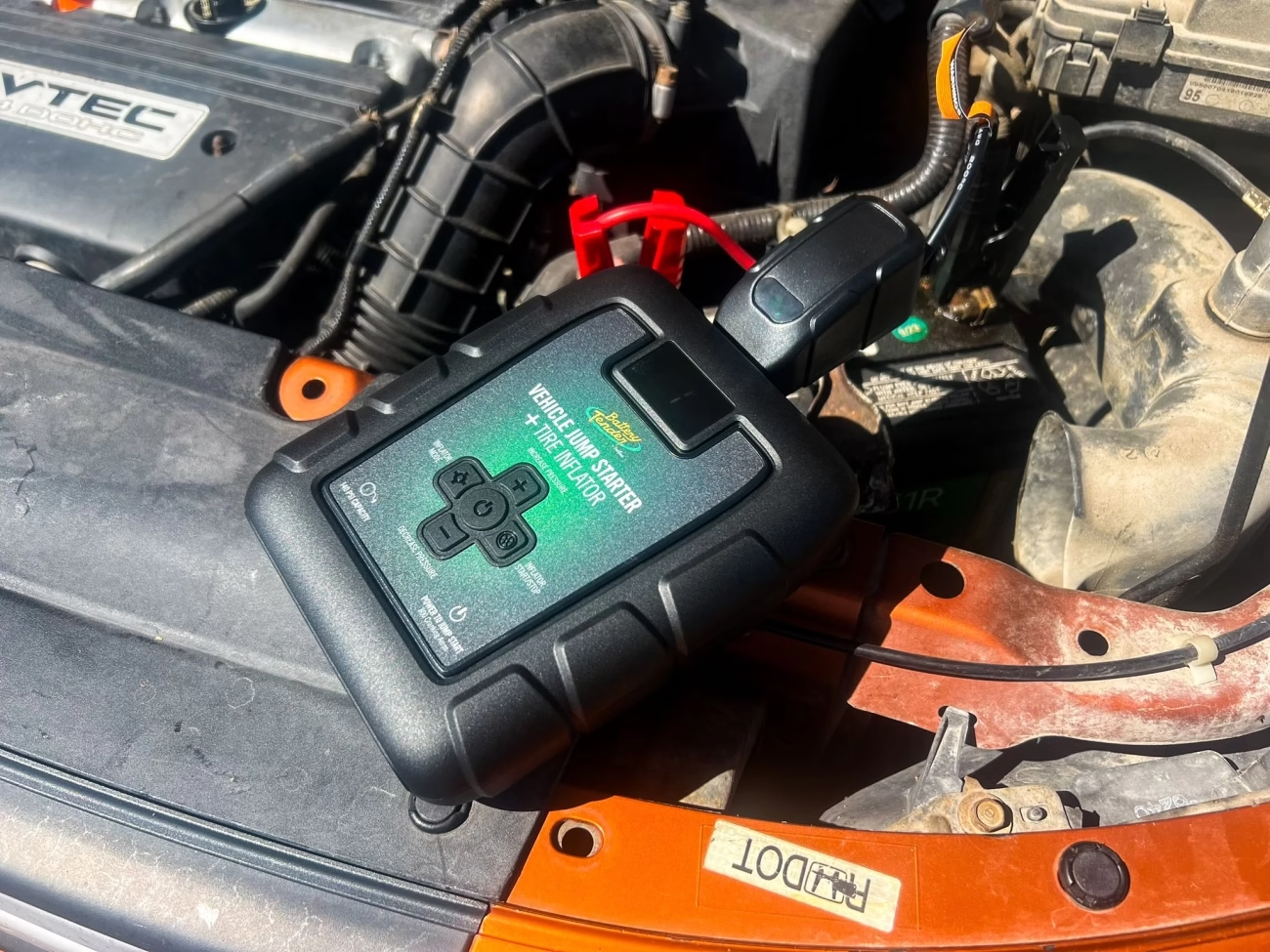
Energy Efficiency for Lower Power Consumption and Savings
LED lighting is a smart upgrade for garages as it uses up to 70% less electricity compared to traditional halogen or fluorescent fixtures. This means lower monthly energy bills, especially if your garage lighting is used frequently for work, storage, or security. The reduced power draw also lessens the strain on electrical systems, making it a cost-effective long-term choice.
Quick facts:
- Consumes less power while providing the same or better brightness
- Lower operating costs over the lifespan of the fittings
- Can pay for itself within 2–3 years through energy savings
Brightness and Visibility for Safety and Productivity
Garages often double as workshops, storage spaces or even home gyms. Good visibility is essential, especially when handling tools or manoeuvring vehicles. Bright LED garage lights can deliver 2,000–10,000 lumens depending on the fixture, which means fewer shadows and clearer visibility.
- Consistent illumination so you can work at any time of day
- Instant full brightness with no warm-up period
- Adjustable colour temperatures (e.g., 4000K for natural daylight or 5000K for brighter white light) for specific needs
Longevity Compared to Traditional Lighting
LED lights are designed to last far longer than incandescent or fluorescent bulbs. Many quality garage LED light fixtures offer lifespans of 50,000 hours or more, which can translate to over 10 years of use without replacement.
| Lighting Type | Average Lifespan (Hours) | Maintenance Frequency |
|---|---|---|
| Incandescent | 1,000–2,000 | Very high |
| Fluorescent Tube | 7,000–15,000 | Moderate |
| LED | 35,000–50,000+ | Very low |
Less frequent replacements mean lower maintenance costs and reduced time spent changing bulbs, especially in difficult-to-access garage ceilings.
Durability and Resistance in Harsh Conditions
Garages can be damp, dusty, or prone to temperature changes. LED lights are resistant to vibrations, impact and environmental factors, making them ideal for such spaces. Many high-quality fittings come with IP65 or IP66 waterproof ratings, protecting against moisture and dust.
- No glass tubes that can shatter
- Operates well in cold temperatures where fluorescents may flicker
- Waterproof LED garage lights ideal for areas with high humidity or condensation
Environmental Benefits and Reduced Carbon Footprint
Switching to energy-efficient garage lighting is not only cost-saving but also environmentally responsible. LEDs produce less CO₂ emissions over their lifespan due to lower energy demand. Unlike fluorescent tubes, they contain no mercury, making disposal safer and more sustainable.
- Less energy wasted as heat
- Complies with UK and EU RoHS environmental standards
- Supports a greener household or business operation
Types of LED Garage Lighting Fixtures
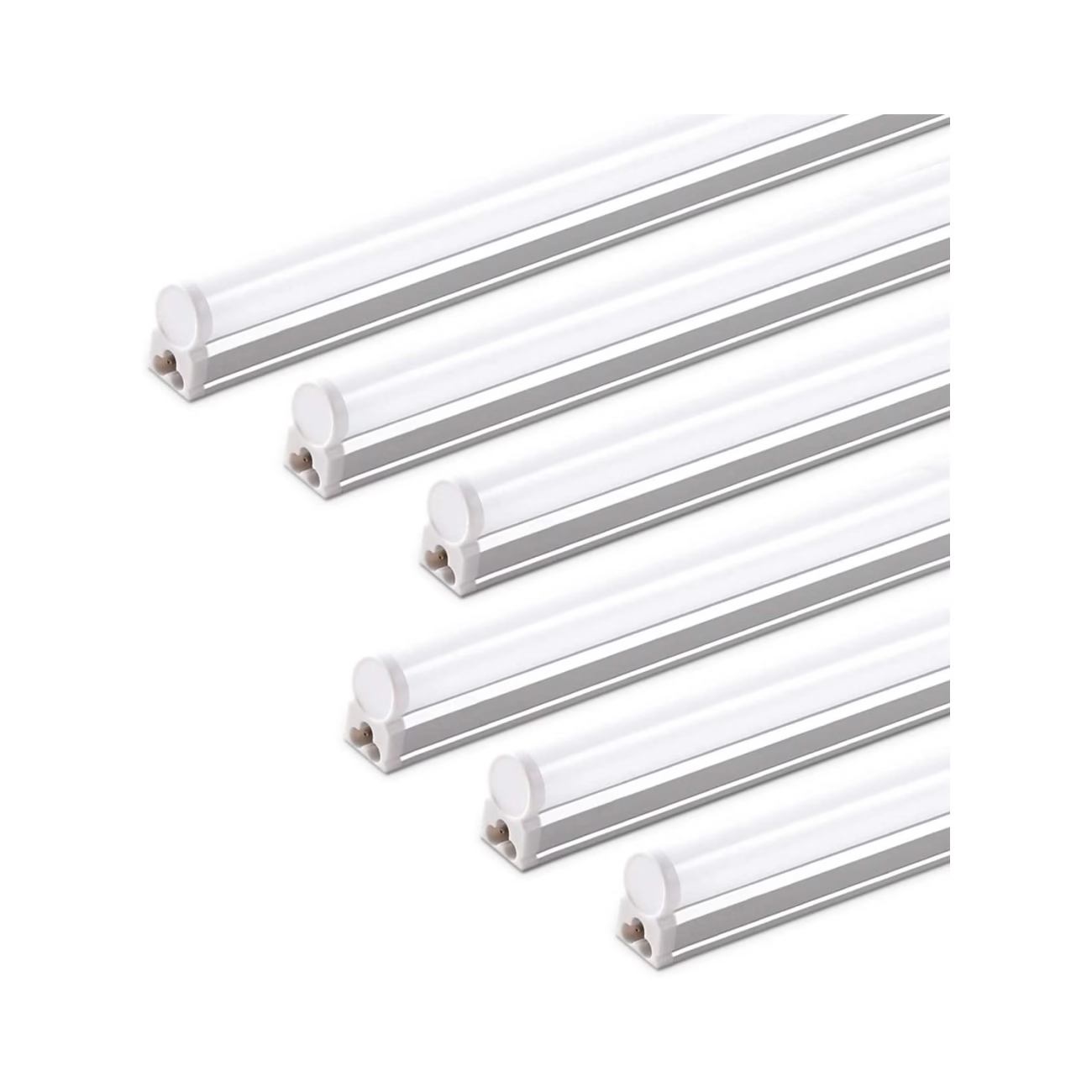
Choosing the right LED lighting for your garage depends on how you use the space, the size, and the conditions inside. Here’s a breakdown of the main options available in the UK and what they’re best suited for.
LED Panel Lights
If you need uniform, wide light coverage with no shadows, panel lights are a solid choice. They work well in garages used as workshops or hobby areas, where clear, even lighting is essential. They’re usually slim, easy to mount and give a modern, clean look.
LED Tube Lights
Designed as a retrofit for old fluorescent fittings, LED tubes are a popular upgrade. They’re easy to swap over, energy efficient, and deliver bright, clear light without the flicker or warm-up time you get from older tubes. Ideal for standard single or double garages.
High Bay LED Lights
If you’ve got a garage with a high ceiling – for example, a space used for storing larger vehicles or for a business – these are built to push strong light down from above. They produce higher lumen output, so they’re perfect for covering big areas from height without dark patches.
Motion Sensor LED Lights
Convenience meets efficiency here. These lights switch on automatically when movement is detected, saving power when you don’t need constant illumination. Great for security, or for when your hands are full and you can’t reach a switch.
Waterproof and Dustproof LED Lights
Garages can be damp, cold, and dusty – especially in the UK. IP65-rated waterproof LED lights are protected against moisture and fine particles, making them the right choice for garages that double up as utility spaces, storage for garden gear, or areas prone to condensation.
Tip: Many people mix fixture types – for example, panel or tube lights for general lighting and a motion sensor waterproof LED over the entrance – to get full coverage and adaptability.
How to Choose the Right LED Lighting for Your Garage
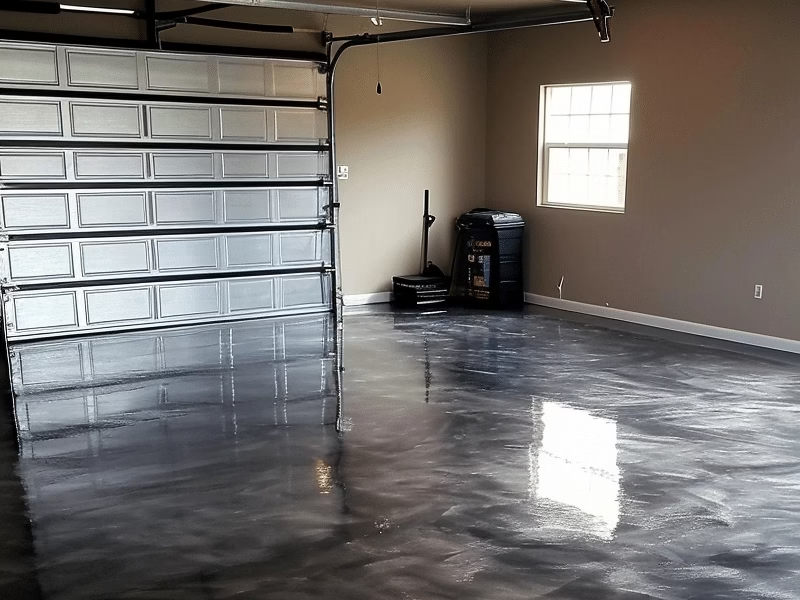
Picking the right LED lighting for your garage depends on your space, how you use it, and the kind of atmosphere you want. Here’s what to consider before buying.
Assess Garage Size and Ceiling Height
The size and height of your garage make a big difference in the type of fixture you’ll need.
- Small single garages: Standard LED tube or panel lights are often enough.
- Large or double garages: Consider multiple fixtures for even lighting.
- High ceilings: High bay LED lights work best as they distribute light over a bigger area.
Brightness and Colour Temperature
LED brightness is measured in lumens – the higher the lumens, the brighter the light. Colour temperature (Kelvin) affects how the light looks.
| Garage Use | Suggested Lumens | Colour Temperature (K) | Lighting Effect |
|---|---|---|---|
| General parking | 3,000–5,000 | 4000K–5000K | Neutral white, clear visibility |
| Workshop tasks | 5,000–8,000 | 5000K–6500K | Cool white, enhances detail |
| Storage areas | 2,000–3,500 | 3000K–4000K | Warm to neutral, softer feel |
Fixture Placement for Even Light
Avoid dark corners or overlit spots by placing fixtures strategically:
- Position LEDs along the length of the garage.
- Space them evenly to reduce shadows.
- Use additional task lighting where needed – e.g. above workbenches.
Energy Ratings and Warranty
- Look for A-rated or above for lower running costs.
- Long warranties (3–5 years) show the brand is confident in its product quality.
You can check more about basic lighting knowledge and efficiency in resources like this guide.
Match Lighting to Garage Usage
Your lighting should suit how you use your garage:
- Workshop: Bright, cool white light with high CRI for true colours.
- Parking: Balanced brightness, neutral tones for visibility without glare.
- Storage: Energy-saving lights on motion sensors for convenience.
For those looking into garage lighting retrofit LED options, especially when replacing old fluorescent fittings, make sure the new LEDs fit your existing setup or come with the right installation kit.
Step by Step LED Lighting Installation Guide for Your Garage
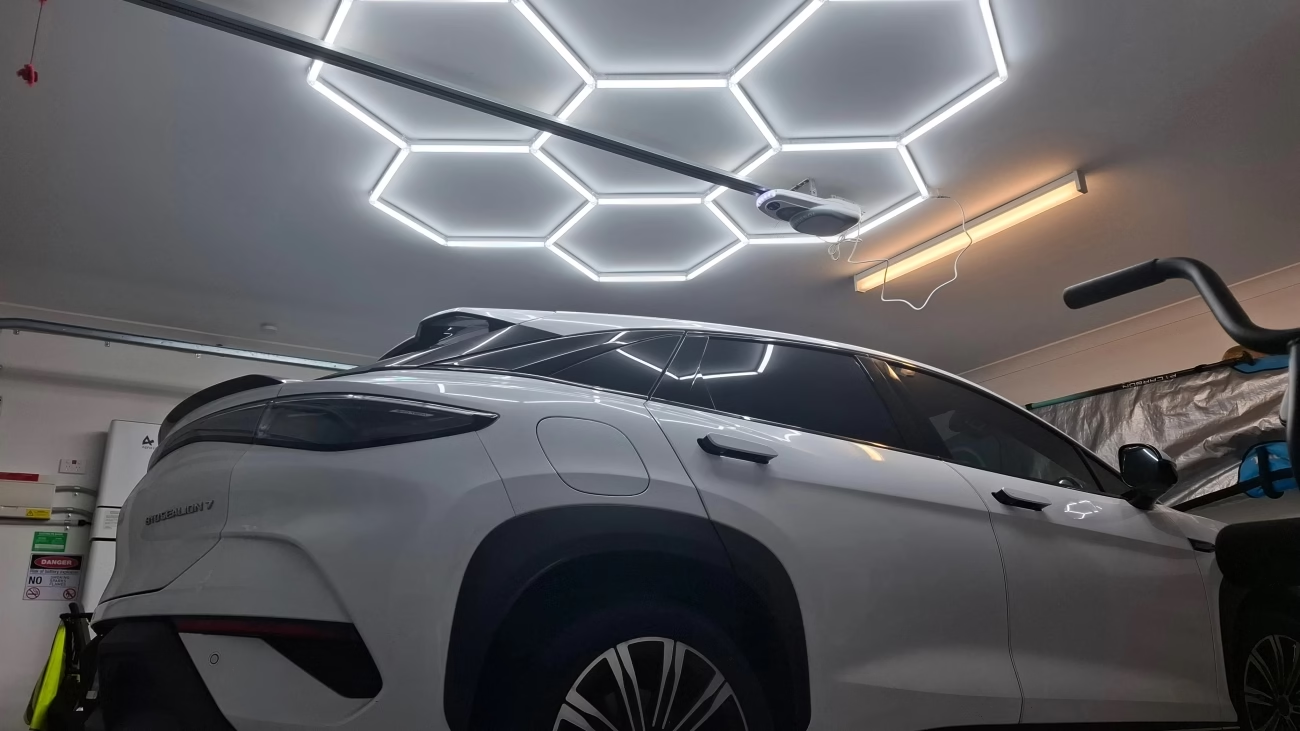
Switching to LED lighting in your garage isn’t complicated, but doing it right ensures safety, good light coverage, and a tidy finish. Here’s a practical guide to follow.
Safety and Preparation Checklist
Before you get started, make sure you:
- Turn off the power at the mains to avoid electric shock.
- Wear insulated gloves and safety glasses.
- Use a sturdy step ladder – garages often have higher ceilings.
- Clear the workspace of vehicles, tools, and clutter for easy access.
Tools and Materials Needed
Essential tools:
- Screwdrivers (flat and Phillips)
- Drill and bits
- Wire strippers and cutters
- Voltage tester
- Measuring tape and pencil
Materials:
- LED garage light fixtures (panel, tube, or high bay)
- Mounting brackets or suspension kit
- Suitable screws and wall plugs
- Cable ties for neat wiring
- Electrical tape or WAGO connectors
Installation Process for Different Fixture Types
1. LED Tube Lights (Retrofit for Fluorescent Fixtures)
- Remove old fluorescent tubes and ballast (if necessary).
- Connect new LED tubes directly to live and neutral wires.
- Secure tubes into the existing fixture.
2. LED Panel Lights
- Fix mounting frame to the ceiling or wall.
- Connect wiring following manufacturer instructions.
- Fit panel into the frame and secure.
3. High Bay LED Lights (For High Ceilings)
- Install suspension hooks or brackets.
- Wire the unit to mains, ensuring safe insulation.
- Hang or fix securely at the recommended height.
4. Motion Sensor LED Lights
- Position sensor where it has a clear view of the garage area.
- Follow wiring diagrams provided.
- Test sensitivity and range adjustments after installation.
Tips for Wiring and Mounting
- Measure twice, drill once to avoid misaligned fixtures.
- Keep wiring away from damp spots and moving parts.
- Use cable trunking for a professional, neat look.
- Follow UK electrical regulations or hire a qualified electrician if unsure.
Testing Your New LED Garage Lighting
Once installed:
- Restore power at the mains.
- Switch on and check all lights are working.
- For motion sensor LEDs, walk through trigger zones to confirm operation.
- Assess light spread – adjust angle or height if necessary.
Maintenance Tips to Maximise LED Light Performance in Your Garage

Keeping LED garage lights in top shape isn’t complicated, but a bit of regular care will make them last longer, perform better and keep running costs low.
Regular Cleaning to Avoid Dust Build Up
Garages collect dust, cobwebs, and sometimes even oily residue from tools and vehicles. Over time, this can dull the brightness of your LEDs.
- Turn off the power first for safety.
- Use a soft, dry cloth or a slightly damp microfibre cloth – avoid harsh chemicals.
- Wipe lenses, housings and surrounding surfaces so light isn’t blocked.
- For waterproof LED garage lights, you can use a mild soapy water wipe, but check the fixture’s IP rating first.
Periodic Inspection for Damage or Wear
LEDs last much longer than fluorescents, but fixtures can still suffer from:
- Loose fittings or sagging mounts.
- Cracked or discoloured covers.
- Damaged wiring, especially in older garages or damp areas.
A quick look every few months means you catch issues before they become a bigger problem.
When and How to Replace LED Bulbs or Fixtures
While many LED tube lights for garages and integrated fixtures can last 25,000+ hours, they will eventually dim or fail.
- If a light loses brightness or starts flickering, replacement is often the best option.
- For plug-and-play tube LEDs, simply swap like-for-like (check wattage and length).
- For integrated or panel fittings, the whole unit may need replacing – factor in a similar beam angle and lumen output to keep lighting even.
Troubleshooting Common LED Lighting Issues
Even the best LED lights for garages can have the odd hiccup:
- Flickering: Check wiring connections, dimmer compatibility, or voltage fluctuations.
- Partial Lighting: One strip or half the panel may fail due to a faulty driver – this usually needs a new part or unit.
- Light Won’t Turn On: Inspect for tripped breakers, faulty switches, or power supply problems before blaming the light.
- Motion Sensor Not Responding: Wipe the sensor lens clean and check its settings – sometimes dust or low temperatures can reduce sensitivity.
A few minutes every so often will keep your garage LED light fixtures working at their brightest, cut down on replacement costs, and make sure your garage stays safe and well-lit.
How Prillumen Light Can Help You Brighten Your Garage
LED Products Designed for UK Garages
Prillumen Light offers a range of garage LED light fixtures built specifically for the needs of UK homes and workshops. Whether you use your garage for parking, storage, or as a working space, there’s a solution to match. Their lineup includes:
- LED tube lights for garage retrofits – perfect for replacing old fluorescent fittings.
- High lumen LED panels – for wider, uniform light coverage.
- Motion sensor garage lights (LED) – convenient and energy-saving for quick access.
- Waterproof and dustproof LED fittings – ideal for garages with moisture, drafts, or dust.
Key Features of Prillumen Garage LED Lights
Prillumen focuses on efficiency, durability, and flexibility – the things that matter most when it comes to garage lighting.
- Energy-efficient – Low power use means cheaper electricity bills.
- Durable build – Resistant to damp, dust, and temperature changes common in UK garages.
- Flexible designs – Suitable for low or high ceilings, large or small spaces.
- Consistent brightness – High lumen output for safe, well-lit working conditions.
Real Feedback from UK Customers
Many UK customers highlight how switching to Prillumen LEDs transformed their garage space:
- “I replaced my flickering tubes with Prillumen LED panels – the difference is night and day.” – Dave, Manchester.
- “Installed motion sensor LEDs in my workshop garage. Saves energy and always ready to go.” – Sarah, Bristol.
Support and Installation Services
Prillumen not only supplies the best LED lights for garage use but also offers support and installation services:
- Advice on choosing the right wattage and lumens for your space.
- Professional LED garage lighting installation across the UK.
- Aftercare service including warranty support and replacement guidance.
Cost Benefit Analysis LED vs Traditional Garage Lighting
When you weigh up LED lighting against the old-style fluorescent or halogen fittings for your garage, there are a few clear wins that make LEDs stand out — especially in terms of running costs, performance, and property value.
Upfront Cost Comparison
LED garage lights do cost more upfront than standard bulbs or tubes. However, the gap is closing as prices drop and more options become available in UK hardware stores and online.
- LED Tube Light (per 4ft fitting): £15–£25
- Fluorescent Tube (per 4ft fitting): £5–£10
- LED High Bay Light: Around £50–£80
- Halogen Floodlight: Around £20–£40
While initial spend is higher for LED, the fact they last years longer means you’re not replacing them anywhere near as often — cutting out frequent purchase costs and the hassle of changes.
Energy Cost Savings Over Time
LED garage lighting is far cheaper to run because it uses up to 70% less electricity than older lighting types.
Example for a typical UK single garage (using lights 3–4 hours a day, 5 days a week):
| Lighting Type | Power Usage | Annual Electricity Cost* | Lifespan (Hours) |
|---|---|---|---|
| LED Tube Light (20W) | Low | ~£7–£10 | 30,000–50,000 |
| Fluorescent Tube (36W) | Medium | ~£13–£18 | 8,000–12,000 |
| Halogen Flood (150W) | High | £50+ | 2,000–3,000 |
*Based on UK average electricity rate of 27p per kWh in 2024.
Over several years, the electricity savings alone can pay for the LEDs, and thereafter the reduced costs keep adding up.
Impact on Property Value and Aesthetics
Good LED lighting doesn’t just save money — it adds value.
- Better visibility: Brighter, even light makes a garage more functional for work, hobbies, or storage.
- Lower maintenance appeal: Future buyers know they won’t need to change bulbs for years.
- Modern finish: Sleek LED fixtures improve the overall look, which adds to the property’s perceived quality.
- Eco-friendly boost: Energy-efficient features are increasingly appreciated in the UK housing market.
For many homeowners, upgrading to energy-efficient LED garage lighting is both a practical and financial decision — cutting bills, reducing upkeep, and improving the property’s feel.
Frequently Asked Questions About LED Garage Lighting
How much LED lighting do I need for my garage
The amount of LED lighting you’ll need depends on garage size, ceiling height, and intended use.
- For a single garage (about 18m²), aim for 3,000–4,000 lumens if used for parking only.
- For double garages (about 36m²), around 6,000–8,000 lumens works well.
- If you use your garage as a workshop, increase brightness to 8,000–12,000 lumens for detailed work.
Tip: Spread lighting evenly using multiple fixtures to avoid shadows.
Can I install LED lights myself
Yes, most garage LED light fixtures can be installed as a DIY project, especially plug-and-play LED tubes or panels.
- If you’re replacing existing fittings, match the wiring setup.
- For new wiring or high bay installations, it’s safer to use a qualified electrician.
Safety First: Always switch off the power at the consumer unit before starting.
Are LED lights safe for garage use
Yes, LEDs are safer than traditional bulbs because:
- They run cooler, reducing the risk of overheating.
- High-quality models come waterproof (IP65) or dustproof, making them ideal for damp or dusty garages.
- They’re also shatter-resistant, so less chance of glass breakage.
What colour temperature is best for garages
For most UK garages:
- Cool white (4,000–5,000K) gives crisp, bright light for general use.
- Daylight (5,500–6,500K) works best for workshops where colour accuracy matters.
- Warm white is rarely chosen for garages as it tends to be softer and less focused.
How do motion sensor LEDs work in garages
Motion sensor LED garage lights detect movement using PIR (Passive Infrared) or microwave sensors.
- They switch on automatically when you enter, and turn off after a set time.
- Ideal for hands-free operation when carrying tools or shopping.
- Helps save energy by ensuring lights aren’t left on unnecessarily.






 English
  French
  Arabic
  German
  Spanish
  Italian
  Portuguese
  Esperanto
  Greek
Greek  Finnish


Leave A Comment