
If you’ve ever wondered what a lighting control module is and why it’s so essential in modern lighting setups, you’re in the right place.
These compact yet powerful devices are the brains behind أنظمة الإضاءة الذكية, managing on/off control, dimming, and even automated responses from sensors or schedules. Whether you’re upgrading a home, optimizing an office, or designing an energy‑efficient building, the right lighting control module can transform both الوظائفية و efficiency.
In this guide, I’ll break down exactly what a lighting control module does, how it works, the different types available, and how to choose one that fits your needs perfectly. Let’s get started.
Definition of a Lighting Control Module

A cURL Too many subrequests. cURL Too many subrequests. cURL Too many subrequests. cURL Too many subrequests.
cURL Too many subrequests. cURL Too many subrequests. cURL Too many subrequests. cURL Too many subrequests.cURL Too many subrequests.
Core Functions and Purpose
cURL Too many subrequests. cURL Too many subrequests. cURL Too many subrequests.
- cURL Too many subrequests. cURL Too many subrequests.
- cURL Too many subrequests. cURL Too many subrequests.
- cURL Too many subrequests. cURL Too many subrequests.
- Integration cURL Too many subrequests. lighting automation devices such as motion sensors or timers
- cURL Too many subrequests. with building automation or smart home hubs for centralized control
In commercial or industrial environments, these modules can also link multiple control zones, improving الكفاءة في استهلاك الطاقة and extending equipment lifespan.
How It Fits in a Lighting Control System
In a full lighting control solution, the lighting control module sits at the center of the operation. It acts as the middle layer between:
- User inputs (switches, dimmers, control panels, mobile apps)
- Automation triggers (occupancy sensors, daylight sensors, schedules)
- Output devices (LED fixtures, fluorescent lights, outdoor lighting)
This layered setup makes it possible to tailor lighting behavior to specific needs, optimize electricity usage, and provide seamless control whether you’re in a residential setting, managing a commercial office, or operating a large industrial facility.
When connected through wired or wireless lighting controls, these modules become part of a scalable and programmable lighting control system, adapting easily as requirements change.
How Lighting Control Modules Work
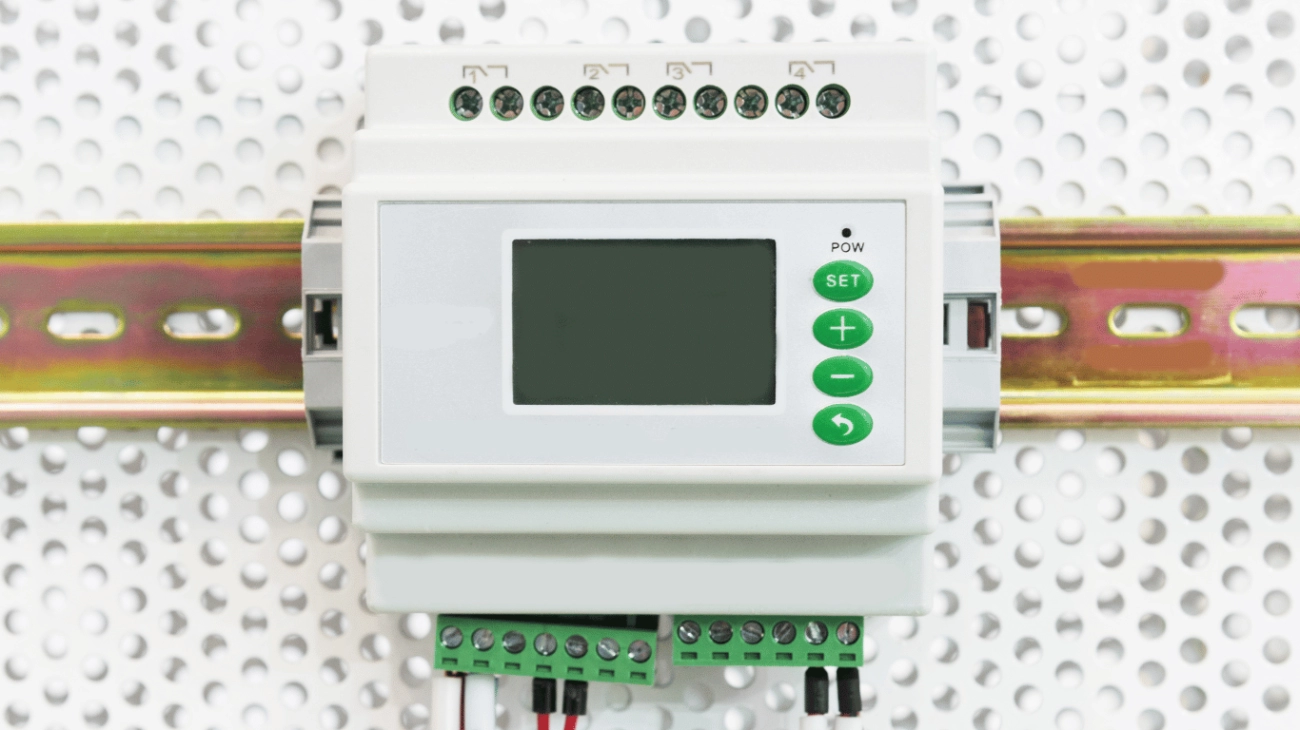
Basic Operation Principles
A cURL Too many subrequests. acts like the “brain” for your lights. It receives power, takes control instructions, and then sends the right output to the fixtures. At the most basic level, it’s switching lights on or off, dimming them, or triggering specific pre-set scenes. The module processes commands from connected devices or a central controller and adjusts the lighting accordingly, whether that means brightening up a room when someone walks in or dimming during certain times of day to save energy.
Communication with Other Devices
Lighting control modules rarely work alone—they connect and talk to other lighting control system components:
- Sensors: Motion or occupancy sensors can tell the module when someone is in the room, prompting lights to turn on automatically.
- Switches: Wall switches or keypads send manual commands for on/off or dimming.
- Dimmers: A dimming control module can adjust light levels instantly or gradually.
- Timers: Built-in or central timers automate operating schedules.
Some modules use wired connections (common in larger installations) for stability, while cURL Too many subrequests. cURL Too many subrequests.
Integration with Smart Home and Commercial Building Systems
cURL Too many subrequests. cURL Too many subrequests.cURL Too many subrequests.
- cURL Too many subrequests. cURL Too many subrequests.
- cURL Too many subrequests. cURL Too many subrequests.
- cURL Too many subrequests. cURL Too many subrequests..
cURL Too many subrequests. cURL Too many subrequests. or cURL Too many subrequests.cURL Too many subrequests. cURL Too many subrequests.cURL Too many subrequests.
Types of Lighting Control Modules
cURL Too many subrequests.
Standalone vs Networked Lighting Modules
- cURL Too many subrequests. cURL Too many subrequests. small projects, single-room setups, or spaces where you don’t need complex automation.
- Networked modules connect to a larger lighting control panel or building automation system. These are common in offices, retail, hotels, and large homes, where multiple zones need centralized control and programming.
Wired vs Wireless Lighting Modules
- Wired modules use physical cables to connect to switches, dimmers, or control panels. They’re very reliable, have low signal interference, and work well in new construction or major renovations.
- Wireless modules use RF, Wi‑Fi, or Zigbee communication. They’re perfect for retrofits or spaces where running cables is difficult. Wireless options often pair well with cURL Too many subrequests. for app and voice control.
Residential, Commercial, and Industrial Applications
- cURL Too many subrequests. – Used for أنظمة المنزل الذكي, dimming control modules, and energy-efficient lighting setups. Can integrate with voice assistants مثل أليكسا أو جوجل هوم.
- cURL Too many subrequests. – Designed for إضاءة المكتب, retail displays, and hospitality spaces. Often programmed for automatic daylight dimming, occupancy sensing, and scene control.
- صناعي – Built for warehouses, manufacturing plants, and large facilities. These modules are heavy‑duty, support high power ratings, and meet strict safety standards.
Here’s a quick comparison:
| cURL Too many subrequests. | أفضل للاستخدام | المميزات | Considerations |
|---|---|---|---|
| Standalone | Small rooms, basic setups | Easy to install, low cost | Limited control features |
| Networked | Large homes, offices, hotels | Centralized control, automation-ready | Higher cost, needs system integration |
| Wired | cURL Too many subrequests. | cURL Too many subrequests. | cURL Too many subrequests. |
| لاسلكي | cURL Too many subrequests. | cURL Too many subrequests. | cURL Too many subrequests. |
Key Features and Specifications of a Lighting Control Module
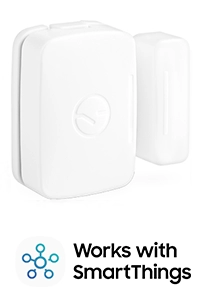
cURL Too many subrequests. cURL Too many subrequests. cURL Too many subrequests.
Compatibility with Fixtures and Protocols
cURL Too many subrequests.
- cURL Too many subrequests.cURL Too many subrequests.
- cURL Too many subrequests.cURL Too many subrequests. cURL Too many subrequests., DALI, cURL Too many subrequests., أو cURL Too many subrequests. cURL Too many subrequests.
- cURL Too many subrequests.: Make sure it works with your existing lighting control system components, like sensors, switches, or smart home hubs.
Control Methods Available
The way your lighting control module handles commands makes a huge difference in flexibility and energy savings. Look for:
- On/Off Control – Simple switching for basic needs.
- Dimming Control – Adjust brightness to reduce energy use and create different atmospheres.
- Scene Control – Pre-programmed lighting “scenes” for quick changes in mood or function.
- Time Scheduling – Automatic on/off based on set times.
نصيحة: If you’re using it in a smart building or home, check for app control or voice assistant support (Alexa, Google Home, etc.).
Power Ratings and Safety Standards
Power handling and safety certification are non‑negotiable when it comes to reliability and compliance.
| المواصفة | ما الذي يجب التحقق منه |
|---|---|
| Voltage Rating | Matches your system (typically 120V or 277V in the U.S.) |
| Load Capacity | Total wattage it can handle without overheating |
| الشهادات | cURL Too many subrequests., ETL-listed, or compliant with NEC standards |
| Overload Protection | Built-in safeguards against surges or electrical faults |
| Operating Temperature | Suitable for your environment (especially outdoors or in warehouses) |
cURL Too many subrequests. A lighting control module is only as good as its match with your fixtures, its smart control flexibility, and its ability to operate safely under your actual load conditions.
Benefits of Using Lighting Control Modules
Lighting control modules do more than just switch lights on and off — they bring efficiency, control, and convenience into homes, offices, and industrial spaces. Here’s why they’re worth considering.
cURL Too many subrequests.
Lighting is one of the biggest energy costs in most buildings. A cURL Too many subrequests. helps cut waste by:
- Dimming lights when full brightness isn’t needed
- Turning off lights in empty rooms using sensors
- Adjusting brightness based on daylight levels
- Integrating with cURL Too many subrequests. cURL Too many subrequests.
cURL Too many subrequests. cURL Too many subrequests. cURL Too many subrequests. cURL Too many subrequests..
Enhanced Control and Flexibility
cURL Too many subrequests.
- cURL Too many subrequests. cURL Too many subrequests.
- cURL Too many subrequests. cURL Too many subrequests.
- التحكم عن بعد cURL Too many subrequests.
- cURL Too many subrequests. wired or wireless lighting controls cURL Too many subrequests.
cURL Too many subrequests.
Improved User Experience and Convenience
cURL Too many subrequests.
- cURL Too many subrequests. cURL Too many subrequests. or cURL Too many subrequests.
- cURL Too many subrequests.
- Can sync with other smart devices for one-touch control (shades, HVAC, security)
- Supports voice control through systems like Alexa, Google Assistant, or Apple HomeKit
It’s the kind of setup you quickly get used to — and don’t want to give up.
Contribution to Smart Building Automation
Lighting control modules are a core part of smart building systems in both residential and commercial projects:
- Integrate with building management systems (BMS) for centralized control
- Enable data tracking for usage patterns and maintenance needs
- Support demand response programs to reduce strain on the power grid
- Improve comfort, safety, and energy compliance across the property
Typical Applications of Lighting Control Modules
Lighting control modules are used in many different environments to improve energy efficiency, convenience, and automation. Here’s where you’ll typically find them in use:
Residential Smart Lighting
cURL Too many subrequests. cURL Too many subrequests. give you full control over brightness, schedules, and mood settings. They can connect to voice assistants, mobile apps, or wall switches for simple operation. Common uses include:
- Scheduled lighting for mornings, evenings, or vacations for security
- cURL Too many subrequests. for living rooms, bedrooms, and home theaters
- Scene settings for dining, reading, or entertaining
- Outdoor safety lighting that turns on at dusk automatically
Commercial Office Lighting
In offices, building lighting control solutions help reduce energy costs and meet workplace comfort standards. They often tie into cURL Too many subrequests. or central management systems. Popular uses include:
- Automatic shut-off in empty meeting rooms
- Daylight harvesting, adjusting light levels based on available sunlight
- Zoned lighting control for open work areas and private offices
- Integration with building automation systems for centralized control
Industrial and Warehouse Settings
For larger facilities, industrial lighting control devices are designed for durability and efficiency. They handle higher power loads and provide control in challenging conditions. Common uses include:
- Motion-activated lighting cURL Too many subrequests.
- cURL Too many subrequests. cURL Too many subrequests.
- cURL Too many subrequests. cURL Too many subrequests.
- cURL Too many subrequests. cURL Too many subrequests.
Outdoor and Landscape Lighting
cURL Too many subrequests. cURL Too many subrequests.cURL Too many subrequests.
- cURL Too many subrequests. cURL Too many subrequests.
- cURL Too many subrequests. cURL Too many subrequests.
- cURL Too many subrequests. cURL Too many subrequests.
- التحكم عن بعد cURL Too many subrequests.
cURL Too many subrequests. cURL Too many subrequests. cURL Too many subrequests.
Installation Basics for Lighting Control Modules
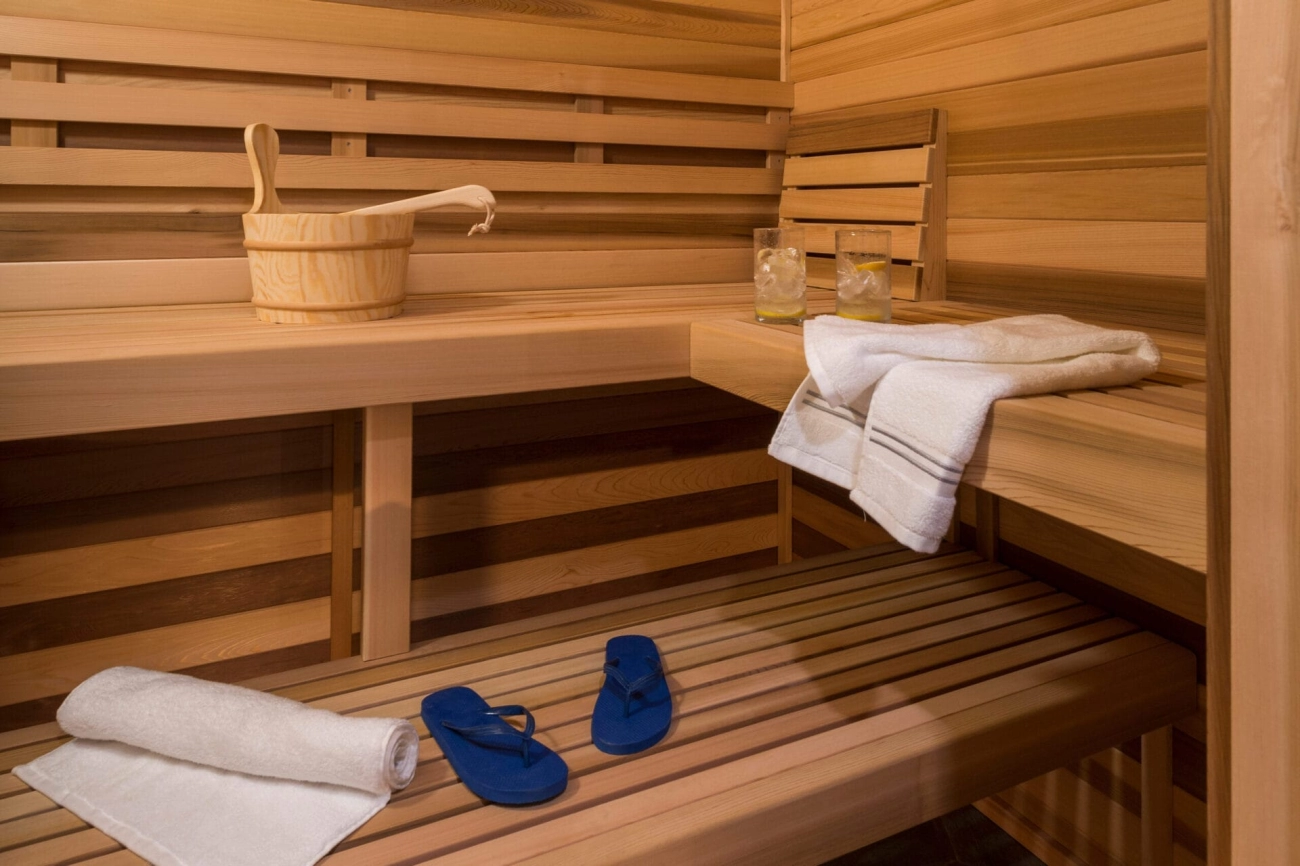
تركيب cURL Too many subrequests. can range from a simple plug-and-play swap to a more involved electrical project, depending on the type of system and where it’s being used. Whether you’re setting up for a home, office, or warehouse, the approach changes based on wiring, load requirements, and control features.
Common Installation Scenarios
Here are the most common ways lighting control modules are installed in the U.S.:
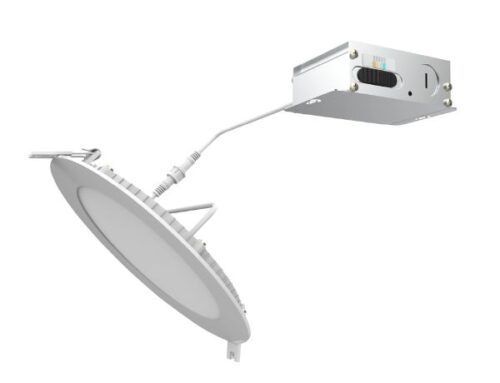
- In-wall or ceiling-mounted – Used to replace a standard light switch or dimmer, ideal for upgrading to smart or automated lighting.
- Panel-based installation – Common in commercial settings, the module is installed in the lighting control panel to manage multiple circuits.
- Plug-in module installation – A quick solution for lamps or small fixtures, often part of wireless lighting controls.
- Outdoor and landscape setups – Enclosed weatherproof modules that handle moisture and temperature changes.
Professional vs DIY Considerations
Not every installation is a weekend project. Here’s a quick guide:
- DIY friendly – Plug-in smart lighting modules, wireless add-ons that don’t require rewiring, and battery-powered controllers.
- Professional recommended – Hardwired modules, systems tied into commercial building lighting control solutions, or anything involving high-voltage connections for safety and code compliance.
- Local code compliance – Always check regional electrical codes (like NEC in the U.S.) before starting.
نصيحة: In many states, certain building lighting control projects legally require a licensed electrician.
Tips for Safe and Effective Installation
To get the best performance and avoid costly mistakes, follow these essentials:
- إيقاف تشغيل الطاقة at the breaker before handling any wiring.
- Read the manufacturer’s guide for wiring diagrams and compatible loads.
- Verify compatibility with your fixtures, dimming method, and control protocol (e.g., 0-10V, DALI, Zigbee, Z-Wave).
- Allow ventilation space for heat dissipation, especially with dimming control modules.
- cURL Too many subrequests. before finalizing installation to ensure all scenes and functions work as intended.
- Use proper tools like a voltage tester, wire strippers, and a proper junction box for safety.
How Prillumen Light Supports Your Lighting Control Needs
Prillumen Light Lighting Control Module Solutions
يقدم Prillumen Light wide range of lighting control modules designed for both residential and commercial projects in the U.S. The lineup includes dimming control modules, wireless lighting controls, and programmable lighting modules, all built to integrate easily with popular lighting control system components. Whether you need a standalone device for a single room or a networked module for a large building, Prillumen Light has an option that fits.
What Sets Prillumen Light Apart
Prillumen Light focuses on quality, innovation, and local support, giving customers the reliability they expect along with modern features:
- High-quality builds for long-term performance in U.S. conditions.
- Innovative designs cURL Too many subrequests.
- cURL Too many subrequests.cURL Too many subrequests.
- cURL Too many subrequests. cURL Too many subrequests.
cURL Too many subrequests.
cURL Too many subrequests.
- cURL Too many subrequests. cURL Too many subrequests.
- cURL Too many subrequests. cURL Too many subrequests.
- التوافقية cURL Too many subrequests.
- cURL Too many subrequests. cURL Too many subrequests.
- cURL Too many subrequests. cURL Too many subrequests.
cURL Too many subrequests. cURL Too many subrequests. cURL Too many subrequests. cURL Too many subrequests..


 Arabic
  English
  French
  German
  Spanish
  Italian
  Portuguese
  Esperanto
  Greek
Greek  Finnish

اترك تعليقًا