

Imagine a sudden power outage in a bustling commercial building—hallways plunge into darkness, panic sets in, and everyone scrambles to find safety. This is exactly why emergency lights for commercial buildings aren’t just an option; they’re a lifeline. These battery-backed fixtures kick in instantly, lighting up exit routes and ensuring safe evacuation when it matters most. But with strict regulations like NFPA 101 and OSHA standards, plus unique local building codes, choosing the right system can feel overwhelming. In this guide, you’ll discover how to stay fully compliant, select the best LED emergency lights tailored for your space, and maintain them effortlessly—plus why Prillumen Light’s cutting-edge solutions are designed to keep your building safe and up to code, no matter the challenge.
Understanding Emergency Lights for Commercial Buildings Regulations
Every commercial building must prioritise emergency lighting compliance to ensure safety and meet legal obligations. Navigating the complex web of codes and standards can be daunting, but understanding core requirements is essential to protect occupants and reduce liability risks.
Key Regulations for Commercial Emergency Lighting
At the heart of emergency egress lighting standards are several critical codes:
- NFPA 101 Life Safety Code: Sets comprehensive guidelines on exit routes, illumination levels, and emergency lighting duration, typically requiring at least a 90-minute runtime for illumination during power outages.
- OSHA Egress Standards: Focuses on workplace safety ensuring that emergency lighting clearly marks exit paths and complies with illumination requirements for safe evacuation.
- International Building Code (IBC): Often adopted with state-specific adaptations, the IBC stipulates installation, placement, and maintenance standards for emergency lighting.
Local Variations Influence Compliance
Regulations do not stop at federal or international standards. Certain regions impose additional requirements tailored to local risks or policies, such as:
- California’s Title 24: Demands rigorous energy efficiency and specific testing protocols for emergency lighting in commercial spaces.
- Florida’s Hurricane-Resilient Codes: Requires waterproof, wind-resistant emergency fixtures designed to withstand extreme weather conditions common in the region.
Failure to comply with these variations can compromise safety and legality.
Risks and Consequences of Non-Compliance
Ignoring or misunderstanding emergency light regulations can lead to serious repercussions:
- Fines and Penalties: Regulatory bodies impose heavy fines for inadequate emergency lighting, which can escalate with repeat offences.
- Insurance Premium Increases: Non-compliance may trigger higher insurance costs or denial of claims in the event of an incident.
- Liability Exposure: Inadequate emergency lighting significantly increases legal liability if injury or death occurs during an evacuation.
Quick Reference Table for Emergency Lighting Regulations
| Regulation Body | Key Requirements | Applicability | Notes |
|---|---|---|---|
| NFPA 101 | 90-minute illumination, regular testing | All commercial buildings | Basis for many local codes |
| OSHA Egress Standards | Clear, continuous exit route lighting | Workplaces across the US | Enforced by workplace safety authorities |
| International Building Code (IBC) | Placement, installation specifics | Most US states and territories | Often modified locally |
| California Title 24 | Energy efficiency, mandatory testing | California commercial premises | Strict testing frequencies |
| Florida Hurricane-Resilient | Weatherproof, durable fixtures | Florida, storm-prone locations | High durability standards |
Understanding these critical elements ensures your commercial building meets safety codes and avoids costly setbacks. Keeping abreast of regulations—especially local adaptations—is key to effective emergency lighting strategies.
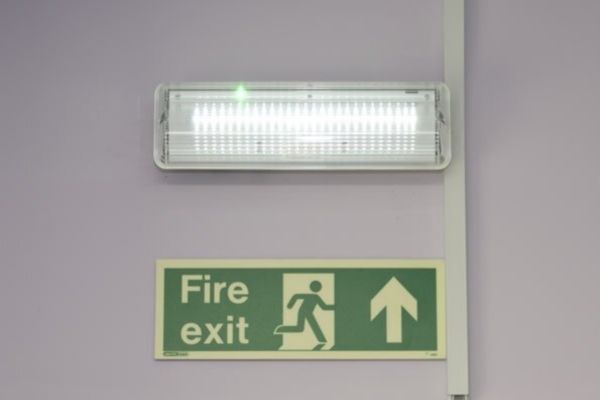
Types of Emergency Lights for Commercial Buildings Choosing the Right Fit for Your Space
When it comes to emergency lights for commercial buildings, picking the right type is crucial for safety and compliance. Different spaces have different needs, so let’s break down the main categories and what suits each environment best.
Emergency Lights by Environment
-
Wall or Ceiling Mounted Lights for Offices
Offices usually require standard emergency lights mounted on walls or ceilings. These provide adequate illumination for egress corridors and common areas without being overpowering.
-
High-Lumen Industrial Lights for Warehouses
Large industrial spaces like warehouses need high-lumen emergency lights. These deliver strong, wide-reaching illumination to cover vast areas and high ceilings, ensuring safe evacuation routes.
-
Combo Exit Emergency Lights for Retail
Retail environments benefit from combo units that combine exit signs with emergency lights. These devices save space and clearly mark evacuation paths while providing necessary lighting.
Why LED Emergency Lights are the Best Choice
LED lights are becoming the go-to option for commercial egress lighting for several reasons:
- Energy Savings – LEDs use considerably less energy than traditional bulbs, which helps cut operating costs.
- Longer Lifespan – They last much longer, meaning fewer replacements and less maintenance.
- Low Heat Emissions – LEDs stay cool, reducing fire risk and making them safer to use over long periods.
Prillumen Light Adjustable Dual-Head LED Models
One great option is the Prillumen Light adjustable dual-head LED emergency lights. These come with:
- Remote control options allowing easy testing and management.
- Dual heads that can be aimed to cover specific areas.
- UL 924 listed fixtures that meet strict safety standards, including a 90-minute runtime.
These models are designed to be flexible and easy to integrate into any commercial setting, whether it’s an office, warehouse, or retail space.
LED versus Battery and Generator Backup Systems Pros and Cons
| Feature | LED Emergency Lights | Battery Backup Lights | Generator Backup Systems |
|---|---|---|---|
| Energy Efficiency | Very high – low energy usage | Moderate – relies on battery power | Low – generators consume more fuel |
| Lifespan | Long-lasting (up to 50,000 hours approx.) | Moderate – batteries degrade over time | Dependent on generator maintenance |
| Maintenance | Low – minimal replacement needed | Requires regular battery checks | High – fuel, oil, and parts upkeep |
| Reliability | Highly reliable with self-testing features | Reliable if batteries are in good shape | Can provide extended power but may fail |
| Installation | Relatively simple and adaptable | Requires battery housing and wiring | Complex wiring and space requirements |
| Cost | Higher upfront, lower over time | Lower upfront, higher replacement costs | High initial and running costs |
Choosing the right emergency lights depends on your building type, budget, and compliance needs. For most UK commercial buildings, LED models like Prillumen Light offer the best balance of reliability, efficiency, and cost-effectiveness.
Installation Best Practices for Emergency Lights in Commercial Buildings
Installing emergency lights for commercial buildings correctly is vital not only for safety but also to meet stringent building codes and standards such as NFPA 101 emergency requirements and OSHA building safety standards. Here’s a clear, step-by-step guide to ensure your installation is seamless, compliant, and reliable.
Site Assessment and Planning
- Evaluate the building layout to identify key exit routes and areas requiring emergency illumination, like stairwells and corridors.
- Take into account local code requirements, including variations for damp locations or specific regional regulations.
- Consider compatibility with existing wiring systems to prevent costly rewiring or retrofitting issues.
Wiring Compatibility and Placement per Code
- Emergency lights must be connected to a reliable power source, typically with battery backup or generator support, to maintain illumination during outages.
- Placement should follow IBC adaptations and OSHA egress standards, ensuring clear visibility of exits at all times.
- Pay special attention to damp location emergency lights in areas prone to moisture, like basements or utility rooms.
Local Considerations for Smart Buildings
- In tech hubs or modern commercial spaces, emergency lighting should integrate with smart building systems for remote monitoring and control.
- This integration helps automate monthly emergency light testing and real-time fault reporting, improving ongoing safety compliance.
Common Installation Pitfalls to Avoid
- Ignoring damp-location ratings can lead to premature failure or safety hazards in moist or outdoor environments.
- Installing units without consulting certified electricians risks non-compliance with UL 924 listed fixtures requirements.
- Overlooking manufacturer guidelines, especially for specialised products such as adjustable dual-head LED models, could result in poor illumination or shortened lifespan.
Partner with Prillumen Light for Efficient Installations
To simplify your emergency lighting installation, consider Prillumen Light’s pre-wired plug-and-play kits. These solutions are designed to meet UK standards with:
- Ready-to-install fixtures saving time on site assessments and wiring.
- Compatibility with local building codes and different environments, including industrial and retail.
- Support for energy-efficient LED options with long runtimes, ensuring compliance with 90-minute runtime illumination rules.
For commercial sites looking to upgrade their emergency lighting systems seamlessly, our kits offer a trusted and compliant solution. Discover more about our batten lights applications and how they can fit perfectly in your setup.
Remember: Proper installation is the first step toward maintaining safety, avoiding legal issues, and protecting your business assets. Always plan carefully, work with qualified experts, and use reliable products.
Maintenance and Testing for Emergency Lights in Commercial Buildings
Keeping your emergency lighting system reliable all year round is crucial for safety and compliance. Regular maintenance and testing ensure your commercial egress lighting works when you need it most and meets local building safety standards like NFPA 101 and OSHA.
Routine Testing Protocols
To stay on the safe side, follow these testing routines:
- Monthly 30-second tests – Quickly check the light and battery function regularly without downtime.
- Annual 90-minute full simulations – The NFPA mandates a full runtime test to verify backup power and lighting performance over an extended period.
These routine checks help spot issues early and prevent costly failures during an emergency.
Essential Tools for Testing
Make sure you have the right tools on hand for smooth maintenance:
- Push-to-test buttons on fixtures allow easy manual checking of emergency lights.
- Battery diagnostics equipment helps assess battery health, capacity, and readiness.
- LED self-testing technology is becoming more common, simplifying ongoing monitoring by automatically running tests and signalling faults.
Long Term Care Tips
To maintain system reliability over time, consider these strategies:
- Implement LED self-testing models like Prillumen Light fixtures which reduce manual testing needs and increase safety.
- Schedule maintenance carefully if your building has multiple tenants — co-ordinated plans prevent tests from disrupting occupants.
- Keep detailed logs of test results, maintenance actions, and any repairs to meet inspection requirements and support audits.
Case Study Prillumen Light Prevents Warehouse Outages
At a major UK warehouse, regular testing routines using Prillumen Light indicators and LED battery backup lights helped identify weak batteries before failure. This proactive approach avoided downtime during critical times and ensured compliance with UL 924-listed fixture standards for 90-minute runtime illumination. The ease of push-to-test functions and remote diagnostics simplified ongoing maintenance for facility managers.
Maintaining and testing your emergency lighting system the right way means peace of mind, legal compliance, and better safety for your commercial building. Partnering with suppliers like Prillumen Light offers both innovative products and support to keep your system working reliably.
Why Choose Prillumen Light for Emergency Lights in Commercial Buildings
When it comes to emergency lights for commercial buildings, Prillumen Light offers some of the most innovative and reliable solutions tailored for UK businesses. Our focus is on safety, efficiency, and compliance, helping you meet all the necessary standards like NFPA 101 emergency requirements and OSHA building safety standards, while also considering UK-specific needs.
Eco-Friendly UL 924 Listed Fixtures with Extended Runtime
One of the standout features of Prillumen emergency lighting is our eco-friendly UL 924-listed fixtures. These lights meet internationally recognised safety standards and feature a 180-minute runtime, surpassing the usual 90-minute minimum required in many regulations. This extended illumination time ensures your building remains safely lit during longer outages.
Our products also support LED battery backup lights, providing energy-efficient, low-heat, and long-lasting performance. This makes them perfect for commercial spaces that demand reliable lighting without increasing energy bills or maintenance headaches.
Tailored Solutions with Cost Savings and Local Code Compatibility
We understand that every commercial building is different. That’s why Prillumen Light offers:
- Customisable lighting setups that fit your building’s layout and use
- Fixtures designed to comply with local codes like UK fire safety regulations and energy performance standards
- Smart integration options for tech-savvy buildings, making management and monitoring simple
- Long-term cost savings through reduced energy use and minimal maintenance needs
- A strong return on investment (ROI) with durable fixtures that last years
By choosing our products, you’re not just ticking compliance boxes; you’re investing in safety solutions that pay off over time.
What Our Customers Say
We’ve worked with a range of commercial clients—from offices to industrial warehouses—and they consistently praise the ease of installation and reliability of Prillumen Light systems.
“The plug-and-play kits made fitting new emergency lights straightforward, and the energy savings have been noticeable straight away.” – Facility Manager, London Office
“Prillumen’s adjustable dual-head LEDs have been perfect for our large warehouse, providing bright and dependable lighting exactly where we need it.” – Operations Director, Manchester Warehouse
Choose Prillumen Light Today
With UL 924-listed, energy-efficient LED lighting, 180-minute run times, and tailored solutions complying with UK and international standards, Prillumen Light is the trusted choice for commercial emergency lighting. Partner with us to improve building safety, reduce costs, and ensure regulatory compliance with ease.





 English
  French
  Arabic
  German
  Spanish
  Italian
  Portuguese
  Esperanto
  Greek
Greek  Finnish

Hey, youve got a very nice post there. I have to agree with what you
say I will bookmark this page and check for more updates.
You can check out my page as well its Football betting Your one stop source for all the best
football betting tips, football predictions, guides
& analysis in winning Soccer betting youll ever find.