

Looking for a way to transform your kitchen walls without bulky cabinets or clutter? Kitchen wall floating shelves might be exactly what you need. They’re sleek, space-saving, and stylish — the perfect blend of form and function. Whether you’re aiming for a modern minimalist vibe, a rustic farmhouse feel, or just want smarter storage, the right floating shelves can completely change the way your kitchen looks and works. In this guide, you’ll discover the best styles, installation tips, and how to pair them with prillumen light to create a bright, inviting kitchen you’ll love every day. Let’s dive in!
What Are Kitchen Wall Floating Shelves
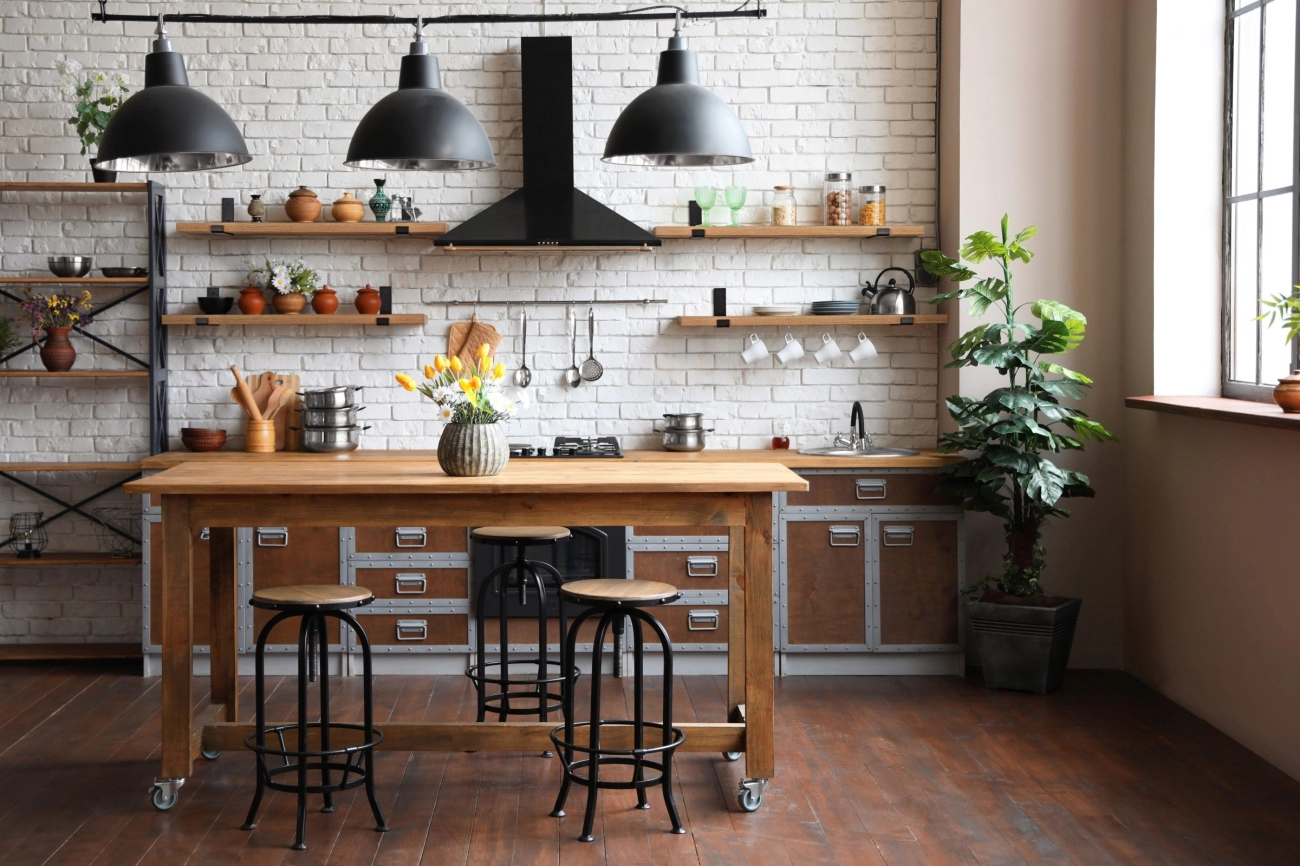
Definition and Key Characteristics
Kitchen wall floating shelves are sleek, wall-mounted shelves designed without visible brackets or heavy supports, creating a “floating” appearance. Unlike traditional shelving, which relies on exposed brackets or cabinetry, floating shelves give a clean, modern look while keeping the focus on the items displayed. These shelves are anchored securely into wall studs or with hidden mounting systems, making them both stylish and functional for kitchen storage and décor.
Key differences from traditional shelving:
- Bracket-free design for a seamless look
- Space-efficient with open access from all sides
- Versatile placement between cabinets, above sinks, or near cooking stations
- Customizable sizing and finishes to fit any kitchen layout
Common Materials for Kitchen Floating Shelves
Choosing the right material is crucial for durability, appearance, and maintenance in a kitchen environment.
Popular options include:
- Wood (solid, reclaimed, or engineered)
- Pros: Warm aesthetic, customizable stain or paint, strong load-bearing capacity
- Cons: Can absorb moisture and warp if not properly sealed
- Metal (steel, aluminum, or brass)
- Pros: Industrial look, highly durable, moisture resistant
- Cons: Can scratch easily, may feel cold in certain designs
- Glass (tempered for safety)
- Pros: Light and airy appearance, easy to clean, modern appeal
- Cons: Limited weight capacity, shows fingerprints and smudges more easily
Integration with Kitchen Walls and Lighting
Well-installed floating shelves blend seamlessly with kitchen walls, adding both practical storage and visual interest. They can be placed strategically to:
- Fill unused vertical space between cabinets and ceiling
- Create open display areas for dishes, cookbooks, or décor
- Highlight task lighting by pairing with under-shelf LED strips for added function and ambiance
- Complement wall colors and textures — for example, dark shelves on a white subway tile backsplash for contrast, or light wood shelves on a painted accent wall for warmth
By combining the right shelf material, wall finish, and lighting, homeowners can achieve a balanced mix of storage and style that elevates the entire kitchen design.
Benefits of Installing Kitchen Wall Floating Shelves
Save Space and Maximize Small Kitchens
Floating shelves are perfect for small or tight kitchens where every inch matters. With no bulky brackets or cabinets, they free up wall space and keep the room feeling open.
- Perfect for corners and unused walls
- Keeps countertops clear for cooking and prep work
- Adds storage without making the space feel cramped
Easy Access and Better Organization
These shelves keep everyday items within reach—no need to open cabinet doors while cooking.
- Great for storing spices, mugs, or dishes you use daily
- Makes it easy to see and grab what you need
- Works well for organizing by category or cooking zone
Enhance Kitchen Aesthetics and Lighting
Floating shelves aren’t just functional—they make your kitchen look better. They blend well with natural or artificial light.
- Can be paired with under-shelf lighting for style and visibility
- Creates a clean, modern backdrop for decor and essentials
- Opens up wall space for a lighter, airy feel
Customization and Personalization
Floating shelves can be tailored to fit your kitchen style and needs.
- Choose wood, metal, or glass to match your décor
- Pick your preferred length, depth, and finish
- Add decorative brackets or hidden supports for your design taste
Eco Friendly and Minimalistic
For those into green living and minimalism, floating shelves are a smart choice.
- Many come in sustainable wood or recycled materials
- Encourages keeping only what you need—less clutter
- Fits minimalist kitchen designs with clean lines and simple shapes
Quick Glance: Benefits of Kitchen Wall Floating Shelves
| Benefit | Why It Works in the Kitchen |
|---|---|
| Space Saving | Maximizes wall space and keeps counters clear |
| Easy Access | Keeps essentials within reach |
| Aesthetic Appeal | Complements lighting and decor |
| Customizable | Choose size, style, and material |
| Eco-friendly | Supports sustainable and minimal living |
Popular Styles and Designs of Kitchen Wall Floating Shelves
Kitchen wall floating shelves come in a variety of styles to match different kitchen themes. The right design not only holds your items but also ties your whole kitchen together. Here are some of the most common styles people in the U.S. choose when upgrading their kitchen storage solutions.
Modern Minimalistic Floating Shelves
If you’re after clean lines and a clutter-free look, modern floating shelves are a great pick.
- Often made from smooth wood or laminated finishes in white, black, or natural tones.
- Focused on function over accessory detail – everything looks neat and intentional.
- Best paired with recessed kitchen lighting or under-shelf LED strips for that subtle glow.
- Works well in small kitchens where you want a light and open feel.
Rustic Farmhouse Floating Shelves
Perfect for adding warmth and charm, rustic kitchen floating shelves bring in that cozy, lived-in feel.
- Usually built from reclaimed wood or distressed oak for natural texture.
- Chunkier, natural wood grain finishes add personality to walls.
- Pair great with bronze or black metal brackets for stability and style.
- Complements farmhouse sinks, butcher block counters, and vintage decor.
Industrial Kitchen Floating Shelves
For a bolder, more rugged look, industrial wall-mounted shelves combine raw materials with functional design.
- Often feature metal frames with wood shelving or exposed supports.
- Matches kitchens with stainless steel appliances and exposed brick walls.
- Durable and strong for heavier kitchen cookware or pantry items.
- Adds character to loft-style or urban kitchens.
Glass and Metal Floating Shelves
If you have a sleek or contemporary kitchen, glass or metal shelves can give it that high-end upgrade.
- Tempered glass keeps the space light and airy.
- Brushed steel or chrome supports pair well with modern appliances.
- Perfect for displaying glassware, wine bottles, or stylish kitchen decor.
- Can reflect and enhance under-cabinet lighting for a glowing effect.
Matching Shelves to Wall Colors and Lighting
To make your floating wood shelves or any material blend in perfectly:
- Light shelves with dark walls make the shelves pop visually.
- Dark shelves on light walls add depth and contrast.
- For a clean look, match shelf color to your wall paint so items become the focus instead.
- If using lighting, position LEDs under or above shelves to highlight decor or make cooking areas brighter.
How to Choose the Right Floating Shelves for Your Kitchen
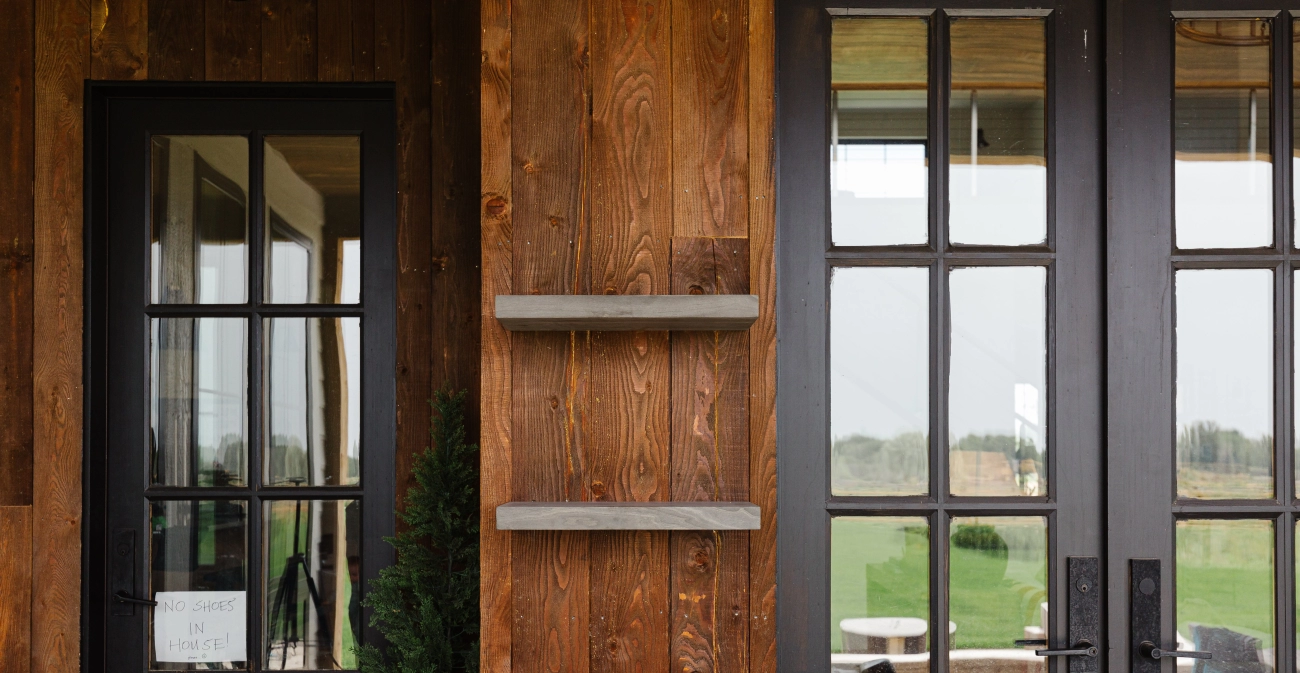
When picking kitchen wall floating shelves, you want shelves that not only look good but also handle the daily wear and tear of a kitchen. Here’s what to look at before you buy.
Size and Weight Capacity
- Measure your wall space so the shelves fit without crowding the area.
- Think about depth — 8″ to 12″ is common for kitchen use.
- Check weight ratings. Plates, jars, and appliances can add up quickly. Look for shelves that hold at least 30–50 lbs if you’ll store heavy items.
| Shelf Size | Ideal Use | Average Weight Capacity |
|---|---|---|
| 8” depth | Spices, mugs, small décor | 15–25 lbs |
| 10” depth | Bowls, cups, jars | 25–40 lbs |
| 12” depth | Small appliances, stacks of plates | 40–50 lbs |
Material and Durability
- Wood (solid or engineered) – Warm look, strong, but seal it against moisture.
- Metal – Sleek, durable, holds more weight, good for industrial kitchens.
- Glass – Modern look, needs thick tempered glass for safety, shows fingerprints.
- For kitchens, moisture resistance is key. Painted or sealed wood and powder-coated metals hold up best near sinks and stoves.
Match Your Kitchen Décor
- Choose finishes and colors that blend with your cabinets or contrast for a bold look.
- Rustic kitchens may suit floating wood shelves with visible grain, while modern spaces lean toward white, black, or metal finishes.
- If your kitchen wall color is light, darker shelves can pop visually; for dark walls, go lighter.
Consider Kitchen Lighting
- Floating shelves can block or catch light differently than cabinets.
- Use under-shelf LED strips for both style and function.
- If you have a spotlight or pendant lighting nearby, coordinate placement so your shelves are evenly lit.
Budget and Price Ranges
- Basic floating shelves start around $20–$40 each (ready-made wood or MDF).
- Mid-range designer or custom sizes run $60–$150 each.
- High-end materials like reclaimed hardwood or glass with integrated lighting can go $200+.
Pro tip: Spend more on the shelves you’ll use daily and less on purely decorative ones.
Installation Tips for Kitchen Wall Floating Shelves
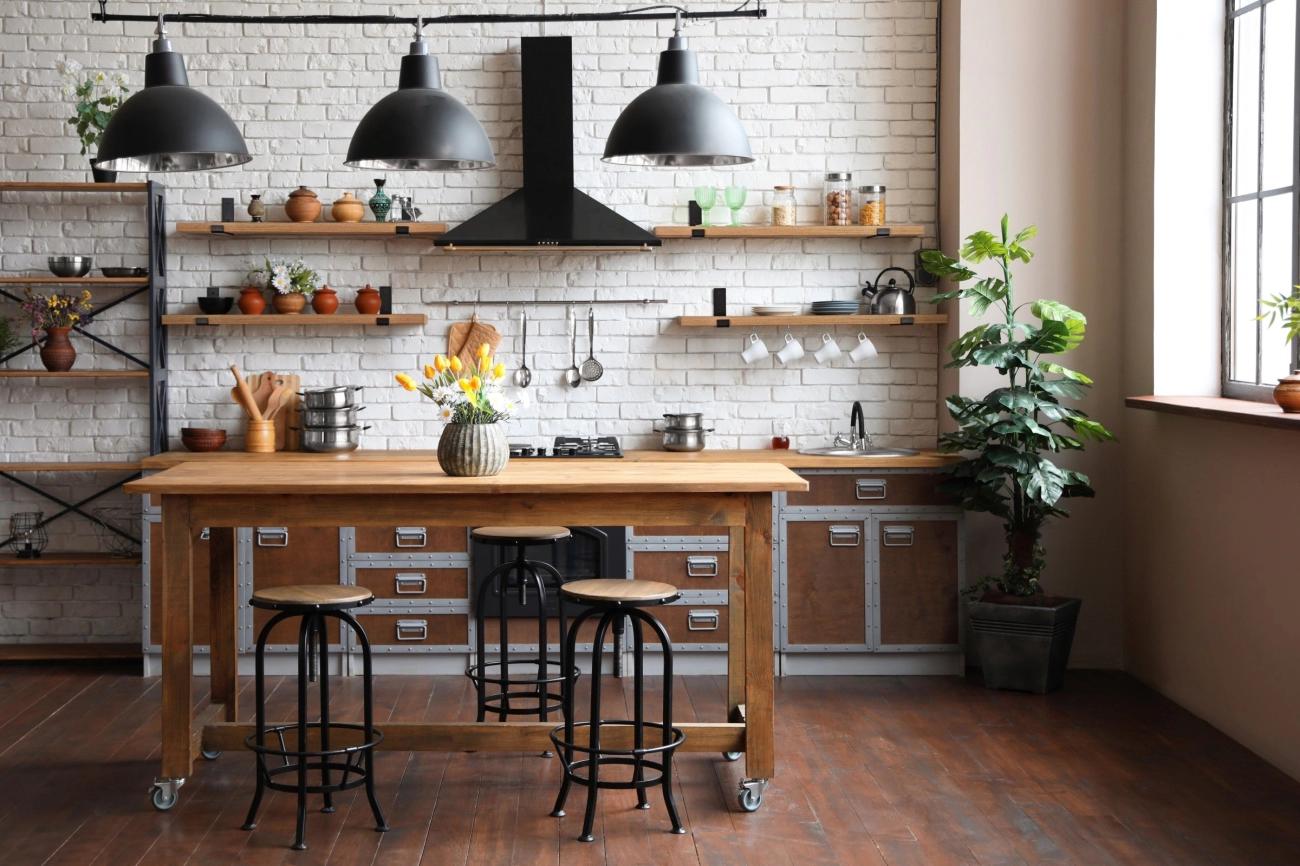
Getting kitchen wall floating shelves up the right way isn’t just about looks — it’s about making sure they stay put and handle the weight you need. Here’s how to tackle it with confidence.
Tools and Materials You Will Need
Having what you need nearby makes the job faster and safer:
- Drill with appropriate bits for your wall type
- Level to keep shelves straight
- Stud finder for locating studs behind drywall
- Wall anchors rated for the shelf’s weight capacity
- Screws and brackets (often included with shelves)
- Measuring tape for accurate placement
- Pencil for marking spots
- Safety gear (gloves, safety glasses)
Step by Step DIY Installation Guide
- Measure and mark where each shelf will go — think about height and spacing for what you plan to store.
- Use a stud finder to locate studs. If no stud is where you want, use heavy-duty wall anchors.
- Drill pilot holes for brackets or mounting hardware.
- Install the brackets or hardware level with each other.
- Slide the shelf onto the hardware and secure it if the design allows.
- Check again with the level to be sure it’s straight before loading it.
Securing Shelves to Different Wall Types
- Drywall: Always secure to studs when possible. If not, choose anchors rated for at least double your intended load.
- Brick: Use masonry bits, anchors, and screws. Pre-drill clean holes to avoid cracks.
- Tile: Drill into grout lines when possible. Use a carbide-tipped bit to prevent cracks.
Safety and Load Bearing Tips
- Never overload shelves — even sturdy floating shelves have limits.
- Always check manufacturer weight recommendations.
- Distribute weight evenly, keeping heavier items closer to the wall side.
- Avoid pulling on the shelf front — it can loosen the mount over time.
When to Call a Professional
While many U.S. homeowners handle DIY floating shelf installation, you might want a pro if:
- You’re working with marble, stone, or high-end tile walls.
- You need custom floating shelves cut to a precise size.
- Your shelves will hold heavy cookware, appliances, or collections and require reinforced mounting.
- You’re unsure how to find studs or handle wall anchoring safely.
Styling Your Kitchen Wall Floating Shelves
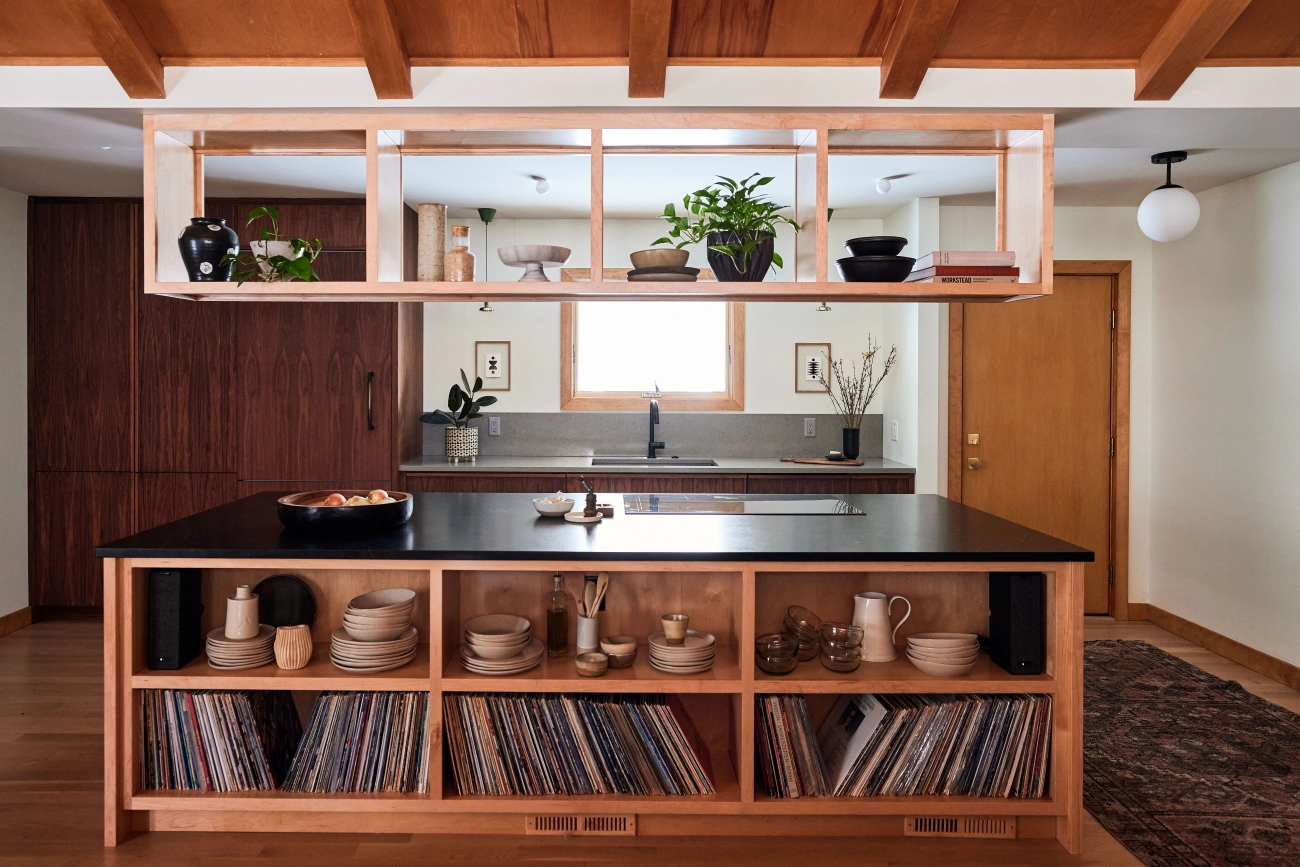
Styling your kitchen wall floating shelves isn’t just about making them look pretty—it’s about balancing function and visual appeal. The right setup can make your shelves a kitchen highlight while keeping daily items within easy reach.
Displaying Kitchen Essentials
Use your shelves for both storage and style. Items you use often can double as décor if arranged well:
- Stack plates and bowls in neat piles for a clean look.
- Line up glasses or mugs by type or color for visual rhythm.
- Store spices in matching jars and keep the labels facing forward.
- Place cookbooks upright with a bookend to add charm and function.
Adding Decorative Elements
Break up the practicality with a few eye-catching pieces:
- Potted herbs or small plants bring texture and freshness.
- A ceramic pitcher or vintage vase adds personality.
- Artwork or framed prints leaned against the wall can give a cozy, lived-in feel.
- Seasonal accents—like pumpkins in the fall or fresh flowers in spring—keep the space feeling updated.
Coordinating Shelf Accessories and Lighting
Lighting can make or break the shelf display. Floating shelves with built-in lighting or under-cabinet LED strips create a warm glow that:
- Highlights textures and colors of items.
- Makes the setup stand out at night.
- Adds task lighting for easier cooking and prepping.
Match lighting temperature to your design:
- Warm white for rustic or farmhouse styles.
- Neutral or cool white for modern, sleek looks.
Seasonal and Functional Styling
One of the biggest advantages of floating shelves is how simple it is to switch styles throughout the year. Rotate display items without big overhauls:
- Fall: Add warm tones, dried flowers, and copper accents.
- Winter: Bring in greenery, candles, and a touch of festive décor.
- Spring/Summer: Fresh flowers, colorful ceramics, and light wood or wicker baskets.
Tip: Keep the bottom shelf more functional for daily use, and the top for decorative touches. This way, you maintain easy access while still keeping it stylish.
Maintenance and Cleaning of Kitchen Wall Floating Shelves
Keeping kitchen wall floating shelves in good shape isn’t just about looks—it’s about safety and durability. Kitchens deal with grease, moisture, and everyday mess, so giving your shelves the right care will make them last longer and keep them looking sharp.
Cleaning Tips Based on Shelf Materials
Different materials need a slightly different approach:
- Wood Shelves (including rustic or reclaimed wood): Wipe with a soft, damp cloth; avoid soaking. Use mild dish soap for greasy spots, then dry right away. Oil or seal them every 6–12 months to prevent cracking or warping.
- Metal Shelves (stainless steel, iron): Use a microfiber cloth with warm, soapy water. Dry thoroughly to prevent rust spots in humid kitchens. For fingerprints, a stainless steel cleaner works best.
- Glass Shelves: Spray glass cleaner and wipe with a lint-free cloth. Be careful around the edges—avoid heavy pressure to prevent chipping.
Preventing Water Damage and Stains in the Kitchen
Since kitchens are high-moisture areas, it’s important to protect your shelves from spills and steam:
- Keep shelves at least a few inches from direct heat or steam sources like stovetops.
- Use coasters or trays under plant pots, oils, or liquids to prevent rings and stains.
- Wipe up spills immediately instead of letting them sit, especially on wood.
- Consider a moisture-resistant sealant for wood shelves near sinks or dishwashers.
Periodic Safety Checks and Reinstallation Tips
Floating shelves rely heavily on secure wall anchors and brackets. Over time, the weight and vibrations from daily kitchen use can loosen them.
- Inspect anchor points every 3–6 months. Tighten screws if there’s movement.
- Remove items and test for wobble—if the shelf feels loose, fix it before reloading.
- For shelves in drywall, make sure they’re anchored into studs or heavy-duty wall plugs.
- If shelving starts tilting or sagging, it’s safer to reinstall with stronger hardware rather than just tightening old screws.
By keeping kitchen wall floating shelves clean, dry, and well-secured, you’ll extend their lifespan and keep them safe for storing both kitchen essentials and décor.
Where to Buy Quality Kitchen Wall Floating Shelves and Accessories Near You
Finding kitchen wall floating shelves that are both stylish and durable comes down to knowing the right places to shop. Whether you want a quick online order or prefer to see the shelves in person, there are plenty of solid options in the U.S. for different budgets, styles, and installation needs.
Online Stores for Kitchen Floating Shelves
If you want the widest selection and quick delivery, online retailers are the easiest route:
- Amazon – Huge range of floating wood shelves for kitchen, rustic farmhouse styles, and modern kitchen shelving designs. Many listings include customer photos and weight capacity details.
- Wayfair – Great mix of budget-friendly and premium shelves with customizable lengths and finishes. Often has matching accessories like brackets, under-shelf hooks, and kitchen shelves with lighting.
- Etsy – Ideal for handcrafted, personalized options. Many U.S.-based woodworkers offer rustic kitchen floating shelves with unique stains and reclaimed wood.
- Home Depot / Lowe’s online – Reliable for standard sizes, metal or glass models, and integrated LED lighting kits.
Local Stores and Showrooms
Sometimes it helps to see the shelves in person to check quality, color tones, and finish:
- Home Depot / Lowe’s stores – Stock common sizes, plus you can grab installation supplies in one trip.
- IKEA – Affordable, modern styles; most models include hidden brackets for quick DIY installation.
- Local woodworking shops or cabinet makers – For custom-built pieces that match your kitchen cabinetry.
- Specialty lighting showrooms – If you’re adding kitchen shelves with lighting, these stores carry LED strip kits designed for shelving.
Lighting Solutions to Elevate Floating Shelves
Proper lighting can make your shelves both functional and eye-catching:
- Under-shelf LED strips – Great for task lighting above coffee stations or prep areas.
- Integrated puck lights – Good for spotlighting decorative pieces.
- Warm dimmable bulbs – Adds a cozy, soft glow for evening use.
Many brands like Kichler and Philips Hue offer smart lighting that works well with floating shelves.
Real Customer Feedback
- “I bought my oak floating shelves from an Etsy shop in Tennessee. They matched my cabinets perfectly and the wood finish has held up for 3 years.” – Chicago homeowner
- “Installed two sets from Home Depot with LED strips underneath. Makes my coffee area look like a magazine photo.” – Austin, TX customer
- “Wayfair had the exact size I needed for a small kitchen wall. The installation was easy and they hold all my mugs and jars with no sagging.” – Seattle resident





 English
  French
  Arabic
  German
  Spanish
  Italian
  Portuguese
  Esperanto
  Greek
Greek  Finnish

Leave A Comment