

If you run a grocery store, you already know that lighting isn’t just about making things visible — it’s about selling more products, reducing energy costs, and creating a shopping experience that keeps customers coming back.
The right grocery store lighting can make produce look fresher, aisles feel more inviting, and even influence how long shoppers stay in your store. But the wrong setup? It can make everything appear dull, unappealing, and cost you more on your energy bill.
In this guide, you’ll discover exactly how to optimize your store lighting for maximum product appeal, energy efficiency, and profitability — with tips and solutions trusted by industry experts like Prillumen Light. Let’s dive in.
Unique Lighting Needs of Grocery Stores
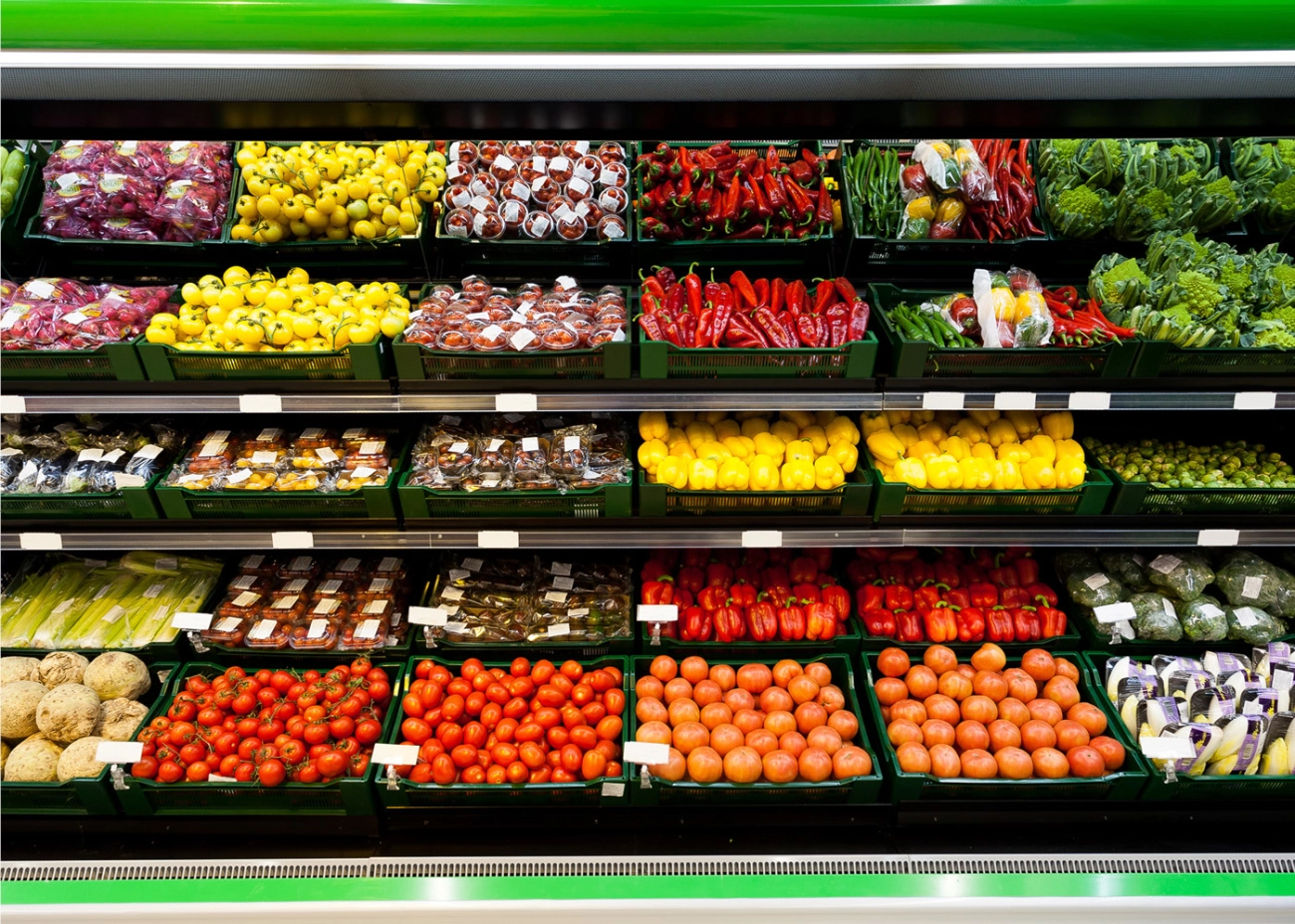
Grocery store lighting is far more than simply brightening a space—it plays a critical role in product presentation, customer experience, and sales performance. The design must balance ambient, accent, and task lighting to create a comfortable shopping environment while showcasing products at their best.
Importance of Ambient, Accent, and Task Lighting
- Ambient lighting provides the overall illumination that allows customers to navigate aisles with ease. It sets the general mood of the store and should be bright enough for comfort without creating glare.
- Accent lighting draws attention to specific areas, such as promotional displays or high-margin products. It’s particularly effective for produce sections, bakery displays, and seasonal endcaps, where visual appeal influences purchasing decisions.
- Task lighting is focused illumination for employees and specific work zones—such as checkout counters, deli preparation areas, or weighing stations—ensuring accuracy and efficiency.
A well-planned layered lighting strategy seamlessly combines all three types, guiding shoppers through the store and highlighting priority areas.
Impact on Product Visibility and Freshness Perception
The right lighting can enhance color vibrancy, texture, and freshness—a must for perishable products:
- Produce: Full-spectrum or enhanced-color LED lights make fruits and vegetables appear fresher and more appealing by bringing out their natural hues.
- Meat and seafood: Warm yet crisp lighting showcases the natural red tones of meat, while cooler tones maintain the “fresh caught” look of seafood.
- Dairy: Balanced, neutral lighting prevents color distortion and keeps milk, cheese, and yogurt looking clean and fresh.
Customers often subconsciously associate well-lit, bright displays with quality and freshness, directly affecting purchasing choices.
Factors Influencing Grocery Store Lighting Design
Designing supermarket lighting requires consideration of multiple variables:
- Store layout: Wide aisles, tall shelving, and varied department arrangements demand flexible fixture placement to avoid dark spots and ensure uniform light levels.
- Product categories: Each department has unique lighting needs—fresh produce benefits from high color rendering, while frozen section lighting must function optimally in cold environments.
- Store size: Larger supermarkets need higher lumen outputs and strategic zoning, whereas smaller grocery stores can maximize efficiency with targeted accent and ambient combinations.
- Ceiling height: Impacts fixture type and beam spread—high ceilings require directional fixtures to maintain consistent brightness.
- Customer flow patterns: Lighting can subtly guide customers toward promotions, special offers, and high-value products.
By carefully balancing function, efficiency, and atmosphere, grocery store lighting becomes a powerful tool for both operational performance and sales growth.
Types of Lighting Solutions for Grocery Stores
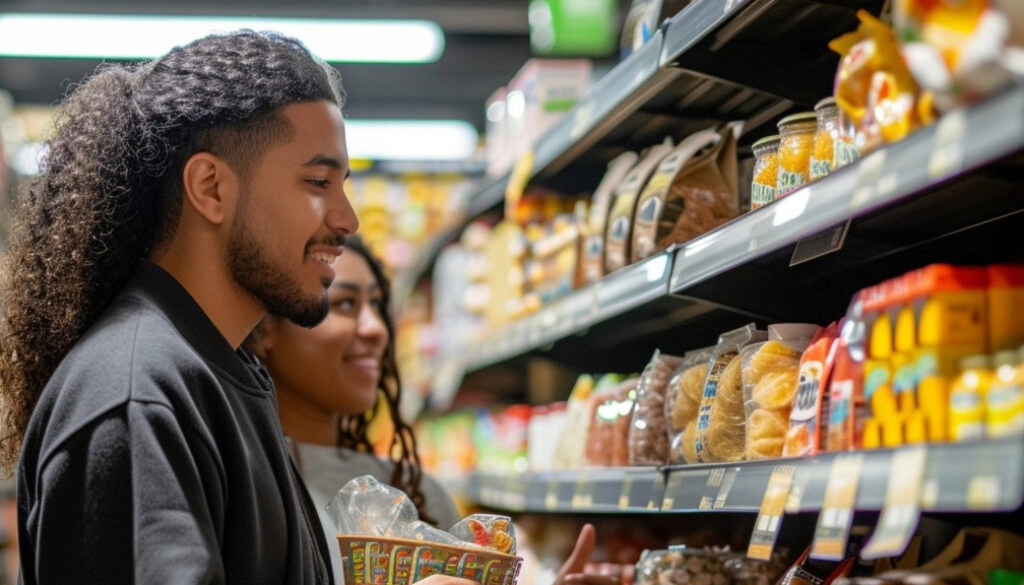
LED Lighting for Grocery Environments
LED lights have quickly become the go-to choice for grocery store lighting in the U.S. They’re energy-efficient, long-lasting, and work well in all store areas—from aisles to refrigerated displays. For supermarkets, LED fixtures can cut lighting energy costs by up to 50% compared to older systems, while providing consistent brightness and better color rendering. That means produce looks fresher, meats look more appealing, and dairy items appear cleaner and brighter.
Key LED advantages in grocery settings:
- Lower operating costs thanks to reduced energy use and less maintenance.
- Better color accuracy for fresh food displays.
- Cooler operation than halogen or fluorescent, reducing heat in refrigerated sections.
- Long lifespan, minimizing frequent replacements.
Fluorescent vs LED vs Halogen Lighting in Grocery Stores
While LED lighting is leading the way, some stores still use fluorescent or halogen lights. Each type has its pros and cons.
| Lighting Type | Pros | Cons |
|---|---|---|
| LED | Energy-efficient, long lifespan, great color rendering, works in cold temps | Higher upfront cost (but pays off over time) |
| Fluorescent | Low initial cost, evenly distributed light | Shorter lifespan, contains mercury, color shifting over time |
| Halogen | Warm light, good for accent lighting | High energy use, produces heat, short lifespan |
Modern supermarket lighting design usually mixes fixtures, but LEDs now replace most fluorescent tubes to save energy and improve product presentation.
Specialty Lighting for Fresh and Refrigerated Areas
Refrigerated and freezer cases need specialized LED lighting that performs well in cold temperatures and resists moisture. For produce sections, full-spectrum LEDs with the right color temperature can make greens look vibrant and fruits more appealing. In the meat department, slightly warmer LEDs enhance the red tones in beef and pork, while cooler white tones keep dairy aisles fresh.
Specialty lighting considerations:
- Produce: High CRI LEDs for natural color.
- Meat: Warm-toned LEDs for richer appearance.
- Dairy: Crisp, cool lighting for freshness perception.
- Freezers/Refrigerators: Moisture-resistant, cold-performance LEDs.
Accent Lighting to Boost Sales
Accent lighting is a powerful retail lighting solution to draw attention to high-margin products or promotional spots. In grocery stores, narrow-beam LED spotlights can make bakery goods glisten, highlight seasonal displays, or direct shoppers toward end caps.
Best uses for accent lighting in supermarkets:
- Promotional end shelves.
- Seasonal or holiday displays.
- Bakery and gourmet sections.
- Specialty wine or cheese areas.
Energy Efficiency and Cost Considerations for Grocery Store Lighting
Efficient grocery store lighting is more than just good for the planet — it directly cuts operational costs and improves your bottom line. With lighting often accounting for a large portion of a grocery store’s electricity bill, switching to modern, energy-efficient options can have a quick return on investment.
How Efficient Lighting Reduces Costs
- Lower energy use: Upgrading to LED lights for grocery stores can reduce energy consumption by up to 50–70% compared to traditional fluorescent or halogen lights.
- Less maintenance: LEDs last significantly longer, meaning fewer bulb replacements and reduced labor costs for maintenance.
- Better heat management: LEDs produce less heat, lowering the strain on refrigeration and HVAC systems, which can also cut utility bills.
Energy Saving Tips for Grocery Stores
- Use motion sensors in low-traffic areas like stockrooms and restrooms.
- Install dimmers and daylight sensors to adjust brightness based on natural light levels.
- Upgrade refrigeration lighting with LED strips or bars designed for cold environments.
- Implement zoning controls so different store areas can be lit only when needed.
Long Term Benefits of Modern Lighting
- Sustainable operations: Reduces carbon footprint and supports eco-friendly branding.
- Improved shopper satisfaction: Consistent lighting quality enhances the product display experience.
- Increased property value: Energy-efficient store lighting can be an attractive selling point for potential investors or building owners.
Real-World Cost Savings
A U.S.-based supermarket chain that switched from fluorescent to LED saved $40,000 annually in energy costs after a full store retrofit. Another mid-sized grocery store in the Southeast reported a 55% drop in lighting-related energy consumption and recouped their investment in just under 2 years.
If you’re planning a full lighting upgrade, pairing LEDs with smart lighting controls can maximize savings. For layout inspiration and solutions, you can look at our chain store lighting guide, which covers scalable and efficient lighting setups for supermarkets.
Lighting Design Best Practices to Improve Customer Experience and Sales
Getting grocery store lighting right isn’t just about making things bright—it’s about creating a space where customers feel comfortable and products look their best. A smart lighting plan can directly influence how long shoppers stay, what they buy, and how they remember your store.
Optimal Brightness for Each Area
Different areas in a grocery store have different lighting needs:
- Produce sections – Use brighter, high-CRI lighting to make fruits and vegetables look fresh and vibrant.
- Meat and seafood counters – Slightly warmer lighting can enhance natural colors and make products look appealing.
- Aisles and shelves – Medium, consistent brightness ensures customers can easily read labels without glare.
- Checkout areas – Balanced lighting helps cashiers work efficiently and creates a comfortable end to the shopping trip.
Aim for even illumination in high-traffic zones without over-lighting, which can make areas feel sterile or harsh.
Color Temperature and Shopper Psychology
Color temperature has a big impact on how shoppers perceive your store:
- Warm white (2700K–3000K) – Creates a relaxed feel, works well in bakery, wine, and specialty sections.
- Neutral white (3500K–4100K) – Offers a balanced look good for most grocery aisles.
- Cool white (5000K–6500K) – Makes products look crisp and fresh, especially in produce or seafood areas.
Blending these temperatures strategically can guide mood and encourage purchases in different zones.
Layered Lighting Strategy
A well-thought-out layered lighting approach combines:
- General lighting – For overall visibility.
- Accent lighting – Highlights special displays, promotions, or high-margin products.
- Task lighting – Focused light for work areas like deli counters, bakery stations, and checkouts.
This not only boosts visual appeal but also supports staff efficiency.
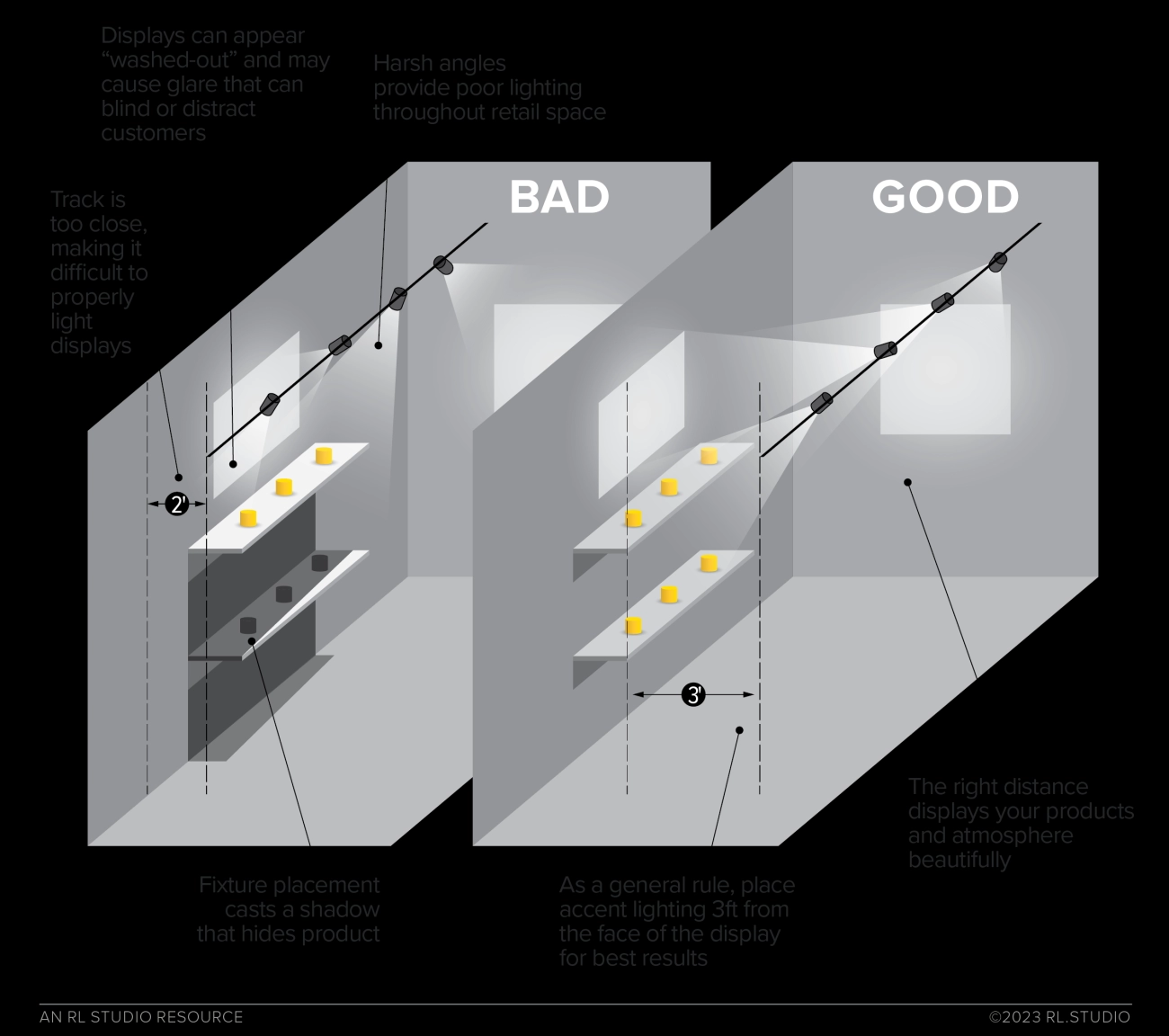
Avoiding Shadows, Glare, and Light Pollution
Poor placement of fixtures can create shadows that make products less appealing and glare that strains customers’ eyes. To avoid this:
- Space fixtures evenly and at the right height.
- Use anti-glare diffusers or lens covers.
- Aim lighting at product zones, not walkways, to reduce wasted light.
- Balance brightness levels between aisles and endcaps to prevent dark spots.
By paying close attention to lighting layout for supermarkets, you can make the store feel open, inviting, and easy to shop.
Local Compliance and Safety Standards for Grocery Store Lighting
Meeting Local Lighting Regulations
Grocery stores in the U.S. must follow strict local lighting codes that cover everything from brightness levels to energy efficiency. These rules can vary by state and city but often include:
- Minimum lighting levels in aisles, entrances, and exits.
- Requirements for emergency lighting and exit signs.
- Guidelines for color temperature to ensure accurate food presentation without distorting colors.
- Specific rules for refrigerated display lighting to maintain safe temperatures and avoid excess heat.
Failing to meet these regulations can lead to fines, safety hazards, and higher insurance risks.
Safety Considerations in Grocery Stores
Beyond compliance, lighting plays a huge role in keeping customers and staff safe. Key areas include:
- Emergency lighting for power outages, helping people navigate safely.
- Clearly visible exit signs in all areas, especially near storage rooms, freezers, and loading docks.
- Well-lit pathways to prevent accidents in parking lots, entryways, and high-traffic aisles.
- No dark corners or shadowed areas that could increase liability or theft risks.
How Prillumen Light Ensures Compliance
At Prillumen Light, we design and supply grocery store lighting solutions that check every compliance box while improving the shopping experience. Here’s how we make it work:
- Local code knowledge – We track regulations in your area so your lighting passes inspections the first time.
- Pre-tested fixtures – All our grocery store lighting fixtures meet UL and ENERGY STAR® standards for safety and efficiency.
- Emergency-ready systems – We offer integrated emergency and exit lighting to keep you compliant and prepared.
- Custom layouts – Tailored lighting plans to cover every section, from fresh produce to refrigeration cases, while meeting local safety rules.
With Prillumen Light, you get energy-efficient store lighting that’s installed right, looks great, and meets every U.S. safety and compliance requirement.
Why Choose Prillumen Light for Your Grocery Store Lighting Needs
When it comes to grocery store lighting, experience and the right products make all the difference. At Prillumen Light, we’ve helped supermarkets and local grocery owners across the U.S. get the right balance of brightness, color, and efficiency to make their spaces both inviting and cost-effective.
Local Expertise and Industry Knowledge
We understand the unique lighting needs of grocery stores — from showcasing fresh produce to creating welcoming aisles. With our local presence, we can visit your store, assess your layout, and design a custom lighting plan that works for your footprint, product mix, and budget.
Wide Range of Lighting Solutions
Whether you’re outfitting LED lights for grocery stores, upgrading produce section lighting, or need commercial refrigeration lighting, we have fixtures built for performance, efficiency, and compliance. Our range includes:
- Ambient lighting fixtures for consistent, glare-free brightness.
- Accent lighting for high-margin or promotional displays.
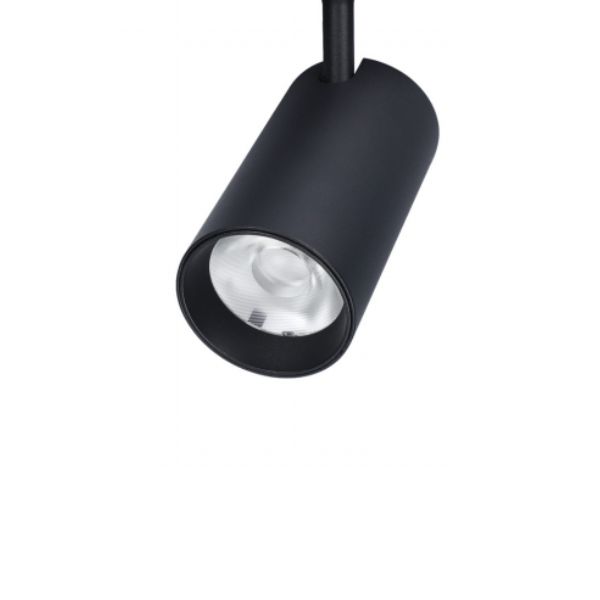
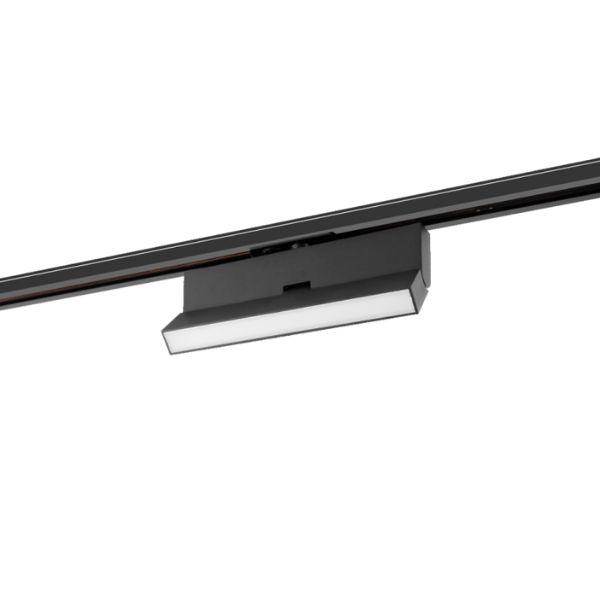
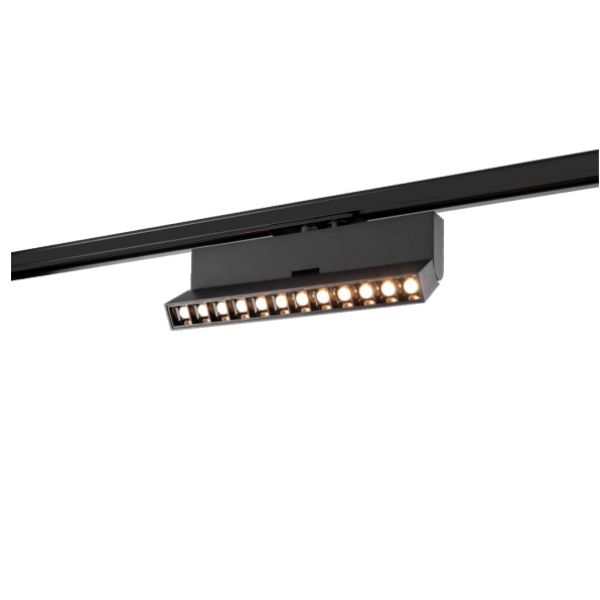
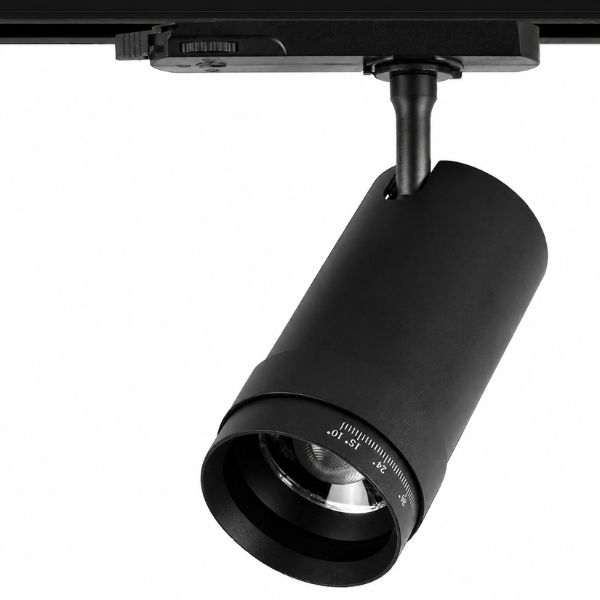
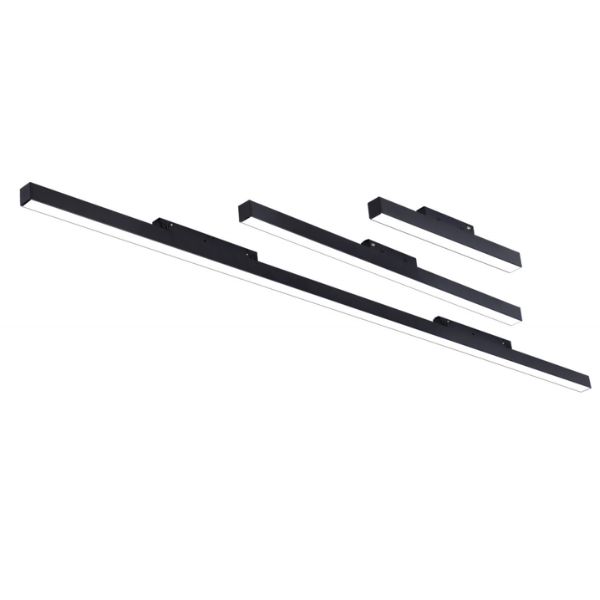
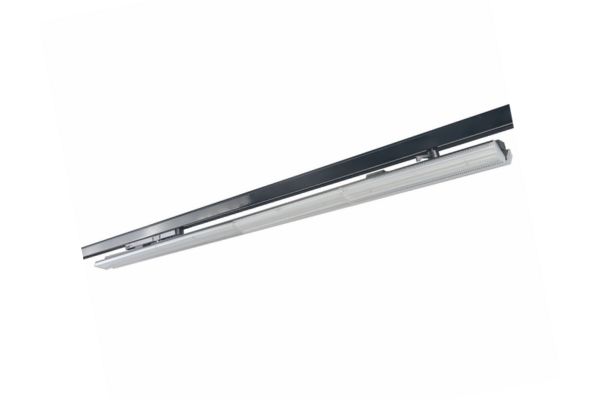
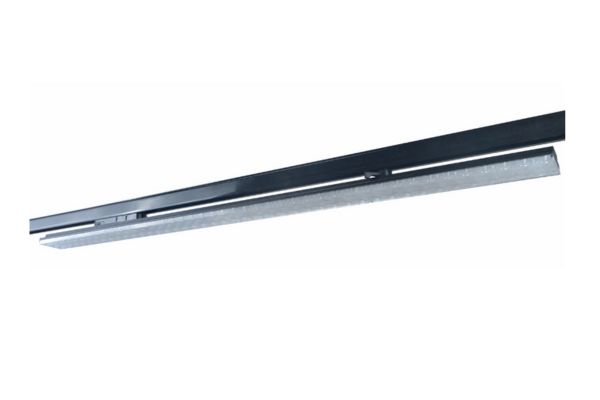
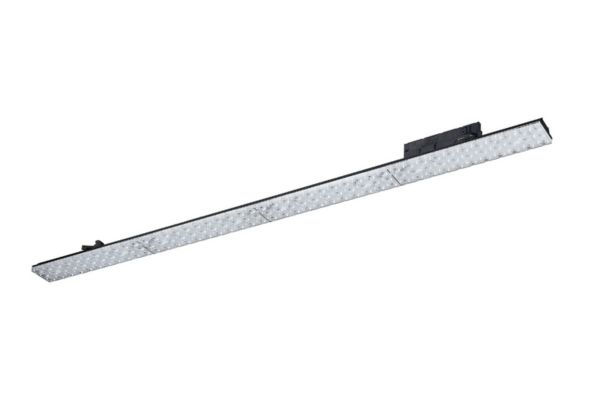
- LED track lighting for flexible product highlighting (see more here).
- Specialty refrigeration lighting to keep meats, dairy, and snacks looking fresh.
Customization and Layout Planning
We don’t believe in one-size-fits-all. We’ll match lighting color temperatures to your store’s food displays, position fixtures to avoid shadows, and ensure optimal brightness for different zones — checkout, deli, produce, and aisles. You’ll get a tailored lighting layout for supermarkets that maximizes visibility and customer experience.
End-to-End Service and Support
From consultation to installation, we make it simple. We offer:
- On-site assessments to pinpoint your exact needs.
- Professional installation by qualified technicians.
- After-sales support for adjustments, maintenance, and upgrades.
At Prillumen Light, our goal is to make your store look its best while keeping your energy bills low. Our combination of local service, quality products, and expert installation ensures your grocery store lighting meets today’s standards — and tomorrow’s expectations.





 English
  French
  Arabic
  German
  Spanish
  Italian
  Portuguese
  Esperanto
  Greek
Greek  Finnish

Leave A Comment