
Indoor LED Lighting UK FAQ Complete Guide
Indoor LED luminaires are transforming how UK businesses light their offices, retail stores, and other commercial spaces. With growing demand for energy efficiency, cost savings, and modern aesthetics, LED technology has become the leading choice for commercial lighting upgrades.
This comprehensive FAQ guide answers the most common questions about indoor LED lighting, covering everything from benefits and energy efficiency to installation, retrofitting, and compliance with UK regulations. Whether you are a business owner, facility manager, or lighting professional, this resource will help you make informed decisions when upgrading your commercial lighting system.
What Are Indoor LED Luminaires for Commercial Spaces?
Indoor LED luminaires are lighting fixtures specifically designed to illuminate commercial environments such as offices, shops, schools, and hospitality spaces. Unlike traditional incandescent or fluorescent lights, they use LED (Light Emitting Diode) technology to provide:
- High efficiency – more light with less energy consumption
- Uniform brightness – consistent illumination across spaces
- Durability – longer service life and reduced maintenance costs
These fixtures are tailored to meet the performance and design needs of modern businesses, combining practicality with aesthetics.
Benefits of LED Luminaires in UK Commercial Buildings
How Do Indoor LED Luminaires Improve Energy Efficiency?
LED technology consumes up to 60–80% less electricity compared to incandescent or fluorescent lamps. LEDs convert more energy into light rather than heat, significantly reducing wasted power. Many commercial LED systems also include:
- Dimming functions to adjust light output
- Occupancy sensors to switch off unused areas
- Daylight harvesting to balance artificial light with natural sunlight
This directly translates to lower energy bills and a reduced carbon footprint, supporting both financial and sustainability goals.
What Is the Average Lifespan of Commercial LED Luminaires?
Most indoor LED luminaires last 50,000–70,000 hours, which equates to 10–20 years of usage, depending on daily operating hours. This long lifespan means fewer replacements, lower maintenance costs, and reduced waste.
Popular LED Luminaire Designs for UK Offices and Retail Stores
What Are the Most Popular Designs?
The UK commercial lighting market has several popular indoor LED designs:
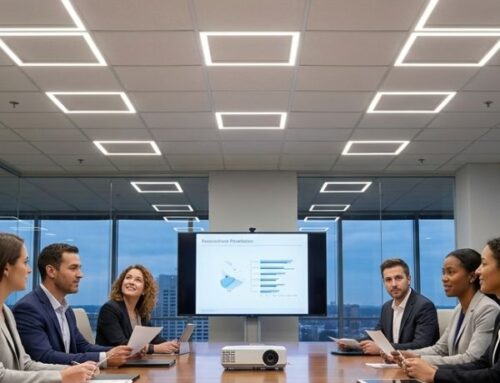
- Recessed LED panel lights – Sleek, modern, and commonly used in offices
- Surface-mounted panels – Easy to install where recessed fitting is not possible
- Downlights – Perfect for focused task or accent lighting
- Track lighting – Widely used in retail to highlight merchandise
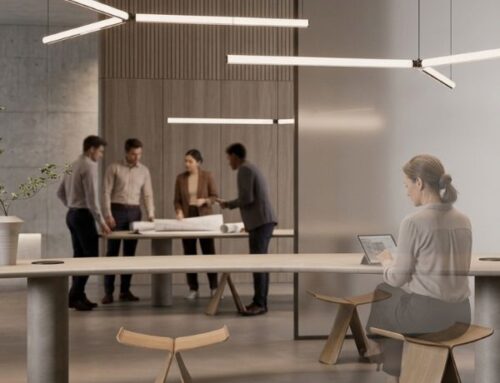
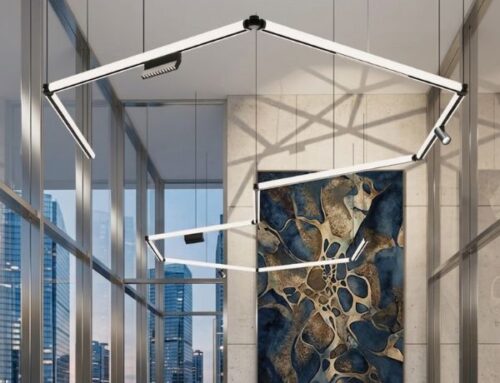
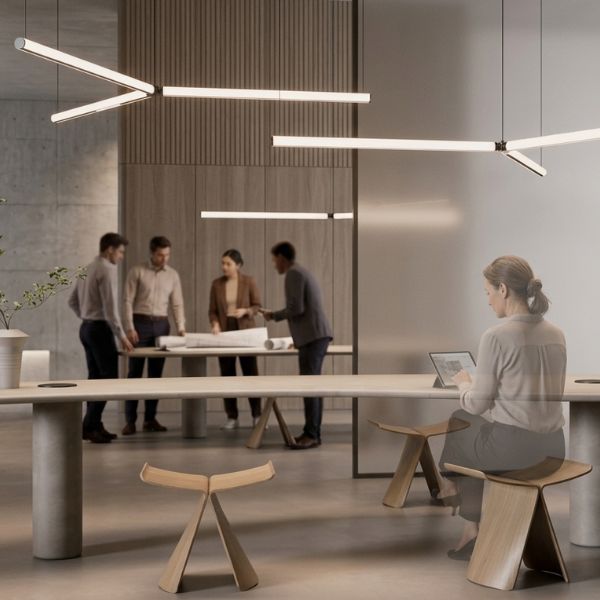
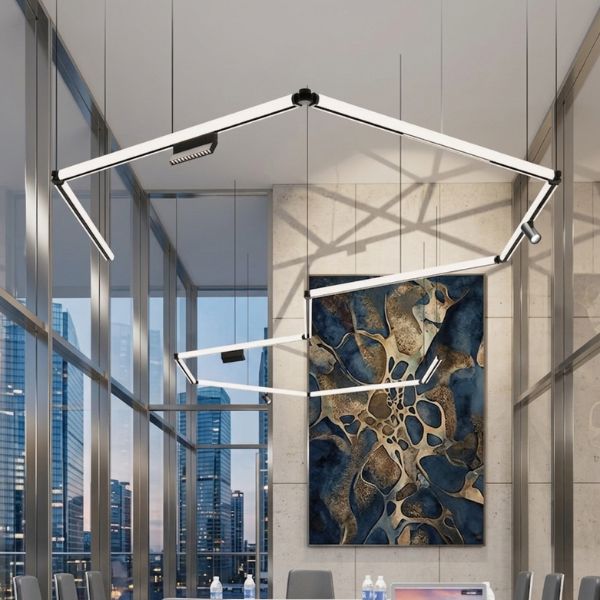
- Suspended linear LED fixtures – Stylish options for offices and open spaces
These designs balance functionality with modern aesthetics, making them suitable for a wide range of commercial interiors.
Brightness and Lighting Requirements
How Do I Calculate the Required Brightness?
The right brightness level depends on the size, height, and purpose of the space. Brightness is measured in lux (lumens per square meter):
- Offices and retail areas – 300–500 lux
- Task-intensive areas – Higher lux levels may be needed
Factors such as ceiling height, surface reflectance, and room layout also affect the calculation. Businesses often rely on professional lighting designers or software tools to ensure compliance with UK standards.
Smart Lighting Integration
Can LED Luminaires Be Integrated with Smart Control Systems?
Yes. Many modern LED systems are smart-ready and can integrate with:
- Remote and app-based controls
- Timed scheduling and automation
- Occupancy detection
- Daylight sensors for natural light optimization
Smart integration helps companies maximize energy savings while offering flexibility to adjust lighting environments for different tasks or times of day.
Installation and Retrofitting Options
How Easy Is Installation in Offices and Retail Stores?
Installation is usually straightforward, especially in new commercial projects. Most luminaires are designed with standard fittings compatible with existing infrastructure, allowing quick and efficient installation by professional electricians.
Can LED Luminaires Be Retrofitted Into Existing Systems?
Yes. Retrofit LED luminaires are specifically designed to replace older fluorescent or halogen fixtures without extensive rewiring. Benefits of retrofitting include:
- Faster upgrades
- Improved efficiency and lighting quality
- Minimal disruption to operations
Maintenance and Compliance
What Are the Maintenance Requirements?
LEDs require minimal maintenance compared to traditional lighting. Key tasks include:
- Occasional cleaning to remove dust buildup
- Regular inspections for system performance
Since LEDs do not rely on replaceable bulbs, downtime and maintenance costs are significantly reduced.
How Do LED Luminaires Comply With UK Lighting Regulations?
Commercial LED luminaires are designed to meet UK and EU standards, including:
- Building Regulations Part L (energy efficiency)
- BS EN lighting standards (performance and safety)
Compliance ensures that lighting installations are safe, efficient, and future-proof.
Final Thoughts: Why Upgrade to Indoor LED Lighting in the UK?
Indoor LED luminaires represent a smart investment for UK businesses. They improve lighting quality, reduce operational costs, and align with sustainability targets. From offices to retail stores, LEDs deliver a brighter, more efficient, and future-ready solution.
By upgrading to LED luminaires, businesses not only meet regulatory compliance but also create more comfortable, productive, and visually appealing environments for employees and customers alike.
Indoor LED luminaires offer a smart, energy-efficient, and long-lasting lighting solution for commercial spaces across the UK. By understanding their benefits, design options, and practical considerations such as installation and maintenance, businesses can enhance both the functionality and ambiance of their work environments while reducing energy costs and environmental impact. Adopting LED lighting in offices and retail stores is a forward-thinking choice that aligns with modern sustainability goals and regulatory standards, ensuring a brighter, safer, and more efficient commercial space for years to come.


 English
  French
  Arabic
  German
  Spanish
  Italian
  Portuguese
  Esperanto
  Greek
Greek  Finnish

Leave A Comment