

Boutique Supermarket Lighting Needs
Designing the right boutique supermarket lighting system is about more than just brightening a space. It’s about blending function and aesthetics to create an inviting atmosphere while showcasing products in their best light. Unlike large-scale, traditional supermarkets where lighting often focuses purely on coverage and uniformity, boutique supermarkets use lighting strategically to enhance brand identity, mood, and customer experience.
Defining Boutique Supermarket Lighting
In boutique grocery environments, lighting is tailored to the store’s personality and the specific products being sold. It’s not one-size-fits-all—every section, from the fresh produce aisle to the wine shelves, requires different illumination to highlight textures, colors, and quality. This tailored approach ensures each product category has the most flattering and functional lighting possible.
Key Differences from Standard Supermarket Lighting
Here’s where boutique supermarket lighting stands apart from standard setups:
- Focus on Mood – Standard supermarkets opt for uniform brightness, while boutique stores design lighting to create distinct zones and make the shopping journey feel more personal.
- Product Storytelling – Specialty goods, artisanal items, and premium products benefit from accent lighting that draws the eye and communicates value.
- Design Integration – Lighting fixtures often double as decorative elements in boutique settings, matching the store’s interior style.
- Energy Efficiency with Design – While standard supermarkets prioritize efficiency, boutiques balance it with a more curated, high-end appearance.
Impact on Shopper Behavior and Product Perception
The right lighting can directly affect how shoppers feel and what they buy.
- Warmer color temperatures make baked goods and fresh produce appear fresher and more appetizing.
- Bright yet soft lighting in high-traffic areas makes customers linger longer, increasing browsing time and purchase likelihood.
- Focused spotlights on premium items create an impression of exclusivity and higher perceived value.
- Balanced illumination ensures customers can clearly see product labels and details, improving shopping comfort and decision-making.
In short, well-designed boutique supermarket lighting not only makes products look better—it can drive sales, build brand loyalty, and turn a routine trip into a memorable shopping experience.
Types of Lighting Systems Ideal for Boutique Supermarkets

Lighting in a boutique supermarket isn’t just about making the store bright — it’s about creating the right atmosphere, guiding customers through different zones, and making products look their best. Choosing the right mix of lighting systems can directly impact sales and customer experience.
Ambient Lighting for Mood and Comfort
Ambient lighting is the base layer that sets the tone of the entire store. In boutique supermarkets, this lighting is usually softer and warmer than in standard grocery stores. It makes the shopping experience feel comfortable and inviting instead of harsh and overwhelming.
- Balanced brightness so the space feels open but not glaring.
- Warm-white LED lighting for a cozy, premium feel.
- Even coverage to avoid dark spots and shadows.
Accent Lighting to Highlight Specialty Products
Accent lighting draws attention to high-margin or unique items like fresh produce, specialty cheeses, or wine displays. This is where design meets sales strategy.
- Focused spotlights or track lighting over display tables and endcaps.
- Adjustable fixtures to rotate with seasonal promotions.
- Higher Color Rendering Index (CRI) to make colors pop, especially for fresh foods.
Task Lighting for Work and Service Areas
Task lighting provides extra brightness in areas where customers or staff need to clearly see what they’re doing.
- Strong, focused light over checkout counters to speed up transactions.
- Bright, targeted lighting in deli and meat prep zones for accuracy and hygiene.
- Under-shelf lighting for self-serve counters or bakery sections.
Energy Efficient LED and Smart Lighting Controls
Modern boutique supermarkets are swapping old fluorescent systems for LED lighting, not just for savings but also for better quality light. Pairing LED fixtures with smart controls brings efficiency and flexibility.
- LED fixtures use less energy, last longer, and produce better light quality.
- Dimming systems to adjust brightness during slow hours, saving on bills.
- Occupancy sensors that automatically turn lights on and off in lower-traffic areas.
- Smart scheduling to change ambiance from day to evening for different shopper moods.
When these four systems are layered together, a boutique supermarket can feel more upscale, highlight what matters most, and run more efficiently — all without wasting energy or losing visual appeal.
Design Considerations for Boutique Supermarket Lighting
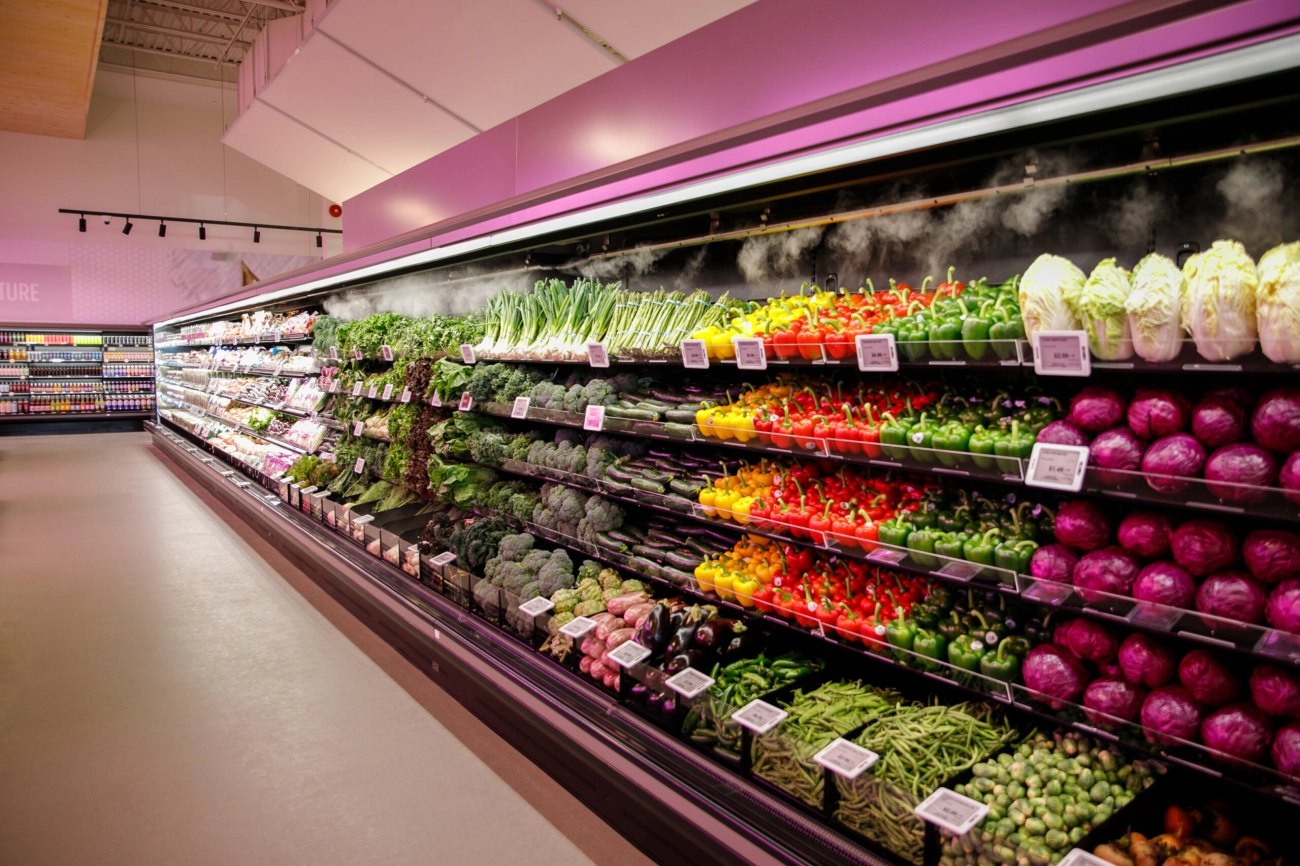
Designing lighting for a boutique supermarket isn’t just about making the space bright—it’s about creating the right atmosphere, making products look appealing, and managing long-term costs. Here’s what to keep in mind when planning your setup.
Importance of Color Temperature, Brightness, and CRI
Lighting has a direct impact on how customers perceive freshness and quality:
- Color temperature – Warmer tones (2700K–3000K) can make baked goods and produce look more inviting, while cooler tones (3500K–4000K) work better for dairy and seafood.
- Brightness – Keep it balanced. Too dim makes products look dull, too bright can feel harsh and unwelcoming.
- CRI (Color Rendering Index) – Aim for 90+ CRI to show the true colors of fruits, vegetables, and meats. High CRI lighting can make produce look fresher and meats more vibrant, which directly impacts buying decisions.
Creating Lighting Zones with a Layered Approach
A boutique supermarket benefits from layered lighting to draw attention to different areas:
- Ambient lighting – Provides overall illumination for comfort and safety.
- Accent lighting – Highlights specialty shelves, wine displays, or prepared food counters.
- Task lighting – Focuses on work areas like the bakery, deli, and checkouts for better visibility and reduced mistakes.
Balancing Aesthetics with Energy Efficiency and Maintenance
Great lighting should look good without wasting energy. Consider:
- LED lighting – Uses less electricity, offers better lifespan, and provides more consistent colors compared to fluorescents.
- Dimmable controls – Adjust light levels based on time of day or customer traffic.
- Easy maintenance – Choose fixtures that are simple to clean and replace to keep operational costs low.
Using Natural Light Effectively
Natural light creates a warm, welcoming feel and can make spaces feel more open:
- Position fresh produce and floral displays near windows to amplify colors.
- Use skylights or light wells in larger spaces for soft, even daylight.
- Combine sunlight with automated shading or smart lighting to avoid glare and overheating.
Technological Innovations in Boutique Supermarket Lighting Systems
Technology has completely changed how boutique supermarkets use lighting to set the mood, improve product presentation, and cut energy costs. Today’s retail lighting solutions for boutique stores go far beyond simple bulbs and fixtures — they’re smart, flexible, and tailored to create the right effect at the right time.
Smart Lighting Systems for Better Control
Modern LED lighting for supermarkets can be paired with smart controls that let you adjust brightness, color temperature, and zones from a central system. Features like remote control, timers, and motion or occupancy sensors allow you to:
- Dim lights in less busy hours to save energy
- Adjust lighting levels instantly for promotions or events
- Turn on specific areas only when needed (i.e., stock rooms or fresh produce sections)
Dynamic Lighting for Changing Ambiance
Customer flow and lighting needs shift throughout the day. Dynamic lighting technology allows you to automatically change brightness and tone to match the time of day or season. For example:
- Morning: Soft, warm lighting for a relaxed start
- Midday: Bright, cool light for clear product visibility
- Evening: Warmer tones to create a cozy, high-end feel
This setup not only impacts shopper behavior but can also increase dwell time, especially in specialty product areas.
Integration with In-Store Digital Signage
Boutique supermarkets often use digital displays and signage to highlight promotions, seasonal products, or brand messaging. Integrating these with your lighting system means you can:
- Sync ambient lighting colors with signage themes
- Highlight featured products with accent lighting in retail environments that matches the display content
- Coordinate special event lighting with video or promotional campaigns
Benefits of These Innovations
When combined, smart systems, dynamic lighting, and integrated displays give boutique supermarkets an edge in:
- Improving product appeal with precise presentation lighting
- Lowering operational costs through automation and energy efficiency
- Strengthening brand identity with a consistent visual experience
With the right mix of energy-efficient supermarket lighting and cutting-edge controls, boutique grocery stores can stand out while keeping running costs low.
Benefits of Upgrading to Specialized Boutique Supermarket Lighting Systems

Upgrading to specialized boutique supermarket lighting systems is more than just swapping out old fixtures. The right lighting setup enhances how your store looks, how customers feel, and how products sell. Here’s why making the switch pays off.
Enhanced Product Visibility and Appeal
In boutique supermarkets, product presentation is everything. Proper lighting makes fresh produce look vibrant, meats look rich and appetizing, and packaged goods pop off the shelf.
- High CRI (Color Rendering Index) lighting ensures colors look true and appealing.
- Targeted accent lighting can make premium displays stand out.
- Bright, even coverage reduces dark spots and shadows, making aisles more inviting.
Improved Customer Experience
Good lighting affects mood and comfort in subtle ways. A well-lit store feels cleaner, safer, and more premium.
- Warm ambient tones can create a relaxing shopping atmosphere.
- Customers are more likely to browse longer in spaces where lighting feels balanced and inviting.
- Consistent lighting across different areas makes the shopping flow natural.
Increased Sales and Dwell Time
More time in-store often leads to more sales. By strategically highlighting areas, you can guide customers toward featured or high-margin products.
| Lighting Feature | Direct Impact |
|---|---|
| Accent lighting on specials | Higher impulse buys |
| Spotlights on displays | Direction to premium goods |
| Brighter perimeter aisles | Encourages store-wide browsing |
Energy Savings and Reduced Costs
Switching to LED lighting for supermarkets and adding smart controls not only improves light quality but cuts your power bill.
- LEDs use up to 75% less energy than traditional bulbs.
- Longer lifespan means fewer replacements and lower maintenance costs.
- Smart lighting schedules can dim or turn off lights during low-traffic hours.
Stronger Brand Identity and Loyalty
Lighting is part of your store’s personality. Customers often remember how your store feels as much as what you sell.
- Consistent lighting style reinforces your brand image.
- A unique ambiance can set you apart from chain supermarkets.
- Shoppers who enjoy the in-store feel are more likely to return.
A targeted retail lighting solution doesn’t just make a store look better — it’s an investment in visibility, customer comfort, and long-term operational savings.
Choosing the Right Supermarket Lighting Supplier for Your Boutique Store
Finding the right supermarket lighting supplier for a boutique store isn’t just about buying fixtures. It’s about finding a partner who understands your store’s brand, product mix, and customer experience goals. The right supplier will help create lighting that boosts product appeal, saves energy, and strengthens your overall store identity.
What to Look for in a Boutique Supermarket Lighting Supplier
When narrowing down suppliers, focus on these essentials:
- Experience with boutique and specialty supermarkets – Not every supplier understands the specific needs of smaller, high-end grocery spaces. Look for proven retail lighting solutions tailored for upscale environments.
- Quality product range – Make sure they offer LED lighting for supermarkets, accent lights, ambient options, and smart lighting controls.
- Custom design capabilities – Your space isn’t a cookie-cutter supermarket. Choose a supplier that offers tailored lighting layouts, color temperature recommendations for food displays, and layered lighting strategies.
- Energy efficiency expertise – The supplier should provide options that cut utility costs without compromising product presentation.
- Full support services – Look for consultation, design assistance, installation support, and after-sales service.
Why Tailored Lighting Solutions Matter
Boutique supermarkets often focus on premium products like artisan cheeses, organic produce, and specialty meats. Generic lighting doesn’t show these products at their best. Tailored solutions consider:
- Accurate CRI (Color Rendering Index) for fresh, natural colors
- Different lighting tones for produce, bakery, and wine sections
- A lighting plan that matches your store’s customer flow and zoning
Reviewing Portfolio and Client Testimonials
Always ask to see real-world projects the supplier has worked on. A portfolio can reveal:
| What to Check | Why It Matters |
|---|---|
| Before-and-after photos | Shows the difference in product appeal and atmosphere |
| Variety of store sizes | Confirms flexibility in serving small, boutique spaces |
| Customer feedback | Tells you if the supplier delivers on promises |
| Project timelines | Indicates reliability and efficiency |
Reading client testimonials can also give insight into:
- Whether they listen and adjust plans based on feedback
- If they offer ongoing support after installation
- How well they handled challenges during the project
Pro Tip
Ask if the supplier can set up test lighting in your store before committing. Seeing your products under their lighting in the actual retail setting is the best way to gauge results.
This approach ensures you’re not just getting a lighting contractor — you’re investing in a partner who understands boutique supermarket lighting systems and can help elevate your store’s look and sales.
Case Studies Successful Boutique Supermarket Lighting Projects
Urban Market Downtown Renovation
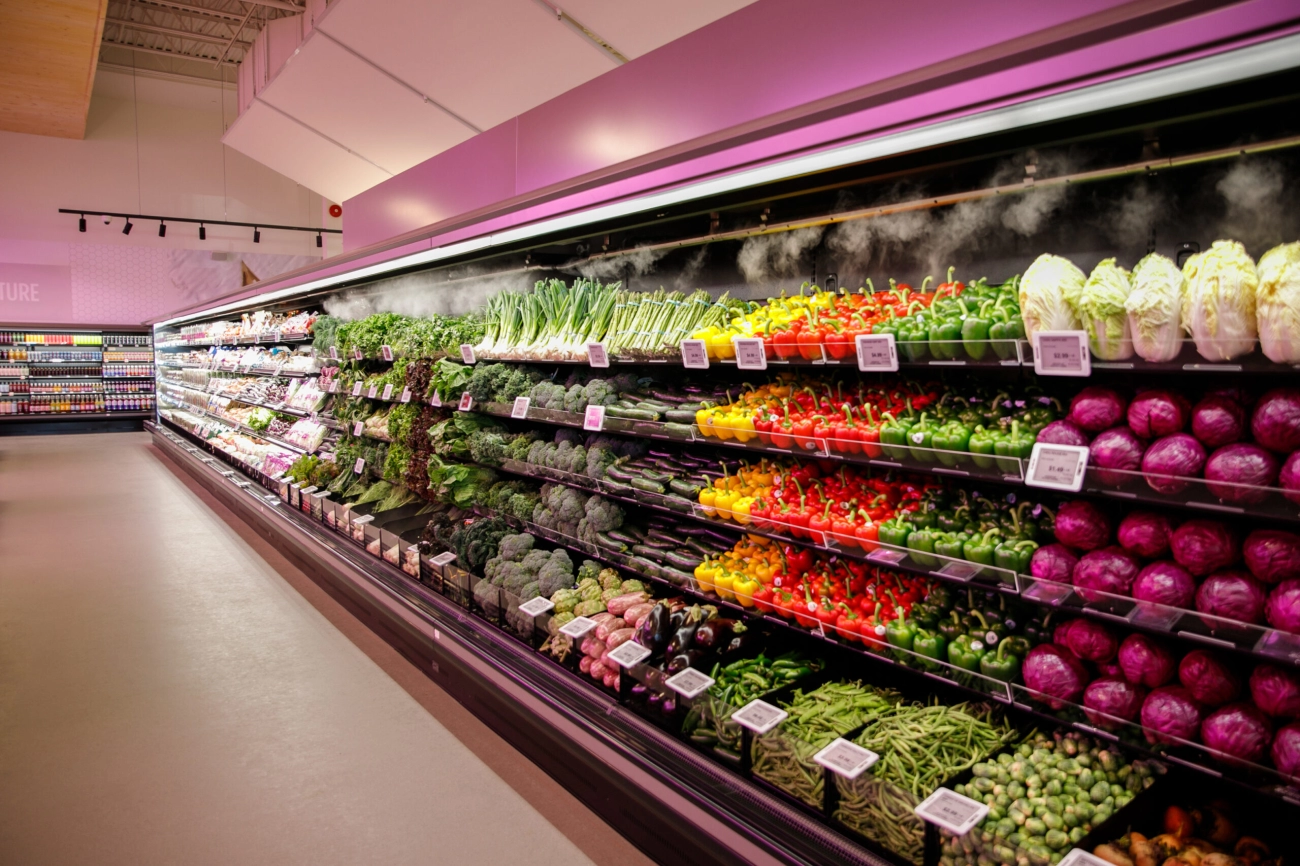
A boutique grocery in downtown Austin wanted to create a fresh, high-end feel without losing its local charm. Their old fluorescent lights made produce look dull and aisles feel cold. The upgrade used warm LED ambient lighting for comfort, focused accent lights for artisanal bread and local cheeses, and task lights in checkout areas for better visibility.
Impact:
- Produce sales went up by 18% in the first two months.
- Shoppers spent an average of 6 minutes longer per trip.
- Staff reported fewer complaints about lighting glare or eye strain.
Coastal Fresh Organic Store
A specialty organic market on the California coast struggled with uneven lighting in its seafood and deli sections. They replaced outdated fixtures with high-CRI LED lighting to better present natural colors and installed smart dimming controls to match lighting levels with daylight changes.
Measurable results:
- Fresh fish sales increased 22% due to more appealing presentation.
- Energy consumption dropped by 30% in the first quarter.
- Lighting maintenance dropped to twice a year instead of every 2 months.
Suburban Gourmet Mini-Mart
This mid-sized boutique supermarket in New Jersey wanted to highlight premium wine and local baked goods. The solution was a layered lighting system with ambient LEDs, narrow-beam spotlights for wine displays, and warm under-shelf lighting in bakery areas.
Before vs. After:
- Before: Flat, uniform lighting that made specialty displays blend in.
- After: Clear visual zones guiding customers through the store with more purposeful product placement.
Results: - Wine sales grew by 15%, bakery sales by 20%.
- Customers mentioned the store felt “more upscale” in post-purchase surveys.
Practical Tips and Checklist for Implementing Boutique Supermarket Lighting Systems
Plan Your Lighting Layout and Design Requirements
A solid plan is the starting point for any boutique supermarket lighting system. Don’t just think about brightness—think about how lighting affects shopper flow, mood, and product visibility.
Steps to plan effectively:
- Map the store layout showing aisles, fresh produce areas, display counters, and checkout zones.
- Identify “hot spots” where lighting can draw attention to specials or premium products.
- Select different lighting types (ambient, accent, task) for each zone.
- Factor in ceiling heights, power points, and fixture positioning to avoid dark spots or glare issues.
For more inspiration on store design, you can check out supermarket lighting design which breaks down effective layouts.
Work With Lighting Professionals
While you can do basic planning in-house, partnering with experienced retail lighting installers helps turn your ideas into an efficient, attractive setup. They can:
- Recommend the best lighting fixtures for boutique grocery stores that match your style and budget.
- Fine-tune color temperature and CRI to make produce, meats, and baked goods look fresh and appealing.
- Ensure you meet local electrical codes and safety regulations.
- Advise on energy-efficient LED lighting and smart controls.




 English
  French
  Arabic
  German
  Spanish
  Italian
  Portuguese
  Esperanto
  Greek
Greek  Finnish

Very good info. Lucky me I ran across your
website by accident (stumbleupon). I’ve book-marked iit ffor later!