

Why Specialized Lighting Solutions Are Crucial for Supermarket Fresh Food
Fresh food lighting is more than just about visibility — it directly influences how shoppers perceive freshness, quality, and even taste. In supermarkets, the right illumination can make produce look crisp, seafood glisten, and bakery items appear oven-fresh. On the other hand, poor lighting can make the same items seem dull, dry, or even less safe to consume.
Supermarkets that invest in specialized fresh food lighting solutions gain a competitive advantage because they create an inviting shopping experience while preserving product integrity.
The Role of Lighting in Perceived Freshness and Quality
Shoppers often decide what to buy with their eyes first. Lighting impacts how:
- Produce colors appear rich and vibrant, boosting the appeal of greens, reds, and yellows.
- Meat displays retain natural reds that signal freshness.
- Seafood looks succulent, with natural shimmer and clean tones.
- Baked goods showcase golden crusts and soft textures.
Studies show that high Color Rendering Index (CRI) and correct color temperature dramatically influence how customers judge a product’s quality — even if that product hasn’t changed physically.
Differences Between General Store Lighting and Fresh Food Lighting Requirements
General store lighting focuses on overall brightness, energy efficiency, and ambiance, but fresh food lighting has additional needs:
| Aspect | General Store Lighting | Fresh Food Lighting |
|---|---|---|
| Purpose | Broad illumination | Enhance visual freshness & appeal |
| Color Rendering Index (CRI) | ~80 CRI | 90+ CRI for accurate colors |
| Color Temperature | Uniform across store | Adjusted to product category |
| Beam Control | Wide area | Precise focusing on displays |
| Spoilage Concerns | Not significant | Must avoid heat or UV-induced deterioration |
Fresh food lighting is category-specific, requiring careful adjustments per section to maintain both appeal and quality.
Challenges in Lighting Fresh Produce Meat Seafood Bakery and Deli Areas
Different fresh food zones present unique challenges for supermarket lighting designers and operators:
- Fresh Produce: Needs cool or neutral lighting (~3500–4000K) to make greens pop and reds appear rich without fading.
- Meat Displays: Specialized meat lighting enhances red tones while reducing browns. Poor choice here can make products look unappealing.
- Seafood Sections: Requires cooler lighting (~5000K) to give a fresh, clean appearance while avoiding heat that could accelerate spoilage.
- Bakery Areas: Warm lighting (~2700–3000K) brings out golden tones and makes goods look freshly baked.
- Deli Counters: Needs balanced warm-white lighting for sliced meats and cheeses to look both fresh and appetizing.
Selecting the wrong lighting in any of these areas can have an immediate negative impact on sales.
Key Features of Effective Fresh Food Lighting Solutions
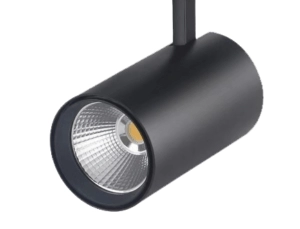
When it comes to supermarket fresh food lighting solutions, the wrong setup can make produce look dull, meat lose its appetizing color, or seafood appear less fresh. The right lighting not only enhances appearance but also protects quality and shelf life. Here’s what matters most:
High Color Rendering Index CRI for Accuracy
- CRI measures how accurately lighting shows colors compared to natural sunlight.
- For fresh food areas, aim for CRI 90+ to make colors look true and appealing.
- Example: Red meat looks vibrant under high CRI light, while produce keeps its natural greens and reds.
| Fresh Food Area | Recommended CRI |
|---|---|
| Produce | 90+ |
| Meat/Seafood | 90+ |
| Bakery/Deli | 90+ |
Color Temperature Recommendations
Different food types look best under different lighting tones:
| Food Category | Ideal Color Temp (Kelvin) | Effect on Appearance |
|---|---|---|
| Red Meat | 2700K–3000K (warm) | Rich reds, warm tones |
| Produce | 3500K–4100K (neutral) | Fresh greens, vibrant yellows and reds |
| Seafood | 4000K–5000K (cool) | Clean, crisp, fresh look |
| Bakery | 2700K–3000K (warm) | Golden, inviting tones |
Lighting Uniformity and Intensity
- Keep consistent light spread so no areas look shadowed or uneven.
- Avoid overly bright spots—too much intensity can overwhelm customers or distort natural color.
- Balanced illumination makes displays look full, fresh, and appealing from all angles.
Preventing Light-Induced Spoilage
- Certain lighting can generate heat or UV that speeds up food deterioration.
- Use LED lighting with minimal heat output and low UV emission to protect freshness.
- For sensitive items like seafood or leafy greens, avoid overly intense direct light—use diffused or indirect fixtures.
These features are what separate general retail lighting from specialized fresh food LED lighting for supermarkets. The goal is not only to attract the customer’s eye but to keep products looking (and staying) fresh until purchase.
Types of Lighting Technologies for Fresh Food Displays
When it comes to supermarket fresh food lighting solutions, not all lighting is created equal. Different fresh food categories—like produce, meat, seafood, bakery, and deli—demand lighting that shows colors accurately, enhances appeal, and protects product quality. Here are the main options that work best in U.S. supermarkets.
LED Lighting Advantages
LEDs have become the go-to choice for fresh food displays because they combine energy efficiency, long life, and consistent light quality. They run cooler than older lighting types, which helps reduce heat-related spoilage. They’re also dimmable, so stores can fine-tune brightness for time of day or product type.
Key benefits of LEDs for fresh food displays:
- Lower energy bills compared to halogen or fluorescent
- Longer lifespan, cutting maintenance costs
- High CRI for realistic color presentation
- Reduced heat emissions to protect sensitive items like leafy greens or seafood
Tunable White and Color Enhanced LEDs
Tunable white LEDs let you adjust color temperature throughout the day or for different products. For example:
- Cooler tones for seafood and leafy greens to make them look crisp and fresh
- Warmer tones for bread and pastries to boost the “freshly baked” feel
Color enhanced LEDs are fine-tuned to make certain colors pop—like bright greens in produce or deep reds in beef—while still staying true-to-life.
Specialty Fresh Food Lamps
Using specialty lighting for certain categories can make a big difference in sales:
- Red meat optimized lighting: Enhances the rich red tones without distorting natural color, encouraging quicker purchases.
- Cool white lighting for produce: Keeps fruits and vegetables looking vibrant and fresh.
- Warm tones for bakery and deli: Promotes a cozy, inviting look that draws customers in.
Smart Lighting Controls
Modern smart lighting systems allow for automated adjustments based on:
- Time of day – Dim lights during slow hours to save energy, boost them during peak times
- Ambient light levels – Adjust LED output to match natural light coming through windows
- Zoned displays – Fine-tune lighting for each department independently (produce, meat, seafood, bakery, deli)
With these technologies working together, supermarkets can maintain product freshness, visual appeal, and energy savings without constant manual adjustments.
Energy Efficiency and Sustainability in Supermarket Fresh Food Lighting Solutions

How LED and Smart Controls Cut Energy Use and Costs
Switching to LED fresh food lighting is one of the fastest ways supermarkets in the U.S. are lowering energy bills. Compared to older fluorescent or halogen options, LEDs use up to 60–80% less power while delivering better light quality. Pairing LEDs with smart lighting controls—like timers, motion sensors, or daylight sensors—means lights aren’t running at full capacity when they don’t need to.
For fresh food areas, smart controls can:
- Dim lights during off-peak hours or restocking times.
- Adjust brightness based on daylight coming through store windows.
- Zone control—use higher intensity for key fresh food displays and lower it elsewhere.
This setup not only cuts power usage but also helps extend light lifespan, meaning fewer replacements and lower maintenance costs.
Environmental Benefits of Efficient Lighting
LED and smart lighting systems also make supermarket operations greener. Using less electricity reduces CO₂ emissions linked to power generation. Longer-lasting lights mean less waste—fewer bulbs in landfills and fewer resources used to manufacture replacements.
Many supermarket chains are using energy-efficient fresh food lighting as part of their corporate sustainability goals, which can also improve brand image and align with customer expectations for eco-conscious practices.
Real-World ROI from Energy Saving Lighting
U.S. supermarkets that have switched to energy-efficient supermarket lighting solutions consistently report a strong return on investment:
| Store Type | Upgrade | Annual Energy Savings | Payback Period | Added Benefits |
|---|---|---|---|---|
| Regional Grocery Chain | Full LED upgrade with smart zone controls | 58% reduction in lighting costs | 18 months | Better product presentation, lower bulb replacement labor |
| Independent Supermarket | Bakery, produce, deli LED conversion | 45% reduction in section lighting costs | 14 months | Fresher look on baked goods and produce, customer compliments |
| National Retailer | Meat/seafood optimized LEDs + dimming controls | 62% reduction in meat case lighting costs | 20 months | Reduced product discoloration, increased sales uplift in meat dept. |
Energy efficiency in supermarket fresh food lighting isn’t just about saving money—it’s about lower costs, better displays, and a smaller footprint all at once.
Design Strategies for Optimizing Fresh Food Lighting Solutions
Creating an effective supermarket fresh food lighting solution isn’t just about brightness — it’s about using the right lighting design to make produce, meat, seafood, bakery, and deli sections look fresh, appealing, and true-to-color. Well-planned lighting can guide shoppers’ attention, enhance the shopping experience, and even increase sales.
Layered Lighting Approach
The best fresh food lighting setups use a layered approach:
- Ambient Lighting – Sets the overall brightness level for the area, ensuring a comfortable shopping environment.
- Accent Lighting – Draws attention to key product areas, especially displays and promotions.
- Task Lighting – Supports staff in food preparation or restocking areas where visibility is crucial.
When these layers work together, they create a visually balanced space that feels bright but not harsh.
Directional Lighting to Highlight Texture and Freshness
Directional lighting can make a big difference in how fresh food looks. For example:
- Produce Lighting – Aim lights at an angle to capture the natural texture and vibrant colors.
- Meat and Seafood Displays – Use specialized tones to make reds look richer and seafood glisten without washing out the delicate colors.
- Bakery Sections – Softer warm light enhances golden browns and makes baked goods look more appetizing.
Integration with Store Layout and Merchandising
Lighting should work hand-in-hand with store layouts and product positioning. Key considerations include:
- Aligning accent lights with shelf positions and product zones.
- Using adjustable track lighting for seasonal changes or display reconfiguration.
- Creating visual flow through the store, using light to subtly guide shoppers from one department to the next.
If you’re using modular track lighting, referencing commercial LED track lights for supermarket aisles can be a useful starting point for flexibility and focus.
Managing Glare, Shadows, and Contrast
Poor lighting placement can cause glare, deep shadows, or uneven contrast, which not only makes products less appealing but can cause discomfort to shoppers. Avoid these issues by:
- Using diffusers to soften light where necessary.
- Adjusting beam angles to eliminate harsh shadows on displays.
- Maintaining consistent lighting levels across aisles to support product visibility from all angles.
For supermarkets aiming to stand out, integrating these strategies ensures every department delivers maximum visual impact while keeping energy use efficient. A smart design combines technical lighting know-how with a deep understanding of retail behavior — something the leading modular supermarket track lighting suppliers can help you achieve.
Common Mistakes to Avoid in Fresh Food Lighting
Getting fresh food lighting right in a supermarket isn’t just about making things brighter—it’s about using the right light the right way. The wrong approach can hurt product quality, increase waste, and even push customers away. Here are the most common mistakes we see in supermarket fresh food lighting and how to avoid them.
Over Illumination
More light isn’t always better. Excessive brightness can generate heat, which speeds up spoilage in produce, meats, and seafood. It can also cause baked goods to dry out and make seafood appear less appealing. For customers, too much glare creates an uncomfortable shopping experience.
How to avoid it:
- Use the correct light intensity for each section.
- Opt for energy-efficient LED solutions that produce less heat.
- Balance ambient and accent lighting instead of blasting every area with maximum brightness.
Wrong Color Temperature or Low CRI
Color temperature and Color Rendering Index (CRI) have a huge impact on how food looks. If the color temperature is too cool, meats can look dull and unappetizing. If it’s too warm, fish can appear discolored. Low CRI lighting washes out natural colors, making fresh produce look less vibrant.
How to avoid it:
- Use high CRI (90+) lighting for produce, meats, and bakery displays.
- Match the color temperature to the food type:
- Meat displays: warm tones (around 3000K) to enhance reds.
- Seafood: cooler whites (around 4000–5000K) for freshness.
- Bakery: warm white (around 2700–3000K) for golden tones.
- Produce: neutral to cool white (around 3500–4500K) for natural greens.
Poor Lighting Uniformity and Zoning
Uneven lighting creates dark spots and shadowed areas, which can make even the freshest food look unappealing. Ignoring proper zoning means all sections get the same treatment, rather than lighting tailored to each food category.
How to avoid it:
- Maintain consistent light coverage across displays.
- Create zoned lighting plans so bakery, deli, produce, meat, and seafood each get the right light recipe.
- Use directional lighting to highlight textures without casting harsh shadows.
How Supermarket Lighting Supplier Supports Your Fresh Food Lighting Needs
Tailored Lighting for Each Fresh Food Category
We know fresh food areas each have their own unique lighting demands. That’s why we design specific lighting solutions for:
- Produce – Brighter, cool-toned lighting to keep colors crisp for fruits and vegetables.
- Meat displays – Warm, red-enhancing light to bring out natural tones without altering true color.
- Seafood counters – Cooler light to keep fish and shellfish looking fresh and clean.
- Bakeries – Warm ambient lighting to enhance golden browns and create a welcoming feel.
- Deli sections – Balanced light that keeps sliced meats and cheeses appetizing throughout the day.
Product Portfolio for Supermarket Fresh Food Lighting
We offer a wide range of LED lighting solutions designed for fresh food retail:
- High CRI LED fixtures for accurate color representation.
- Tunable white LEDs to adjust light temperature as needed.
- Specialty food lighting optimized for meat, seafood, and produce.
- Smart lighting controls for adapting to time of day, ambient light shifts, and display changes.
Expert Consultation and Custom Lighting Design
Every supermarket layout is different. Our team offers:
- On-site assessments to understand your store’s unique needs.
- Custom lighting design plans based on product mix, traffic flow, and display style.
- Energy efficiency planning to reduce operational costs without losing visual appeal.
Customer Results and Success Stories
We’ve helped U.S. supermarkets boost product appeal and sales while cutting energy costs:
- A Midwest grocery chain reported 15% higher produce sales after installing our high-CRI LED system.
- A coastal seafood market reduced lighting energy use by over 40% after switching to our smart LED solutions.
- Multiple independent bakeries noted an improved customer response thanks to warmer, more inviting lighting.




 English
  French
  Arabic
  German
  Spanish
  Italian
  Portuguese
  Esperanto
  Greek
Greek  Finnish

Leave A Comment