
If you’re managing a grocery store or supermarket, you already know that lighting design isn’t just about visibility—it can transform how customers experience your space and even boost your sales. But what does effective supermarket lighting design really look like?
In this post, you’ll get practical insights on how smart lighting choices—from the right color temperature to energy-efficient LEDs—can make your products pop and keep shoppers comfortable. Whether you’re interested in cutting energy costs or creating inviting displays, this guide dives into the key strategies every retail manager should know.
Ready to brighten up your supermarket the right way? Let’s get started with what makes great lighting truly work in retail environments.
Key Principles of Supermarket Lighting Design
When designing supermarket lighting, it’s crucial to strike the right balance between ambient, task, and accent lighting. Each type plays a distinct role in shaping the shopping experience and influencing customer behavior.
Balancing Ambient Task and Accent Lighting
- Ambient lighting provides overall illumination, creating a comfortable environment where customers can navigate easily without strain.
- Task lighting targets specific areas like checkout counters and workstations, ensuring accuracy and safety for employees.
- Accent lighting draws attention to featured products, promotions, or fresh displays, enhancing visual appeal and encouraging purchases.
Finding the right mix of these lighting layers helps maintain a welcoming atmosphere while supporting operational needs.
Importance of Uniform Illumination Without Glare
Uniform lighting is vital in supermarkets to avoid dark spots and reduce shadows that can confuse shoppers. But a bright store isn’t enough — glare can harm visibility and comfort, leading to customer frustration and even safety risks.
- Use diffusers and proper fixture placement to ensure smooth, even light distribution.
- Employ anti-glare design principles for fixtures, especially in aisles and checkout areas.
This results in a well-lit space where products truly stand out and customers feel at ease.
Color Temperature and Color Rendering Index CRI Considerations for Product Appeal
The choice of color temperature and Color Rendering Index (CRI) directly affects how products look under supermarket lighting:
- Color temperature ranges from warm (2700K-3000K) to cool (4000K-5000K). Warmer tones create a cozy feel, ideal for meat and deli counters to highlight richness, while cooler temperatures help produce sections look fresh and vibrant.
- High CRI lighting (80+) is essential—this rating ensures colors appear natural and appealing, making fruits, vegetables, baked goods, and packaged products look their best.
Selecting the right lighting specs promotes product appeal, encourages purchases, and enhances overall store branding.
Focusing on these core principles of supermarket lighting design sets the foundation for a well-illuminated, shopper-friendly environment that supports sales and operational efficiency with smart retail lighting best practices.
Types of Lighting Used in Supermarkets
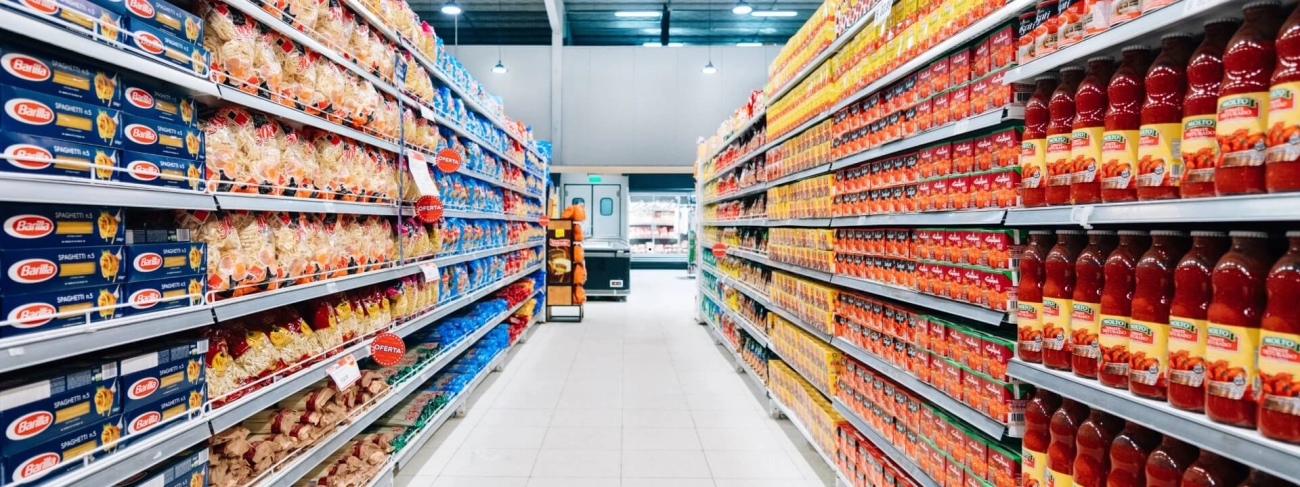
Choosing the right lighting type is crucial for both product appeal and energy efficiency in supermarket lighting design. Here’s a breakdown of the most common lighting options and how they fit into grocery store lighting ideas.
LED Lighting Benefits and Applications
LED lighting has quickly become the go-to solution in supermarkets across the US. Its major benefits include:
- Energy efficiency: LEDs use significantly less energy than traditional bulbs, helping lower utility bills.
- Long lifespan: These fixtures last longer, reducing maintenance costs and downtime.
- High color rendering index (CRI): They make products look vibrant and true to life, especially fresh produce and meats.
- Flexibility: LEDs come in different shapes, sizes, and color temperatures, perfect for ambient, task, and accent lighting zones.
You’ll often find LED lighting used in produce displays, aisles, and entrance areas to create a bright, inviting atmosphere that highlights product freshness and quality.
Fluorescent and Halogen Options Pros and Cons
While many stores have shifted toward LEDs, fluorescent and halogen lights are still common in some setups.
- Fluorescent lighting:
- Pros: Relatively low cost upfront, decent energy efficiency compared to older incandescent bulbs.
- Cons: Poorer color rendering compared to LEDs, flicker issues, and shorter lifespan. They also contain mercury, demanding careful disposal.
- Halogen lighting:
- Pros: Offers warm light that enhances the look of meat and deli counters.
- Cons: Higher heat output and energy consumption, shorter lifespan, and more maintenance needed. Less energy-efficient compared to LEDs.
Generally, halogen is best for accents while fluorescent might be found in back-of-house areas, but LED alternatives are typically more cost-effective long-term.
Smart Lighting Controls and Automated Systems for Energy Savings
Smart lighting systems are becoming key players in modern supermarket light layout design. These include:
- Motion sensors that dim or turn off lights in low-traffic zones.
- Daylight sensors to adjust indoor lighting based on natural light availability.
- Automated timers that optimize lighting schedules for different store hours.
Using these controls can cut energy costs by up to 30% while maintaining consistent, well-lit shopping areas. Plus, automated systems help extend the life of your lighting fixtures by reducing unnecessary usage. This aligns perfectly with energy-efficient store lighting goals and sustainability efforts that many US retailers prioritize today.
By understanding the strengths and limits of different supermarket lighting fixtures, stores can optimize visual appeal and operational efficiency while controlling costs. Integrating LED lighting with smart controls offers a powerful combination that fits the needs of local supermarkets aiming for attractive, energy-conscious environments.
Strategic Lighting Zones in Supermarkets for Optimal Customer Experience
Designing supermarket lighting zones strategically helps create a smooth shopping journey while boosting product appeal and operational efficiency. Every area needs tailored lighting to meet its unique demands.
Entrance Lighting Creating Inviting Atmospheres
The entrance sets the first impression. Use bright, welcoming supermarket LED lighting solutions with a balanced mix of ambient and accent lights. This not only draws customers in but also makes them feel comfortable right away. Soft, uniform light with no glare ensures the atmosphere is inviting and easy on the eyes.
Produce Section Highlighting Freshness with Natural Tones
Fresh fruits and vegetables benefit from lighting with high CRI (Color Rendering Index) and color temperatures that mimic natural daylight (around 5000K-6000K). This enhances the vibrancy and natural colors of produce, making them look fresh and appealing. Avoid overly warm or dim lighting here, as it can dull colors and reduce the perception of freshness.
Meat and Deli Counters Using Warm Light to Enhance Quality Perception
In contrast, warm lighting (around 3000K) works best for meat and deli sections. It enriches red and pink tones, making the products appear juicy and high quality. This subtle, warm light enhances customer confidence in the product’s freshness and taste appeal.
Aisle Lighting Uniformity and Visibility for Easy Navigation
For aisles, the focus is on uniform illumination without shadows or glare. Consistent brightness ensures customers can easily read labels and navigate comfortably. Use commercial store lighting design principles like linear LED fixtures or smart track lighting that provide clear, steady light across the shelves.
Explore commercial LED track lighting options for supermarket aisles for uniform and energy-efficient aisle lighting solutions.
Checkout Area Balanced Lighting for Efficient Operations
Checkout zones need a balance of task and ambient lighting to support staff and customer needs. Bright, evenly distributed light without harsh shadows helps in smooth scanning of products, accurate payment handling, and reduces fatigue for cashiers. Smart lighting controls can adjust brightness here based on time of day or store traffic to save energy.
By zoning supermarket lighting to match the purpose and mood of each area, stores boost product appeal, improve shopper comfort, and support seamless store operations.
Energy Efficiency and Sustainability in Supermarket Lighting
When it comes to supermarket lighting design, focusing on energy efficiency and sustainability isn’t just good for the environment—it also helps cut costs over time. Here’s how to get it right.
Leveraging LED Technology and Sensors
- Switch to LED lighting solutions. LEDs use significantly less energy than traditional fluorescent or halogen bulbs, last longer, and produce less heat.
- Use motion sensors and occupancy controls to reduce waste by turning lights off or dimming areas when not in use.
- Combine these with smart lighting systems for real-time monitoring and adjustments to optimize energy use throughout the day.
Daylight Integration and Dimming Controls
- Maximize natural light during daytime hours by positioning fixtures near windows or skylights.
- Implement daylight harvesting systems that automatically adjust artificial lighting based on available sunlight, maintaining consistent illumination without overuse.
- Use dimming controls to customize brightness levels in different zones, helping maintain eye comfort while saving energy in less busy areas.
Maintenance Planning for Prolonged System Life
- Regular cleaning and inspection keep fixtures working at peak efficiency—dust and grime reduce light output and increase power consumption.
- Schedule proactive bulb replacements and system checks to avoid sudden failures that can disrupt store operations.
- Work with a lighting supplier experienced in supermarket lighting maintenance tips to stay ahead of potential issues and extend the lifespan of your lighting investment.
By embracing energy-efficient LED lighting, smart controls, and ongoing maintenance, you’ll create a sustainable supermarket lighting strategy that supports both your business goals and environmental responsibility.
Compliance and Safety in Supermarket Lighting Design
Ensuring your supermarket’s lighting design meets local regulations and safety standards is essential. Not only does this protect your customers and staff, but it also helps avoid costly violations and downtime.
Adhering to Local Regulations and Standards
Every state and municipality in the U.S. has specific rules covering commercial lighting—these often dictate:
- Light levels for different areas like aisles, entrances, and backrooms
- Requirements for energy efficiency and use of approved lighting types
- Guidelines on glare control to prevent shopper discomfort or accidents
- Proper use of emergency lighting systems for safety compliance
Working with a trusted retail lighting supplier familiar with these rules ensures your supermarket’s lighting setup stays fully compliant.
Emergency Lighting Systems and Safety Protocols
Supermarkets must have reliable emergency lighting to guide customers and employees safely during power outages or emergencies:
- Backup lights should automatically switch on, providing consistent illumination.
- Emergency pathways and exits must be clearly lit without interfering with standard lighting zones.
- Regular testing and maintenance of these systems help ensure they function flawlessly when needed.
Incorporating emergency lighting that meets national safety codes not only enhances security but can reduce liability risks.
Final Thoughts on Safety and Compliance
- Choose lighting solutions designed to meet sustainability goals without compromising safety.
- Implement smart lighting controls that adapt to changing conditions while maintaining regulatory compliance.
- Partner with experts like Prillumen Light to ensure your supermarket’s lighting design aligns with current codes—keeping your store safe, inviting, and efficient.
By focusing on proper commercial store lighting design, you create a safer shopping experience that supports operational success and long-term energy savings.
Case Studies of Effective Supermarket Lighting Solutions
Looking at real-world examples shows how supermarket lighting design can drive results. Brands that upgraded to smart, energy-efficient lighting systems reaped clear benefits like higher sales and lower energy costs.
Prillumen Light Supermarket Projects
Prillumen Light has worked with various supermarkets across the U.S., delivering custom LED lighting solutions tailored to store layouts and local customer behavior. Key results included:
- Sales Boost: Fresh produce and deli sections lit with carefully selected color temperatures saw a noticeable increase in customer interest and purchase rates.
- Energy Savings: Switching from outdated fluorescent or halogen lights to Prillumen’s LED systems cut energy use by up to 40%, translating into significant monthly savings.
- Enhanced Customer Experience: Uniform illumination and glare-free lighting improved shopper comfort, encouraging longer visits and easier product identification.
Industry Standard Case Examples
Beyond Prillumen Light projects, well-documented supermarket upgrades show:
- Improved Freshness Perception: Using lighting with high Color Rendering Index (CRI) makes fruits and vegetables look more vibrant and appealing.
- Operational Efficiency: Smart lighting controls adapt brightness based on time of day and foot traffic, trimming unnecessary costs without compromising visibility.
- Long-Term Benefits: Retailers reported reduced lighting maintenance needs, avoiding frequent bulb replacements thanks to durable LED fixtures paired with scheduled upkeep.
Measurable Outcomes Post Lighting Upgrade
- Energy-efficient store lighting cuts electrical bills and reduces carbon footprint.
- Increased sales come from better product visibility and customer comfort.
- Lower maintenance costs reduce downtime and service expenses.
These results confirm how investing in professional supermarket light layout design and quality fixtures enhances both the shopping environment and the bottom line. Choosing Prillumen Light means access to these proven benefits tailored for U.S. grocery stores seeking competitive edge and sustainability.
Choosing Prillumen Light for Your Supermarket Lighting Needs
When it comes to supermarket lighting design, Prillumen Light stands out with a unique approach tailored specifically for the needs of U.S. grocery stores. We understand how vital the right lighting is for both customer experience and operational efficiency, and our solutions reflect that.
Expertise in Supermarket LED Lighting Solutions
Prillumen Light specializes in designing and installing energy-efficient store lighting systems that balance ambient, task, and accent lighting seamlessly. Our team knows how to enhance visual appeal — from produce section natural tones to warm meat counter lights — all while maintaining uniformity and glare-free illumination.
Custom Solutions for Local Supermarket Environments
No two stores are alike. That’s why we provide custom supermarket light layout design based on your store’s layout, size, and product range. We take into account your local environment and customer traffic patterns to optimize lighting zones, maximizing product appeal and energy savings. Our smart lighting controls and automation help reduce energy costs without sacrificing quality.
Reliable Support and Maintenance
Choosing Prillumen Light means ongoing support with supermarket lighting maintenance tips and service. We help you plan for long-term upkeep so your lighting systems perform efficiently and last. This saves you time, hassles, and unexpected expenses in the long run.
Get in Touch for a Consultation
Ready to upgrade your supermarket lighting? Contact Prillumen Light today for a personalized consultation. We’ll walk you through options, from commercial store lighting design to the latest smart lighting technology that fits your budget and goals.
- Phone: 1-800-PRILLUMEN
- Email: info@prillumenlight.com
- Website: www.prillumenlight.com
Let us help you create a well-lit, energy-smart supermarket that attracts customers and boosts sales.




 English
  French
  Arabic
  German
  Spanish
  Italian
  Portuguese
  Esperanto
  Greek
Greek  Finnish

Leave A Comment