

Looking to transform your architectural projects with expert lighting? Architectural lighting design is more than just turning on lights — it’s about shaping how spaces look, feel, and function through thoughtful illumination. Whether you’re an architect, interior designer, or property developer, understanding the principles and latest techniques of architectural lighting design can elevate your work to the next level.
In this post, you’ll discover the core concepts, innovative methods, and real-world examples that make lighting a powerful architectural tool. Plus, learn why partnering with a specialist like prillumen light can make all the difference in creating stunning, sustainable, and smart lighting solutions.
Ready to illuminate your vision? Let’s dive in.
What is Architectural Lighting Design
Definition and Scope
Architectural lighting design is the strategic planning and implementation of lighting that enhances a building’s structure, usability, and atmosphere. This design approach focuses on illuminating architectural features, spaces, and environments by blending functionality with aesthetics. It goes beyond simply placing lights; it involves selecting fixtures, light types, placement, intensity, and color temperature to complement the architectural intent.
The scope of architectural lighting includes both interior lighting design for architecture and exterior architectural lighting. It covers everything from residential rooms and commercial spaces to public landmarks and landscapes. The goal is to create a cohesive lighting experience that supports the design vision while improving usability and comfort.
Difference Between Architectural Lighting and Regular Lighting
While regular lighting primarily serves the basic need for illumination, architectural lighting plays a more intentional role:
- Focus on Structure: It highlights architectural elements like textures, materials, and shapes.
- Enhancing Mood and Ambiance: It sets a tone that aligns with the building’s purpose or brand identity.
- Integration with Design: Fixtures and lighting solutions are often custom-selected or designed to fit seamlessly with the architecture.
- Functionality Meets Beauty: It balances task lighting with accent and ambient lighting to support activities while adding visual interest.
Unlike standard lighting setups, architectural lighting considers how light interacts with form and function, using techniques like wall washing, grazing, or silhouetting to emphasize design features.
Role in Enhancing Form Function and Ambiance
Architectural lighting design plays a crucial role in transforming a space by:
- Highlighting Architectural Details: Drawing attention to textures, columns, or facades, making the building’s design stand out.
- Supporting Functionality: Providing the right amount of light for different activities, from reading in a residential space to navigation in public areas.
- Shaping Ambiance: Creating atmosphere through color temperature and layering of lights which influence a space’s mood—warm lighting for cozy settings or cooler tones for focused work.
- Improving Visual Comfort: Minimizing glare and ensuring balanced light distribution for ease and safety.
A well-executed architectural lighting design can elevate a building’s aesthetic appeal, improve occupants’ experience, and increase energy efficiency by tailoring light precisely where and when it’s needed.
Core Principles of Architectural Lighting Design
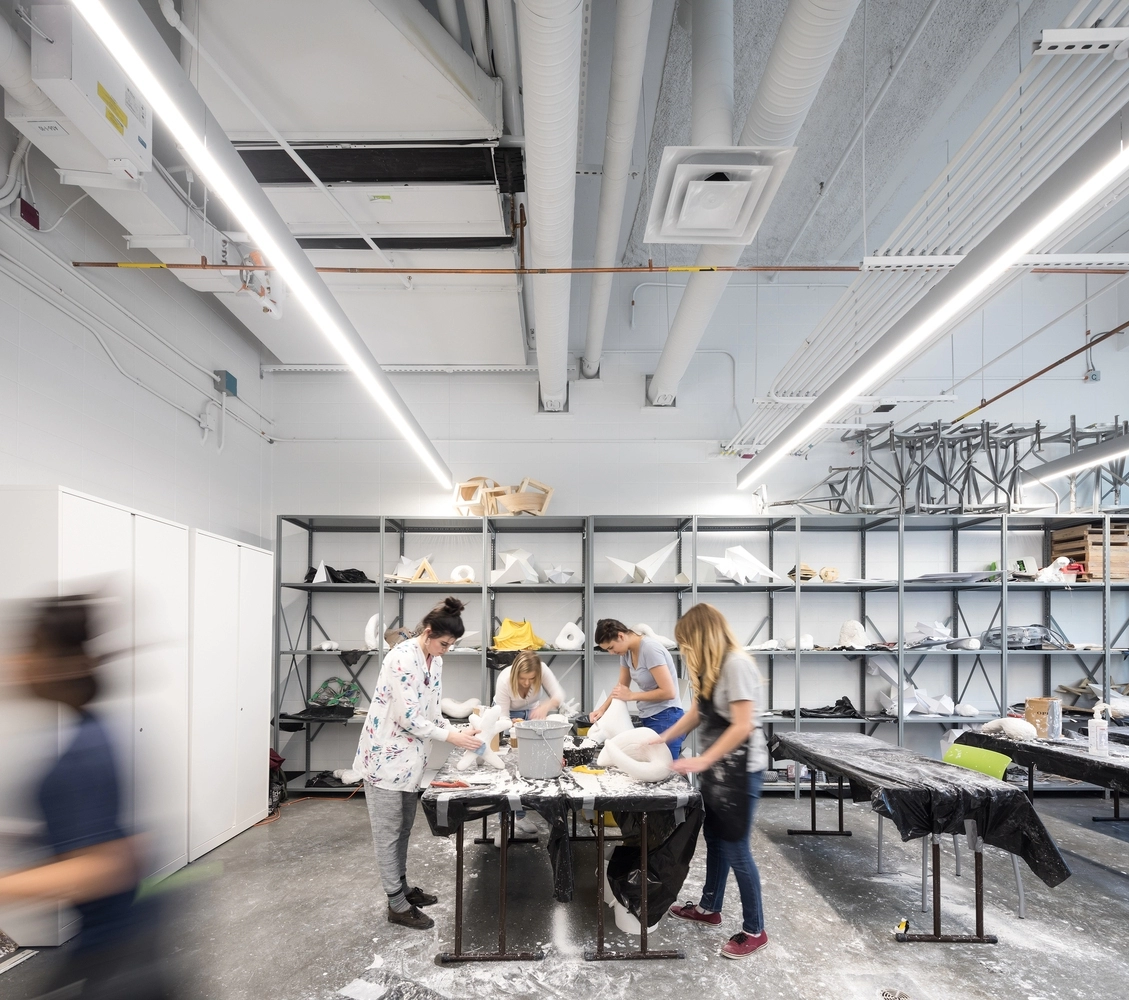
Architectural lighting design goes beyond just placing lights in a space. It’s about using light to shape the environment, enhance the architecture, and support the purpose of the space. Here are the key principles that guide effective architectural lighting design:
Layering Light for Depth and Function
One of the fundamental ideas is layering light, which means combining several types of lighting to create a balanced and functional environment. These layers include:
- Ambient lighting: The general, overall illumination that sets the base level of light in a room.
- Task lighting: Focused light for specific activities like reading or cooking.
- Accent lighting: Highlights architectural features, artwork, or textures.
- Decorative lighting: Adds style and personality with fixtures that serve a visual role beyond just illumination.
This layering approach allows for flexibility and enhances both form and function.
Balancing Natural and Artificial Lighting
The best architectural lighting design cleverly balances natural light with artificial sources. Daylight provides a dynamic spectrum and naturally shifts throughout the day, influencing mood and energy levels. Artificial lighting should complement daylight, filling in shadows without overpowering the space. This balance:
- Reduces energy consumption
- Creates comfortable, inviting interiors
- Helps maintain circadian rhythms by supporting natural light cycles
Color Temperature and Psychological Effects
Color temperature plays a big role in how a space feels—warm tones (around 2700K to 3000K) create cozy, relaxing atmospheres, while cooler tones (4000K and above) boost alertness and clarity. Selecting the right temperature can influence mood and productivity, making it essential in both residential and commercial lighting.
Ensuring Visual Comfort and Glare Control
Good architectural lighting always considers visual comfort. Too much brightness or poorly directed light can cause glare, eye strain, and discomfort. Effective design uses fixtures with diffusers, shades, or adjustable angles to minimize glare. This is particularly crucial in workspaces and public areas to ensure ease of use and accessibility.
Energy Efficiency and Sustainability
Sustainability is no longer optional. Modern architectural lighting design integrates energy-efficient technologies like LEDs and smart controls to reduce power use while maintaining quality light. Key points here include:
- Choosing energy-saving fixtures and bulbs
- Using daylight sensors and occupancy controls
- Designing for long-lasting, recyclable materials
This focus not only lowers operating costs but also aligns with growing environmental priorities in the US market.
For those interested in sustainable lighting products and detailed technical options, exploring advanced LED architectural lighting can be a great step forward. You can also find trusted solutions by visiting an architectural lighting supplier for high-quality fixture options tailored to your project.
Techniques and Types of Architectural Lighting Design
When it comes to architectural lighting design, the right techniques can transform a space, highlighting features and shaping the atmosphere. Here are some of the most effective types and methods used in both interior and exterior lighting projects.
Wall Washing Grazing Silhouetting and Spotlighting
- Wall Washing evenly lights up large surfaces, creating a smooth, bright backdrop. It’s perfect for accentuating textures like brick or stone on walls without harsh shadows.
- Grazing places light close and at a sharp angle to the surface. This technique brings out textures dramatically by emphasizing shadows and highlights — great for architectural details like columns or rough surfaces.
- Silhouetting lights objects from behind to create bold outlines. This adds depth and visual interest, especially in landscape or façade lighting.
- Spotlighting targets specific objects or areas, focusing attention where it’s needed most. It’s useful in galleries, commercial spaces, or to highlight architectural features.
Integrating LED Technology for Creative Solutions
LEDs have become industry standard in architectural lighting thanks to their energy efficiency, long lifespan, and versatility. They allow for:
- Slim, discreet fixtures that blend seamlessly into the architecture.
- Adjustable brightness and color temperature for customizing mood and function.
- Dynamic color control that supports creative designs or branding through colored lighting.
Using LED technology lets us create both subtle ambient effects and bold, vibrant statements without compromising on sustainability or cost.
Smart Lighting Controls and Automation
Modern architectural lighting is increasingly smart. Integrating control systems and automation offers benefits such as:
- Scheduled lighting that matches occupancy and natural light levels.
- Scene setting with presets for different times of day or events.
- Remote control via apps, improving convenience and energy savings.
- Adaptive systems that respond to environmental changes or user preferences.
Smart controls help balance functionality and energy efficiency, keeping spaces comfortable and visually striking.
Examples of Dynamic and Adaptive Lighting Schemes
Dynamic lighting schemes use changing light levels, colors, or patterns to enhance a space’s experience. Examples include:
- Dance of lights on building facades that respond to events or seasons.
- Interior spaces that shift lighting warmth from cool daylight tones in the morning to warm hues in the evening, supporting human circadian rhythms.
- Outdoor paths with motion-activated lights for safety and energy conservation.
- Commercial spaces with programmable color accents that reinforce branding or mood changes throughout the day.
By combining innovative architectural lighting fixtures with LED and smart controls, these adaptive solutions make lighting an active part of the architectural narrative.
Whether you are planning interior lighting design for architecture or exterior architectural lighting, the right mix of techniques and technology ensures that every project is both beautiful and efficient.
How to Approach Architectural Lighting Design in Different Spaces
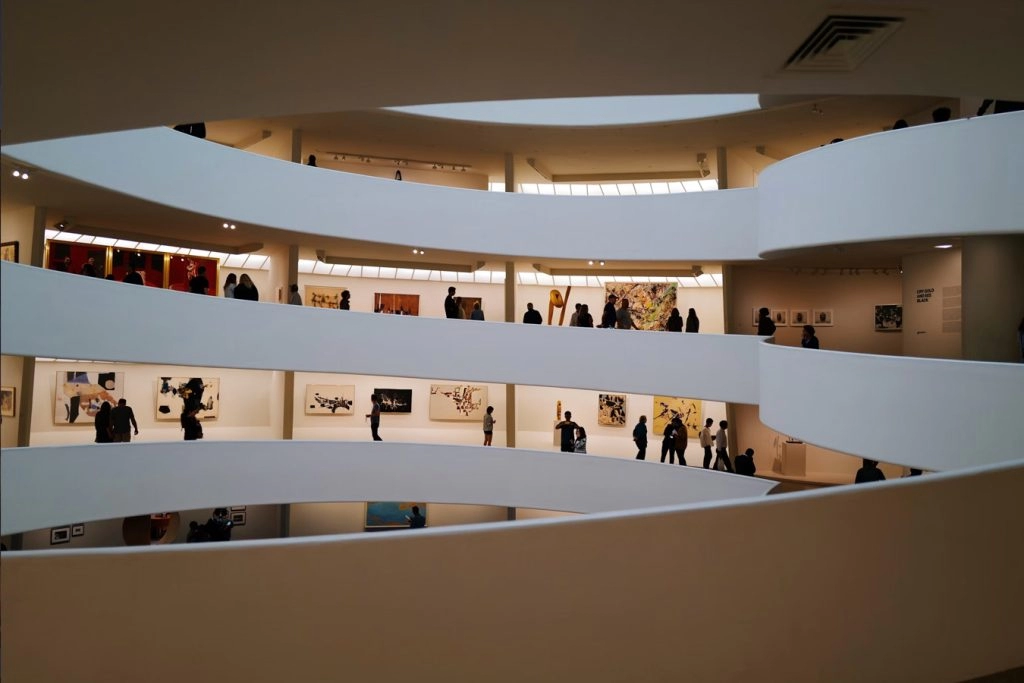
Architectural lighting design differs depending on the type of space and its purpose. Understanding the unique needs of residential, commercial, public, and outdoor areas is key to creating lighting that enhances both form and function.
Residential Architectural Lighting Design
In homes, lighting does more than brighten rooms—it highlights architectural features and helps create the right mood. Here’s what to focus on:
- Accent lighting to showcase textures like brick walls, art, or unique ceiling details.
- Layered lighting combining ambient, task, and decorative lights for flexibility.
- Warm color temperatures that promote relaxation and comfort.
- Control over brightness to adjust for activities or time of day, helping set a cozy atmosphere.
Commercial Architectural Lighting Design
For commercial buildings, lighting must support functionality while reinforcing brand identity. Here’s how to approach it:
- Use task lighting to ensure work areas are well-lit and productive.
- Incorporate accent lighting to direct attention to key signage or architectural elements reflecting the company’s style.
- Bright, cool color temperatures can promote alertness and professionalism.
- Efficient and programmable lighting controls help reduce energy costs and adapt to changing business needs.
Public Spaces and Landmark Lighting Design
Lighting for public spaces and landmarks is about impact and safety, especially at night:
- Facade lighting that dramatically showcases landmark structures while highlighting textures and form.
- Use of dynamic or adaptive lighting schemes to keep spaces visually interesting and vibrant.
- Bright, glare-free illumination along pathways and gathering spots to improve visibility and safety.
- Consistent lighting design that blends aesthetics with functionality, supporting community use after dark.
Outdoor Architectural Lighting Design
Effective outdoor lighting covers facades, landscapes, and pathways to enhance curb appeal and safety:
- Façade lighting techniques like wall washing and grazing emphasize building shapes and materials.
- Landscape lighting highlights plants and terrain while creating inviting outdoor environments.
- Pathway lighting improves navigation and security.
- Integrate energy-efficient LED fixtures and smart controls for longer-lasting, eco-friendly solutions.
By tailoring architectural lighting design to these specific environments—and choosing the right mix of LED technology, smart controls, and design techniques—you create spaces that look great and serve their users well.
Latest Trends in Architectural Lighting Design
Architectural lighting design is evolving fast, especially here in the United States where innovation meets sustainability and smart technology. Staying ahead means knowing the latest trends that are reshaping how we light buildings and urban spaces.
Human-Centric Lighting Supporting Circadian Rhythms
One of the biggest shifts is human-centric lighting. This approach uses lighting that supports our natural body clocks—our circadian rhythms—by adjusting color temperature and brightness throughout the day. Warmer tones in the evening promote relaxation, while cooler, brighter light during the day boosts alertness and productivity. This trend is particularly popular in office spaces, healthcare, and residential architecture aiming for wellness-focused environments.
Integration with IoT and Smart Buildings
Smart technology and IoT connectivity are transforming architectural lighting into more than just illumination. Smart lighting systems can now be programmed and controlled remotely, adapt automatically to occupant behavior, and integrate with other building systems for seamless energy management and enhanced comfort. This smart lighting trend is a game-changer for commercial buildings and luxury residential projects, giving users full control and improving building efficiency.
Sustainable and Eco-Friendly Lighting Products
Sustainability is front and center in architectural lighting design today. There’s a growing demand for energy-efficient LED architectural lighting, low-carbon footprint fixtures, and designs with longer lifespans. Many projects opt for recyclable materials and products certified by energy standards like ENERGY STAR. This not only cuts electric bills but also helps meet increasingly strict environmental regulations across U.S. cities.
Use of Color and Interactive Lighting in Urban Design
Finally, urban spaces are embracing colorful and interactive lighting schemes. Dynamic lights enhance public spaces and landmarks, creating landmarks that change mood and vibrancy based on the time of day or special events. Interactive features allow people to engage with lighting through apps or sensors, making cityscapes more lively and personalized. This trend ties architectural lighting with public art and smart city concepts, significantly impacting night-time visibility and ambiance.
By combining human-centric design, smart technology integration, sustainability, and engaging visual experiences, these trends define the future of architectural lighting design in the U.S., offering smarter, greener, and more connected lighting solutions for every space.
Case Studies Prillumen Light Architectural Lighting Projects
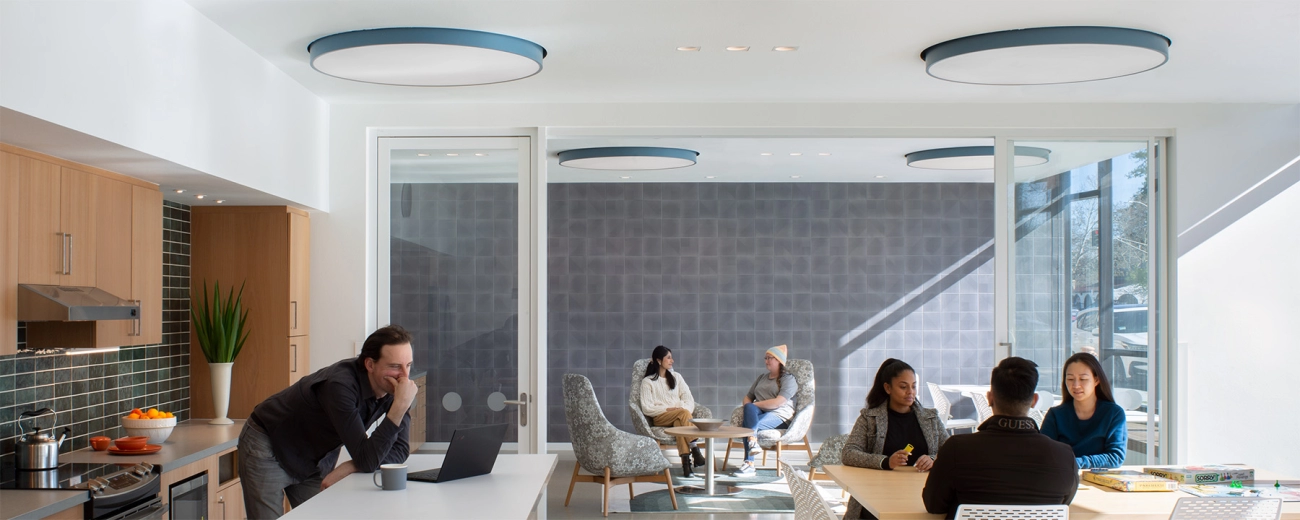
At Prillumen Light, our architectural lighting projects showcase how we tailor solutions to meet the unique needs of local U.S. communities. By focusing on exterior architectural lighting and interior lighting design for architecture, we create impactful experiences that balance aesthetics, function, and sustainability.
Local Project Highlights Tailored to Geographic Needs
We understand the diversity of architectural styles and climates across different regions. From coastal cities demanding corrosion-resistant fixtures to urban areas wanting dynamic LED architectural lighting for commercial buildings, our designs are context-specific. For example:
- In the Southwest, we implemented energy-efficient lighting systems that reduce heat output while highlighting natural stone facades.
- In the Northeast, our focus was on creating warm, inviting entrance lighting that combats long winter nights while supporting pedestrian safety.
- In metropolitan hubs, we integrated smart lighting controls that adjust brightness based on ambient daylight and occupancy.
Facing Design Challenges with Practical Solutions
Every project comes with its own set of challenges, from controlling glare in glass-heavy buildings to balancing daylight with artificial light in open office spaces. We address these issues by:
- Using wall washing and grazing techniques to enhance textures without harsh shadows.
- Applying glare control principles for visual comfort in commercial office lighting.
- Incorporating smart lighting automation for adaptive lighting that responds to user needs and environmental changes.
- Choosing sustainable architectural lighting solutions that minimize energy use while maximizing light quality.
Client Testimonials and Measurable Outcomes
Our clients consistently praise how our lighting designs elevate their spaces without sacrificing efficiency. Here’s what some have said:
- “Prillumen Light transformed our building façade into a nighttime landmark. The energy savings were a great bonus.” — Commercial Property Manager, Chicago
- “The team’s expertise in balancing function and beauty has made our office space more productive and inviting.” — HR Director, San Francisco
- “Their support throughout the project was seamless, helping us choose durable fixtures perfect for our coastal location.” — Facilities Manager, Miami
These examples highlight how Prillumen Light delivers trusted architectural lighting design that meets local demands and exceeds expectations across multiple sectors—from residential and commercial to public spaces.
Choosing the Right Architectural Lighting Partner Prillumen Light Advantages
When it comes to architectural lighting design, working with the right partner can make all the difference. At Prillumen Light, we understand the unique lighting needs of U.S. residential, commercial, and public spaces. Here’s why we stand out as your trusted architectural lighting designer and contractor.
Expertise in Design and Execution
Our team brings extensive experience in both interior lighting design for architecture and exterior architectural lighting. We don’t just install lights—we carefully craft lighting schemes that enhance form, function, and ambiance. From detailed lighting plans to on-site execution, we manage every step to ensure seamless results tailored to your specific space and style.
Premium Lighting Products and Technology
Prillumen Light uses only high-quality, energy-efficient fixtures including advanced LED architectural lighting and smart lighting controls. Our selection emphasizes durability and sustainability, making it easier to meet energy goals and reduce maintenance costs. This means your lighting is not only beautiful but built to last—perfect for U.S. outdoor weather and urban settings.
Dedicated Support Throughout Your Project Lifecycle
We are with you from the first consultation through design, installation, and final tuning. Our dedicated project managers ensure clear communication and fast resolution of any challenges. This hands-on approach simplifies the process and guarantees your lighting meets every functional and aesthetic requirement.
Commitment to Quality and Sustainability
Sustainability matters to us and our clients. Prillumen Light focuses on sustainable architectural lighting solutions that lower energy consumption without sacrificing visual impact. Our work aligns with the latest green building standards, helping you support a cleaner environment while enhancing your space’s appeal.
Choosing the right partner for your architectural lighting ideas means balancing innovation, reliability, and local expertise. With Prillumen Light, you get a trusted contractor who knows how to bring your vision to light—efficiently, beautifully, and responsibly.
Frequently Asked Questions About Architectural Lighting Design
What Factors Influence Architectural Lighting Design Cost
Several key factors affect the cost of architectural lighting design, especially in the U.S. market:
- Project complexity: More intricate designs with multiple lighting layers or smart controls raise costs.
- Type of fixtures: Premium LED architectural lighting and specialty fixtures cost more than standard options.
- Scale and space: Larger commercial or exterior lighting projects require more materials and labor.
- Technology integration: Incorporating smart lighting, automation, or IoT increases upfront expenses.
- Energy efficiency goals: Sustainable solutions might need higher initial investment but save money long-term.
- Installation challenges: Difficult access or custom mounting in historic or landmark buildings add to labor costs.
Understanding these factors helps budget realistically for interior lighting design for architecture or outdoor façade and landscape lighting.
How to Balance Aesthetics and Functionality in Architectural Lighting
Balancing looks and function is vital in architectural lighting design. Here’s how to achieve that:
- Layer your lighting: Use ambient, task, accent, and decorative lights to meet both practical and visual needs.
- Focus on purpose: Task lighting should enhance usability, while accent lighting highlights features and creates mood.
- Control glare: Proper placement and fixtures prevent eye strain and improve visual comfort.
- Match color temperature: Choose lighting that supports the space’s ambiance and use (e.g., warmer tones for homes, cooler for offices).
- Incorporate natural light: Blending natural and artificial light improves atmosphere and saves energy.
This approach ensures your architectural lighting ideas don’t just look good but serve real users well.
Can Architectural Lighting Reduce Energy Consumption
Absolutely, modern architectural lighting can significantly cut energy use:
- LED technology: Using high-efficiency LED architectural lighting fixtures drastically lowers power consumption compared to traditional bulbs.
- Smart controls: Timers, dimmers, and sensors adjust lighting based on occupancy or daylight, preventing waste.
- Sustainable design: Incorporating daylight harvesting and energy-efficient layouts optimizes power use.
- Quality products: Investing in durable, efficient fixtures reduces replacements and maintenance, saving costs.
By prioritizing energy efficiency, you not only support sustainability but also reduce your utility bills.
What Are the Most Durable Lighting Options for Exteriors
For exterior architectural lighting, durability is key due to weather exposure. Consider these options:
- LED fixtures with robust housing: Look for corrosion-resistant materials like aluminum with powder coatings.
- IP-rated products: Choose fixtures rated IP65 or higher for protection against dust and water.
- Tempered glass lenses: These withstand impacts and harsh weather.
- Solar-powered options: Great for reducing wiring complexity and ensuring consistent operation.
- Low-maintenance designs: Select fixtures that allow easy bulb replacements or have long lifespan LEDs.
These choices help ensure your façade, landscape, and pathway lighting stand strong in all U.S. climates.
If you have more questions or want advice tailored to your specific architectural lighting project, reaching out to local commercial architectural lighting contractors or experienced architectural lighting designers can make all the difference.



 English
  French
  Arabic
  German
  Spanish
  Italian
  Portuguese
  Esperanto
  Greek
Greek  Finnish

Leave A Comment