

If you’re managing an art gallery, you already know that lighting can make or break the way visitors experience your collection. LED track lighting for art galleries has rapidly become the go-to choice—and for good reason. Offering crisp, adjustable illumination with superior colour accuracy, LED track lights not only enhance every brushstroke and detail but also protect your valuable artworks from heat damage.
In this guide, you’ll discover why LED track lighting stands out from traditional options, what key features to look for, and how to plan an installation that perfectly showcases your art. Whether you’re upgrading your current setup or starting fresh, this is the resource you need to light up your gallery like a pro.
Let’s get started.
Why LED Track Lighting is Ideal for Art Galleries
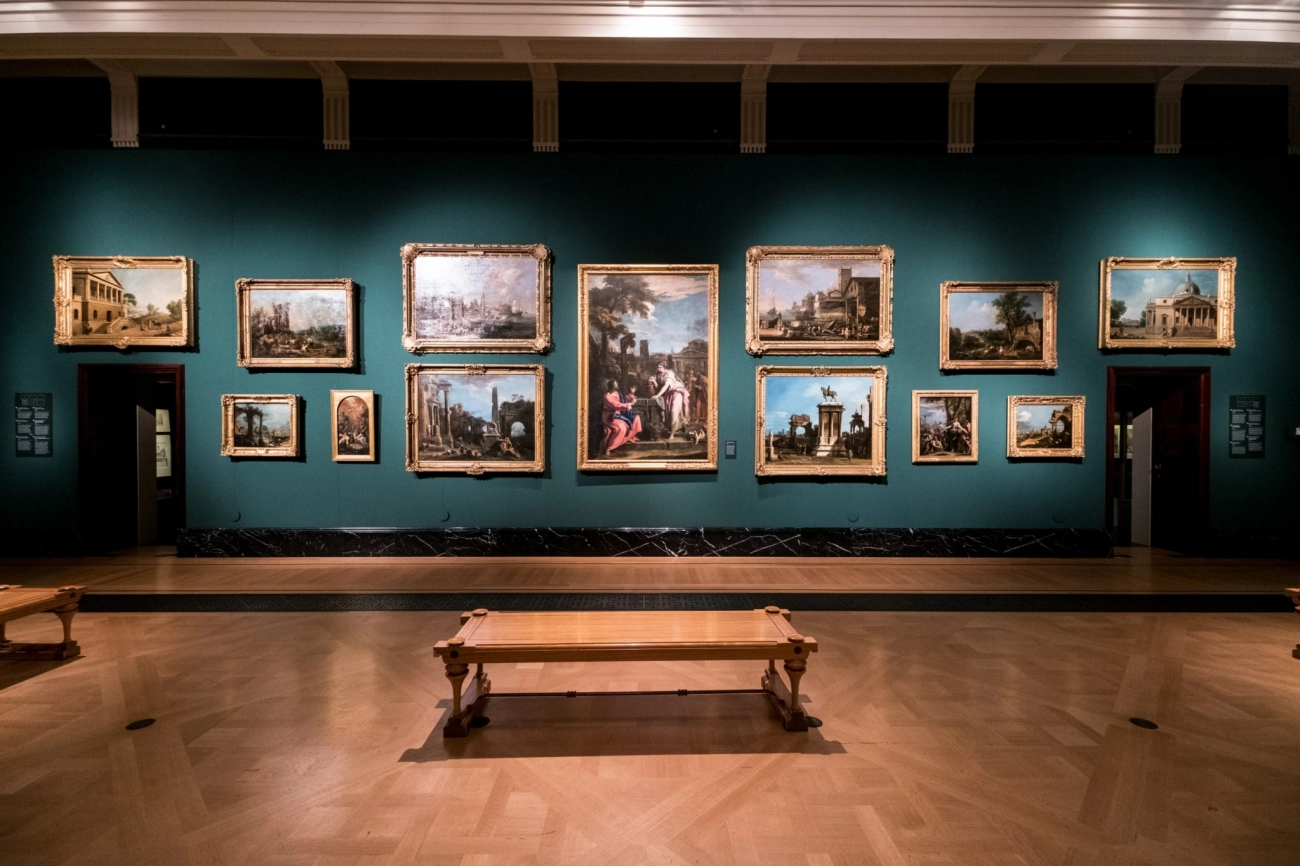
When choosing lighting for an art gallery, several key concerns come to mind: energy costs, how well the lights show colours, protecting the artwork, and ease of maintenance. LED track lighting ticks all these boxes and stands out as a smart solution for gallery spaces.
Energy Efficiency and Cost Savings
LED track lighting uses significantly less energy compared to traditional halogen or incandescent lights. That means lower electricity bills for galleries, which often run lighting for many hours each day. Plus, LEDs produce more light while consuming less power—making them ideal for large spaces without driving up costs.
Superior Colour Rendering Index for Artwork
One of the biggest worries in galleries is lighting that faithfully highlights artwork without distorting colours. LEDs come with a high Colour Rendering Index (CRI), typically 90 or above, which means artworks look vibrant and true to life. This improves visitors’ experience and helps artists present their work exactly as intended.
Adjustable Beams and Directionality
Art galleries often need to spotlight different pieces at varying angles. LED track lights provide adjustable beams and directionality, allowing you to tailor lighting to each artwork. You can easily shift spotlights or change beam widths to suit exhibitions or new installations without rewiring or replacing fixtures.
Low Heat Emission Protecting Artworks
Heat is a silent threat in galleries, as excessive heat can damage sensitive paintings, photographs, and sculptures. LED track lighting emits very little heat compared to traditional bulbs, keeping temperature stable and safeguarding the longevity of delicate pieces.
Longevity and Low Maintenance
LEDs last far longer than traditional bulbs, often up to 50,000 hours or more. For galleries, this means less frequent light replacement, saving time and maintenance costs. The durable design of LED track fixtures also reduces the risk of damage and keeps the gallery running smoothly without lighting disruptions.
LED track lighting for art galleries combines these advantages to create an efficient, adjustable, and artwork-friendly lighting solution. It’s no wonder many galleries in the UK are switching to LED to improve their energy efficiency and showcase their collections under the best light.
Key Features to Consider When Choosing LED Track Lighting for Art Galleries
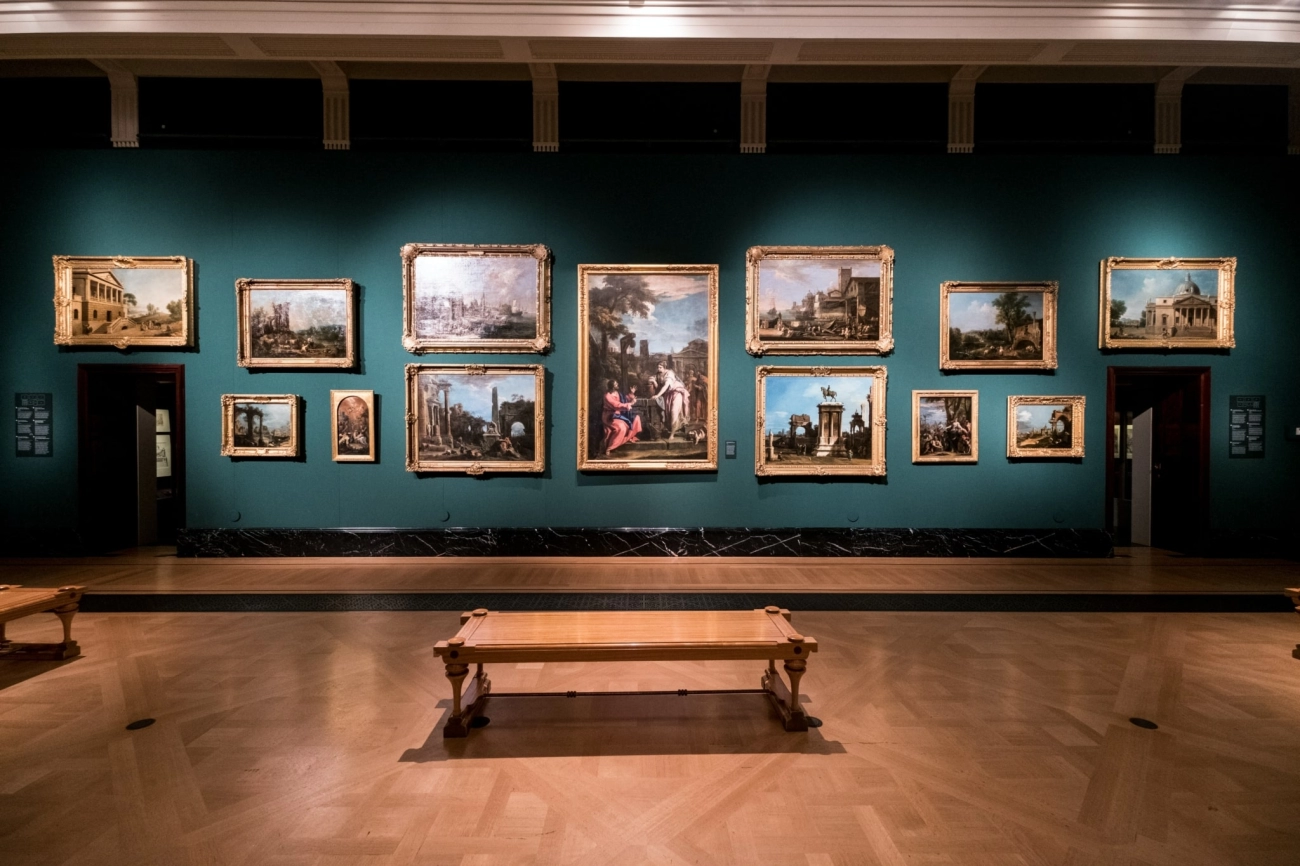
Selecting the right LED track lighting for art galleries means looking beyond just brightness. Here are the key features you need to focus on to ensure your art is shown at its best, while also fitting the practical needs of your space.
Colour Rendering Index and Colour Temperature
One of the most important factors is the Colour Rendering Index (CRI). A high CRI (90 or above) ensures colours in your artworks appear vivid and true to life under the lighting. Lower CRI values can dull or distort colours, which isn’t acceptable in gallery settings.
Alongside CRI is colour temperature. Look for LED lights with adjustable colour temperatures, usually ranging from 2700K (warm white) to 5000K (daylight). Different artworks and gallery moods call for different tones – cooler lights suit modern and abstract art, while warmer hues complement classical pieces.
Adjustable Beam Angles and Dimmability
Flexibility is key in galleries. Adjustable beam angles allow you to focus light precisely on individual pieces, creating dynamic accents without spillover or glare. Spotlights and floodlights help tailor the atmosphere on a piece-by-piece basis.
Dimmable LEDs give you control over brightness levels, letting you balance ambient and accent lighting. This is especially helpful during special exhibits, evening events, or when changing daylight conditions affect natural light.
Compatibility with Gallery Track Systems
Check if the LED track lights are compatible with existing track systems. The UK market often uses standard tracks, but it’s essential to confirm whether you need single circuit, two-circuit, or three-circuit tracks for different lighting zones.
Opting for a supplier who offers a range of track lighting fixtures for artwork ensures you can expand or modify your setup later without buying entirely new gear.
Lighting Control Options
Modern galleries benefit from smart lighting control. Features to look for include:
- Smart controls that integrate with apps or building management systems
- Dimmers for gradual lighting adjustments
- Preset scenes to switch lighting moods quickly for different exhibitions or times of day
These controls not only improve user experience but also contribute to energy efficiency.
Aesthetic and Design Integration
The lighting fixtures themselves should blend seamlessly with the gallery’s interior design. Look for sleek, low-profile LED track lights that enhance rather than distract from the art and architecture.
Consider colour finishes (black, white, silver) and styles that complement your gallery’s look. Good lighting design supports the overall ambience, framing artworks without overwhelming them.
Focusing on these features will ensure your LED track lighting enhances both the visual and operational aspects of your art gallery, creating a polished, professional display that serves your collection and visitors well.
How to Plan and Install LED Track Lighting for Art Galleries
Assessing Gallery Layout and Lighting Requirements
Planning your LED track lighting starts with understanding the gallery space and its lighting needs. Consider the size of the room, ceiling height, and the type of artwork displayed. Each piece might demand different lighting—whether it’s paintings, sculptures, or mixed media.
- Measure the space carefully to calculate how many fixtures you need.
- Identify areas that require focused spotlighting versus those that benefit from softer ambient light.
- Think about natural light sources and how they affect your artificial lighting plan.
Positioning Lights for Optimal Artwork Highlighting
The key to gallery lighting is to enhance each artwork without causing glare or uneven brightness.
- Use adjustable LED spotlights on tracks to direct light accurately.
- Position lights at a 30-degree angle to reduce reflections and shadows.
- Space fixtures to avoid overlapping beams that create hotspots.
- Consider varying beam angles for different-sized artworks: narrow for detail, wider for large pieces.
Balancing Ambient, Accent, and Task Lighting
A successful lighting scheme blends different light types:
- Ambient lighting provides overall illumination – use softer LED track fixtures or recessed lighting.
- Accent lighting highlights individual artworks. This is where adjustable LED spotlights excel.
- Task lighting may be needed at information desks or interactive areas.
Balancing these ensures the space feels inviting and the artwork stands out naturally.
Installation Tips and Safety Guidelines
When installing LED track lighting, follow these practical steps:
- Choose compatible track systems that fit your gallery’s ceiling and power supply.
- Install tracks securely using proper fixings suitable for the ceiling type.
- Ensure electrical work complies with UK regulations; always hire a certified electrician.
- Plan wiring routes to keep cables hidden and prevent trip hazards.
- Test each light for correct positioning and brightness before finalising.
Common Challenges and How to Avoid Them
Avoid these pitfalls to get the best from your track lighting:
- Uneven lighting: Prevent by careful planning of fixture spacing and beam angles.
- Glare on artworks: Position lights at the right angle and use LED lights with good diffusion.
- Heat damage: LED lights emit less heat but still keep a safe distance from sensitive pieces.
- Compatibility issues: Always check that new LED fixtures match your existing gallery track systems.
- Maintenance access: Leave enough clearance for easy bulb replacement and cleaning.
If you pay attention to these details, your LED track lighting will beautifully showcase your art while being reliable and easy to maintain.
Benefits of Professional LED Track Lighting Consultation and Supply for Art Galleries
Choosing the right LED track lighting for art galleries isn’t always straightforward, and that’s where professional advice makes a real difference. Working with a trusted LED track lighting supplier gives you access to expert guidance tailored to your gallery’s unique needs.
Expert Advice on Lighting Design
Professional consultants understand how to balance light intensity, direction, and colour to bring out the best in your artworks. They consider factors such as:
- The type and size of your gallery space
- Different materials and colours used in the art
- Ideal positioning to avoid glare and shadows
- How to create a welcoming atmosphere while showcasing each piece
Customised Lighting Solutions
Every gallery is different, so off-the-shelf lighting might not cut it. A specialist can design bespoke LED lighting setups that match your specific collection and gallery layout. Whether you exhibit delicate paintings or sculptures, your solution will include:
- Correct CRI and colour temperature for colour accuracy
- Adjustable beams suited to changing exhibitions
- Integration with your existing track systems or smart controls
Reliable Local Supply and After-Sales Support
Partnering with a local LED lighting supplier ensures you have prompt access to necessary equipment and replacements. Plus, after-sale support includes:
- Maintenance advice
- Warranty assistance
- Quick response to any technical issues
This reliability minimises downtime and keeps your gallery looking its best.
Proven Results and Client Confidence
Reputable suppliers often share case studies or client testimonials highlighting successful installations in UK galleries. These examples show how professional LED track lighting enhances artwork and visitor experience, adding real value to your investment.
By choosing expert help, you avoid common pitfalls, get the performance you need, and create a space where art truly shines.
Frequently Asked Questions about LED Track Lighting for Art Galleries
How many lumens per square foot are needed for art galleries
For gallery lighting, around 30 to 50 lumens per square foot works well to highlight artworks without causing glare. This range offers enough brightness to make colours pop while maintaining a comfortable viewing experience. Keep in mind:
- Dimmer controls help adjust lighting levels based on exhibits or time of day.
- Different artwork types (paintings, sculptures) might require subtle tweaks in brightness.
Can LED track lighting affect artwork colour accuracy
One of the major benefits of LED track lighting for art galleries is its ability to display true colours thanks to a high colour rendering index (CRI) of 90 or above. Choosing LEDs with:
- High CRI ensures colours are vivid and natural.
- Appropriate colour temperature (usually 3000K to 4000K) helps present artworks as intended by the artist.
So, when sourced correctly, LED track lighting preserves and enhances colour accuracy rather than distorting it.
Are LED lights safe for sensitive art materials
Yes, LEDs are much safer than traditional bulbs for delicate artworks because they emit:
- Very low heat, reducing the risk of heat damage.
- No UV or infrared radiation, which can degrade pigments and materials over time.
This makes LED lighting ideal for museums and galleries housing sensitive or historical pieces where preservation is a priority.
What is the average lifespan of LED track lighting
LED track lights typically last 25,000 to 50,000 hours, which means:
- Fewer replacements and less downtime.
- Reduced maintenance costs, important for busy galleries.
This longevity is a key advantage over halogen or incandescent fixtures, offering reliable performance for years.
How to maintain LED track lighting in galleries
Maintaining LED track lighting is straightforward but important to keep optimal lighting quality:
- Regular cleaning of fixtures and tracks to avoid dust build-up that can dim light output.
- Check connections and controls periodically, especially if using dimmers or smart lighting systems.
- Replace any faulty LED modules promptly to maintain uniform light across displays.
- Consider an annual professional inspection to ensure everything is working safely and efficiently.
Using high-quality LED track lighting with these points in mind will give UK galleries the best balance of art-friendly lighting, energy savings, and ease of maintenance.




 English
  French
  Arabic
  German
  Spanish
  Italian
  Portuguese
  Esperanto
  Greek
Greek  Finnish

Leave A Comment