

Are you considering track lighting but unsure if it’s the right choice for your home or commercial space? Choosing the right lighting can transform a room, highlight features, and set the perfect mood—but it’s not always clear if track lighting fits your needs.
In this post, you’ll get an honest look at the pros and cons of track lighting to help you decide if it’s the smart, flexible option for your space. From energy efficiency and sleek design to installation challenges and lighting coverage, we’ll cover all the essential points you need to know before making a decision.
Whether you’re a homeowner, interior designer, or business owner, this guide will give you practical insights to make an informed choice about your lighting setup. Ready to shed some light on the subject? Let’s get started!
What is Track Lighting Definition Components and Common Types
Track lighting is a versatile lighting solution consisting of three main components: a track, fixtures (also called heads), and a power source. The track is a metal rail mounted on ceilings or walls that supplies electricity to the fixtures, which can be easily adjusted and repositioned along the rail. This system offers flexible, directional lighting ideal for various spaces.
Key Components of Track Lighting
- Track: The base that holds and powers the fixtures; available in different lengths and shapes.
- Fixtures/Heads: Adjustable light units attached to the track, often swivel or pivot to direct light precisely.
- Mounting Hardware: Brackets and connectors used to fix the track securely to the ceiling or wall.
- Power Source: Either wired directly into the electrical system or connected via plug-in adapters.
Types of Track Lighting Systems
Understanding the different track systems helps in choosing the right one for your space:
- H-Track: Features two conductors and a central ground, most common in residential and commercial use.
- J-Track: Similar to H-track but with a different conductor layout, offering compatibility with specific fixtures.
- L-Track: Less common, with a unique rail profile supporting specific lighting heads.
- Low Voltage Track Lighting: Operates at a lower voltage for improved energy efficiency and safety, often using LED bulbs.
- Monorail Systems: More decorative and flexible in design, allowing the track to curve and create custom shapes.
Common Applications of Track Lighting in the UK
Track lighting systems suit many environments due to their flexibility and modern appeal:
- Residential Spaces: Kitchens, living rooms, and hallways benefit from adjustable lighting for tasks and ambiance.
- Retail Stores: Highlight products with targeted beams, changing arrangements easily as displays rotate.
- Art Galleries and Museums: Perfect for highlighting artwork and exhibits with adjustable, focused lighting.
- Offices and Workspaces: Provide effective task lighting and maintain a clean, professional look.
Track lighting is a favoured choice across these settings for its blend of adaptability, sleek design, and practicality, making it a modern lighting solution for diverse UK interiors.
Pros of Track Lighting Benefits and Advantages
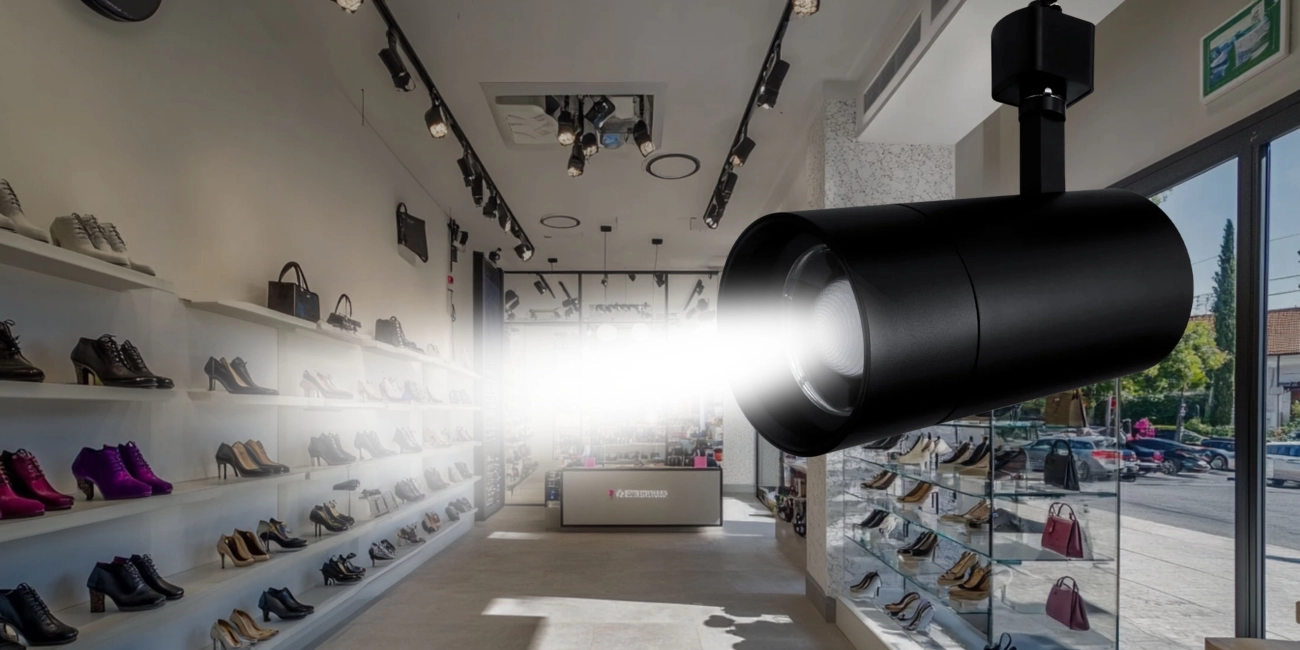
Track lighting offers several key benefits that make it a popular choice for UK homes and businesses alike. Here’s what stands out:
Flexible and Directional Lighting Adjustable Heads for Targeted Illumination
One of the biggest advantages is the flexibility track lighting provides. The heads are adjustable which means you can aim light exactly where you need it—whether to highlight artwork, brighten workspaces, or create mood lighting. Plus, it’s easy to move and reposition the lights as your needs change over time, making it a versatile solution for every room.
Modern Aesthetic Appeal Sleek and Minimalist Design
Track lighting has a clean, modern look that fits well with contemporary interiors across the UK. Its sleek, minimalist design doesn’t overwhelm the space but rather complements architectural features or artwork. This makes it a go-to lighting choice for fashionable homes, galleries, and stylish offices wanting an elegant yet practical look.
Space Saving and Easy Installation Ideal for Small Spaces
Mounted on ceilings or walls, track lighting is a space saver—perfect for rooms where floor or table lamps aren’t an option. It’s also simpler to install than recessed lighting, requiring less construction work and mess. For small flats or rooms with low ceilings, this can be a real advantage.
Energy Efficiency Compatible with LED Bulbs
Track lighting is typically compatible with LED bulbs, which are popular in the UK for their energy efficiency and long lifespan. Using LEDs means you benefit from lower energy consumption and reduced electricity bills, while also lessening the frequency of bulb replacements.
Versatility in Use Suitable for Various Lighting Needs
Whether you need ambient lighting, task-focused illumination, or accent lighting, track lighting fits the bill. The systems are scalable, whether you’re lighting a cosy kitchen or a large office space. This versatility makes track lighting a smart, adaptable choice.
Cost Effectiveness Affordable Upfront and Maintenance Costs
Compared to some lighting options, track lighting is relatively affordable upfront and easy to maintain. You don’t need to spend a lot on specialist fittings or continuous upkeep, which helps keep overall costs down—an important factor for budget-conscious UK households and businesses.
Overall, the pros of track lighting—from its flexibility to cost-effectiveness—make it a strong contender in many lighting projects, delivering both style and function for UK homes and workplaces.
Cons of Track Lighting and Potential Drawbacks
While track lighting offers many benefits, it does come with some downsides to consider, especially if you’re thinking about installing it in your home or workspace.
Initial Setup Limitations and Compatibility Issues
Some track lighting systems require specific tracks and fixtures to work correctly. This means you can’t just mix and match parts from different suppliers, which can limit your options or increase costs. If you buy components from various sources, you might face compatibility issues, so it’s wise to get everything from a reliable track light supplier who offers matching parts designed to work together.
Visual Impact and Aesthetic Concerns
Track lighting can sometimes look bulky or industrial, which may not suit every interior style. The visible tracks and fixtures might stick out and draw unwanted attention, especially in homes aiming for a softer, more traditional look. Unless the design is carefully integrated, the system can feel like a distraction rather than a feature.
Limited Lighting Coverage and Directionality
Because track lights are usually directional with adjustable heads, they might not evenly illuminate an entire room on their own. You often need to add other lighting types like ceiling lights or wall lamps to avoid dark spots and achieve balanced, ambient lighting.
Electrical and Installation Constraints
Track lighting installations can get tricky, particularly for complex layouts driven by:
- The need for professional installation to handle wiring safely.
- Fixed placement on ceilings, reducing flexibility if you want to rearrange the lights or change the setup frequently.
- Some room layouts might not be suitable if the ceiling can’t support the track system or if wiring points are limited.
Maintenance Considerations and Upkeep
Track lighting can attract dust and need regular cleaning to keep it looking sharp. Unlike simple pendant lights or wall lamps, track fixtures and tracks themselves require a bit more maintenance. Additionally, replacing bulbs or fixtures could require some technical knowledge, especially if you choose advanced LED options or specialised fittings.
Knowing these disadvantages helps you weigh the decision better when considering track lighting. If your priorities include easy setup and seamless design integration, it’s worth discussing your plan with an experienced track light supplier in the UK to ensure all your lighting needs are met without surprises.
Comparing Track Lighting with Other Lighting Options
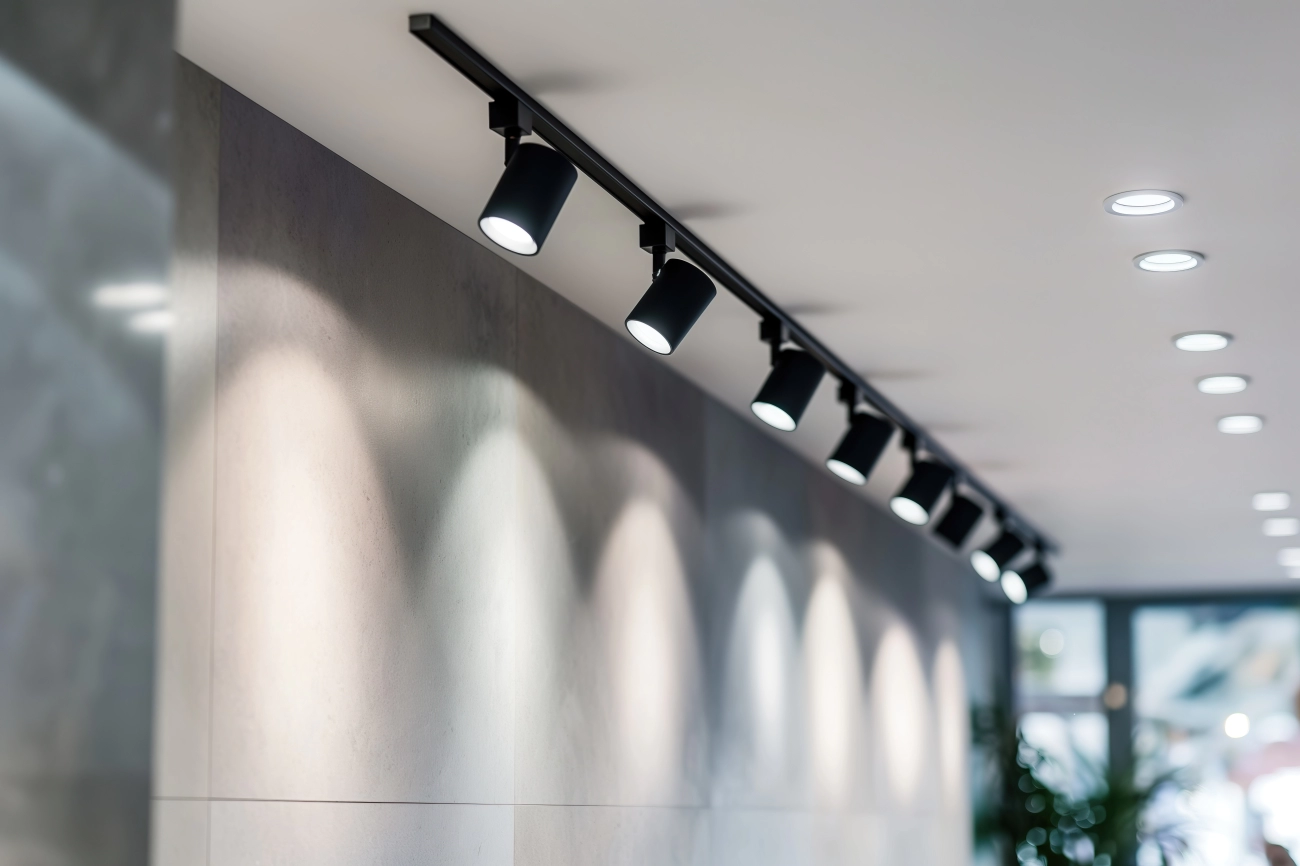
When choosing lighting for your home or workspace in the UK, it’s worth comparing track lighting against other popular lighting types like recessed lighting, pendant lighting, and wall sconces. Each has its strengths and drawbacks, depending on your space, style, and lighting needs.
Track Lighting vs Recessed Lighting
Recessed lighting is sleek and mostly invisible, installed flush into ceilings to provide soft, ambient light. This makes it ideal for a minimalist look and small rooms where you don’t want fixtures drawing attention.
- Track lighting stands out for its flexibility: you can easily adjust and redirect the heads to highlight specific areas like artwork or work surfaces.
- However, track lighting is more visible and can appear bulkier, which may not suit very clean, modern designs.
- Installation is generally simpler with track lighting, especially for DIY, whereas recessed lighting often needs professional fitting and ceiling modifications.
- In terms of lighting coverage, recessed lights often provide more uniform illumination, while track lights excel at focused, directional lighting.
Track Lighting vs Pendant Lighting
Pendant lighting is popular in kitchens and dining areas, hanging from the ceiling to create a decorative focal point while delivering task lighting.
- Track lighting offers more versatility than pendants since heads can be moved and aimed as needed, not fixed in one position.
- Pendants bring in a strong style element, often serving as a statement piece. Track lighting is usually minimalist and less decorative.
- For energy efficiency, track lighting systems compatible with LED bulbs tend to use less power, which fits well with modern UK energy-saving goals.
- However, pendants may be preferred for ambient lighting and creating mood, whereas track lighting suits workspaces and highlighting features.
Track Lighting vs Wall Sconces
Wall sconces provide indirect lighting and add atmosphere, commonly used in hallways and living rooms.
- Track lighting is more functional and adjustable, making it better for task lighting such as reading or kitchen prep.
- Wall sconces often contribute more to decorative and accent lighting, blending into the wall or acting as design elements.
- Track lighting can illuminate larger areas and be scaled up easily, while multiple sconces may be needed for an equivalent effect.
- Sconces have a lower visual impact compared to visible track rails, so if you want a subtle look, wall sconces could be better.
Benefits and Drawbacks in Use Cases
| Lighting Type | Best For | Pros | Cons |
|---|---|---|---|
| Track Lighting | Highlighting, flexible spaces | Adjustable, easy installation, energy efficient with LED | Can look bulky, directional only, needs ceiling or wall mounting |
| Recessed Lighting | Minimalist, even ambient light | Invisible, space-saving, even lighting | Costly installation, less flexible once fitted |
| Pendant Lighting | Focused task lighting, style | Stylish, directs light downward | Fixed position, can be intrusive visually |
| Wall Sconces | Accent lighting, atmosphere | Decorative, subtle | Limited lighting range, less functional |
track lighting’s flexibility and ease of installation make it a strong choice for many UK homes and commercial spaces where adjustable, energy-efficient lighting is needed. However, if you want something more discreet or purely decorative, recessed lights or wall sconces may be better. Pendants work well when you want to combine function with style in focused areas.
Choosing the right lighting depends on your room layout, design preferences, and how you use the space. Often, mixing track lighting with other options like recessed lights or wall lamps gives the best results in tailoring your lighting scheme to suit various needs.
Choosing the Right Track Lighting System for Your Space
Selecting the best track lighting system isn’t just about picking what looks good. It’s about matching the system to your room’s unique needs and style, while keeping practicality and local factors in mind.
Assess Room Size and Purpose
Start with your space. How big is the room, and what will you use it for?
- Larger rooms might need scalable track lighting systems, like H-track or J-track, which allow more fixtures and flexible layouts.
- Smaller kitchens or hallways often do well with compact, low voltage track lighting that doesn’t overwhelm.
- Think about the lighting function—do you need ambient light to brighten the whole room or more focused task lighting for specific areas?
Style Compatibility with Interior Design
Track lighting is part of your room’s look.
- For contemporary spaces, sleek minimalist designs work well and make the lighting feel like a design feature rather than an afterthought.
- In traditional homes, you might choose fixtures with softer finishes or more discreet profiles so they blend better with classic décor.
- Consider if visible tracks and fixtures fit your aesthetic—some prefer the industrial feel, but others want less visible lighting.
Consider Energy Efficient Bulb Options
Energy efficiency is crucial in the UK.
- Choose LED track lighting bulbs as they use less energy, save you money, and last longer—often tens of thousands of hours.
- LED bulbs also come in various colour temperatures, helping you create a warm or bright atmosphere depending on the room’s purpose.
Check Local Availability and After Sales Support
Track lighting works best when you can get quick help if needed.
- Look for a track light supplier in your area who offers easy access to parts and fixtures.
- Good after sales support means you can replace bulbs or components without hassle and get advice if installation issues arise.
- UK suppliers familiar with local building regulations are preferable, especially if professional installation is required.
Balance Budget and Installation Preferences
Budget and installation complexity can make or break your decision.
- Decide if you’re planning a DIY setup or want an electrician to handle it. Some systems are easier to install than others.
- Initial costs include fixtures, tracks, bulbs, and possibly wiring work. However, track lighting tends to be affordable compared to other options like recessed lighting.
- Factor in long-term maintenance and energy savings to get a clear picture of total cost.
Checklist
- Room size and function: Match system scale and type to your space.
- Design style: Choose fixtures that fit your room’s character.
- Energy efficiency: Prioritise LED options.
- Local supplier: Get reliable access to support and parts.
- Budget: Plan for installation ease and long-term savings.
Picking the right track lighting system helps you create the perfect balance of style, function, and value tailored to your home or workspace in the UK.
Tips for Maximising the Efficiency and Appeal of Track Lighting
To get the most out of your track lighting system, it’s important to combine smart use with good maintenance. Here are some practical tips that work well in UK homes and commercial spaces alike.
Use Dimmers and Smart Controls
One of the easiest ways to boost efficiency and mood is to add dimmers or smart lighting controls. These allow you to:
- Adjust brightness based on the time of day or activity
- Save energy by lowering light levels when full illumination isn’t needed
- Create different lighting scenes for dining, working, or relaxing
Smart bulbs or dimmer switches are compatible with most LED track lighting, which further reduces power consumption without sacrificing light quality.
Combine Track Lighting with Other Lighting Types
Relying solely on track lights might leave some areas underlit. To balance this:
- Pair track lighting with ambient lights like ceiling lamps or pendant lights
- Use wall sconces to add warmth and reduce shadows
- Add task lighting where detailed work is done, such as kitchens or offices
A layered lighting approach ensures your space looks well-lit and inviting from all angles.
Strategic Placement for Optimal Illumination
Where you install the track and position the heads makes a big difference. Keep in mind:
- Aim lights at key areas such as artworks, kitchen counters, or shop displays
- Use adjustable heads to direct light exactly where it’s needed, avoiding glare or dark spots
- In smaller rooms, mounting tracks close to the ceiling keeps the space open and bright
Consider measuring your room and lighting focal points before installation to avoid guesswork.
Maintain Your Track Lighting Regularly
To maintain performance and appearance:
- Clean track fixtures and heads regularly to prevent dust build-up that dims light output
- Check connections and bulbs periodically to catch any signs of wear or failure early
- Replace bulbs with recommended LED types for long life and consistent brightness
Routine upkeep keeps your lighting working efficiently and looking fresh without unexpected costs.
By using these tips, you can enjoy the flexibility and modern design that track lighting offers, while making sure it works well for your daily needs and home style here in the UK.
Track Lighting FAQs Energy Efficiency and Installation
Is Track Lighting Energy Efficient
Yes, track lighting is quite energy efficient, especially when paired with LED bulbs. LED track lighting uses significantly less electricity and lasts much longer than traditional bulbs. This makes it a smart choice for UK homes looking to reduce energy bills while maintaining bright, adjustable lighting.
Can Track Lighting Be Installed on Any Ceiling Type
Track lighting is versatile and can be installed on a variety of ceiling types, including plasterboard, concrete, and wooden ceilings. However, the installation might require different mounting hardware or professional assistance depending on the surface. Some older or textured ceilings may need extra preparation, so it’s best to consult your local track light supplier to ensure compatibility.
How Long Do LED Bulbs in Track Lighting Last
LED bulbs used in track lighting typically last between 25,000 to 50,000 hours. That’s several years of regular use, making them more cost-effective over time compared to halogen or incandescent bulbs. Plus, they need less frequent replacement, meaning less hassle with maintenance.
Are Track Lighting Systems Easy to Expand or Modify
One of the main advantages of track lighting is its flexibility. Most systems are designed to be expandable and modifiable. You can add more fixtures, change the number of lights, or reposition heads without major rewiring. However, some track lighting types like H-track or J-track have specific compatible fixtures, so always check with your supplier to avoid picking parts that won’t fit. For larger changes, professional help might be recommended to ensure safe installation.
If you want more personalised advice for your UK home or business, your local track light supplier can guide you on the best system for your needs, ensuring you get both energy efficiency and style from your track lighting.



 English
  French
  Arabic
  German
  Spanish
  Italian
  Portuguese
  Esperanto
  Greek
Greek  Finnish

Leave A Comment