
If you’re curious about how cURL Too many subrequests. can transform the shopping experience and boost your sales, you’re in the right place. Ambient lighting isn’t just about brightening a space—it sets the tone, influences customer mood, and even impacts how long shoppers stay inside your store.
Whether you’re a retail owner, interior designer, or lighting professional, understanding the power of ambient light is essential to creating an inviting and profitable retail environment. In this post, we’ll break down why ambient lighting matters, share expert tips on designing it effectively, and explore how it can elevate your store’s atmosphere and sales performance.
Ready to discover how the right lighting can make all the difference? Let’s get started!
Ambient Lighting in Retail Stores
When it comes to retail lighting design, understanding iluminação ambiente is essential. Ambient lighting, often called general lighting, provides the overall illumination that fills a retail space. It’s the foundation that makes the store inviting and comfortable for customers. Unlike iluminação de tarefas, which highlights specific areas like checkout counters or fitting rooms, or iluminação de destaque that draws attention to featured products or displays, ambient lighting creates a uniform brightness that sets the mood and supports all other lighting layers.
Definition of Ambient Lighting versus Task and Accent Lighting
- Iluminação ambiente offers broad, soft light to illuminate the entire store evenly. This helps customers navigate the space with ease.
- Iluminação de tarefa focuses on areas where detailed work happens, such as cashier stations or product scanning spots.
- Iluminação de destaque is used to spotlight merchandise, promotions, or architectural features, creating visual interest and guiding shoppers’ attention.
Why Ambient Lighting Matters for Store Atmosphere
cURL Too many subrequests.
- cURL Too many subrequests.
- cURL Too many subrequests.
- cURL Too many subrequests.
cURL Too many subrequests.
Common Lighting Technologies for Retail Ambient Lighting
cURL Too many subrequests.
- luminárias LED cURL Too many subrequests.
- cURL Too many subrequests. cURL Too many subrequests.
- cURL Too many subrequests. cURL Too many subrequests.
Utilizando iluminação comercial eficiente em termos energéticos cURL Too many subrequests.
cURL Too many subrequests.
Impact of Ambient Lighting on Retail Store Success
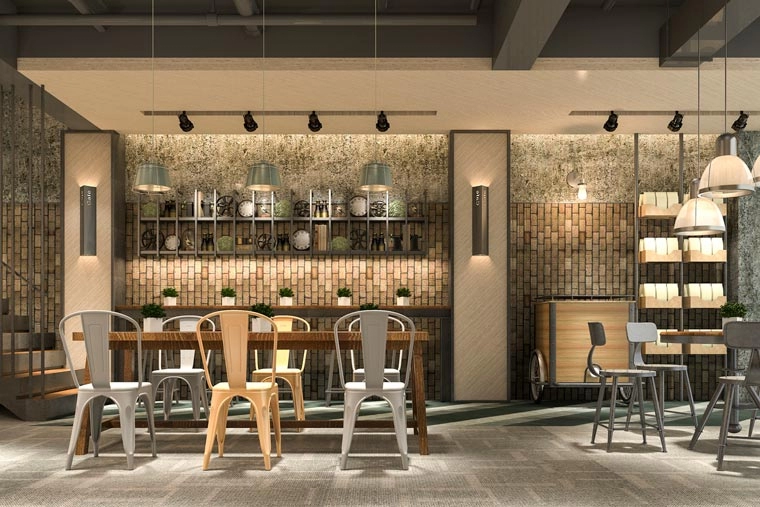
Psychological Effects of Ambient Lighting on Shopper Behaviour and Mood
cURL Too many subrequests. cURL Too many subrequests.cURL Too many subrequests.
cURL Too many subrequests. cURL Too many subrequests. cURL Too many subrequests.
How Ambient Lighting Influences Dwell Time and Purchase Decisions
One of the biggest advantages of effective ambient lighting in retail is its impact on how long customers stay inside the store, known as dwell time. The longer a shopper lingers, the higher the chance of making a purchase. Good ambient lighting supports clear sightlines and highlights product zones, subtly guiding buyers around the space without overwhelming their senses.
Ambient light also reduces eye strain, helping customers better examine products and increasing their confidence in buying. When the overall atmosphere feels positive and comfortable, shoppers are more likely to make impulse purchases and develop loyalty to the store.
Case Studies and Statistics Supporting Ambient Lighting Impact on Sales
Numerous retailers have reported measurable increases in sales after upgrading their ambient lighting:
- A UK high street fashion retailer saw a 15% rise in sales after installing a new warm ambient lighting system that enhanced product colours and store mood.
- Research by the Lighting Research Centre found dwell time increased by up to 40% in stores using layered ambient lighting compared to those with standard fluorescent lighting.
- Grocery stores using crisp, cool ambient lighting observed higher customer satisfaction scores and repeat visits, linked to better product visibility and freshness perception.
These figures highlight the direct link between ambient lighting design and retail success. For local UK stores, investing in ambient lighting isn’t just about aesthetics—it’s a strategic move to boost sales and improve customer experience.
By focusing on the psychological and behavioural impacts of ambient light, retailers can create inviting environments that work for both shoppers and business goals. Effective ambient lighting is a silent sales driver, shaping the shopper’s journey at every step.
Key Principles and Best Practices for Ambient Lighting in Retail Stores
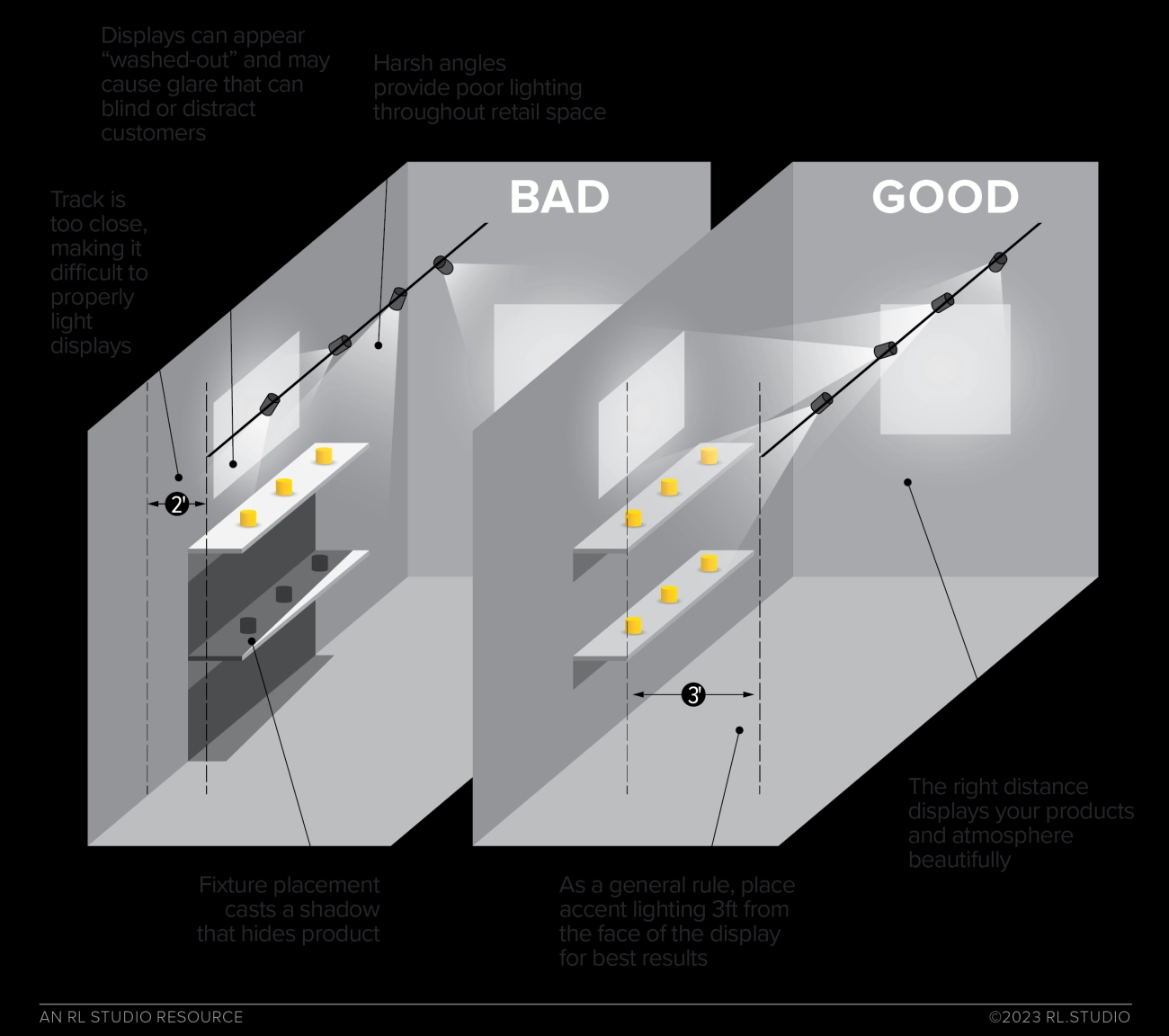
Getting ambient lighting right is crucial for creating the right store atmosphere and driving customer engagement. Here are the essential principles and best practices, focusing on light levels, colour temperature, layering, and energy efficiency.
Optimal Light Levels for Retail Zones
Lighting intensity is measured in lux, and different areas in a retail store need varying levels to work at their best:
- Entrance and storefront: Aim for around 300–500 lux to attract attention without overwhelming visitors.
- Shelving and product displays: Usually around 500–800 lux helps products stand out clearly.
- Fitting rooms: Soft, comfortable lighting at about 200–300 lux creates a welcoming environment without harsh shadows.
Keeping lux levels appropriate helps customers see products naturally and encourages longer browsing.
Colour Temperature and Its Effects on Ambiance
Colour temperature, measured in Kelvin (K), influences how colours appear and affects customer mood:
- Warm light (2700K–3000K): Creates a cosy, intimate atmosphere good for clothing stores or boutiques.
- Neutral white light (3500K–4000K): Works well in grocery stores and general retail for a clear, natural look.
- Cool white light (5000K+): Often used in electronics or hardware stores to highlight details and give a modern feel.
cURL Too many subrequests. cURL Too many subrequests. cURL Too many subrequests.
Uniformity and Layering in Ambient Lighting
cURL Too many subrequests.
- cURL Too many subrequests. com iluminação de tarefas cURL Too many subrequests.
- Adicionar iluminação de destaque cURL Too many subrequests.
- cURL Too many subrequests.
Energy Efficiency and Sustainability in Retail Lighting
cURL Too many subrequests.
- Usar cURL Too many subrequests. cURL Too many subrequests.
- Install cURL Too many subrequests. cURL Too many subrequests.
- cURL Too many subrequests.
cURL Too many subrequests.
cURL Too many subrequests. recursos de design de iluminação para retalho cURL Too many subrequests.
Designing Ambient Lighting for Various Retail Types
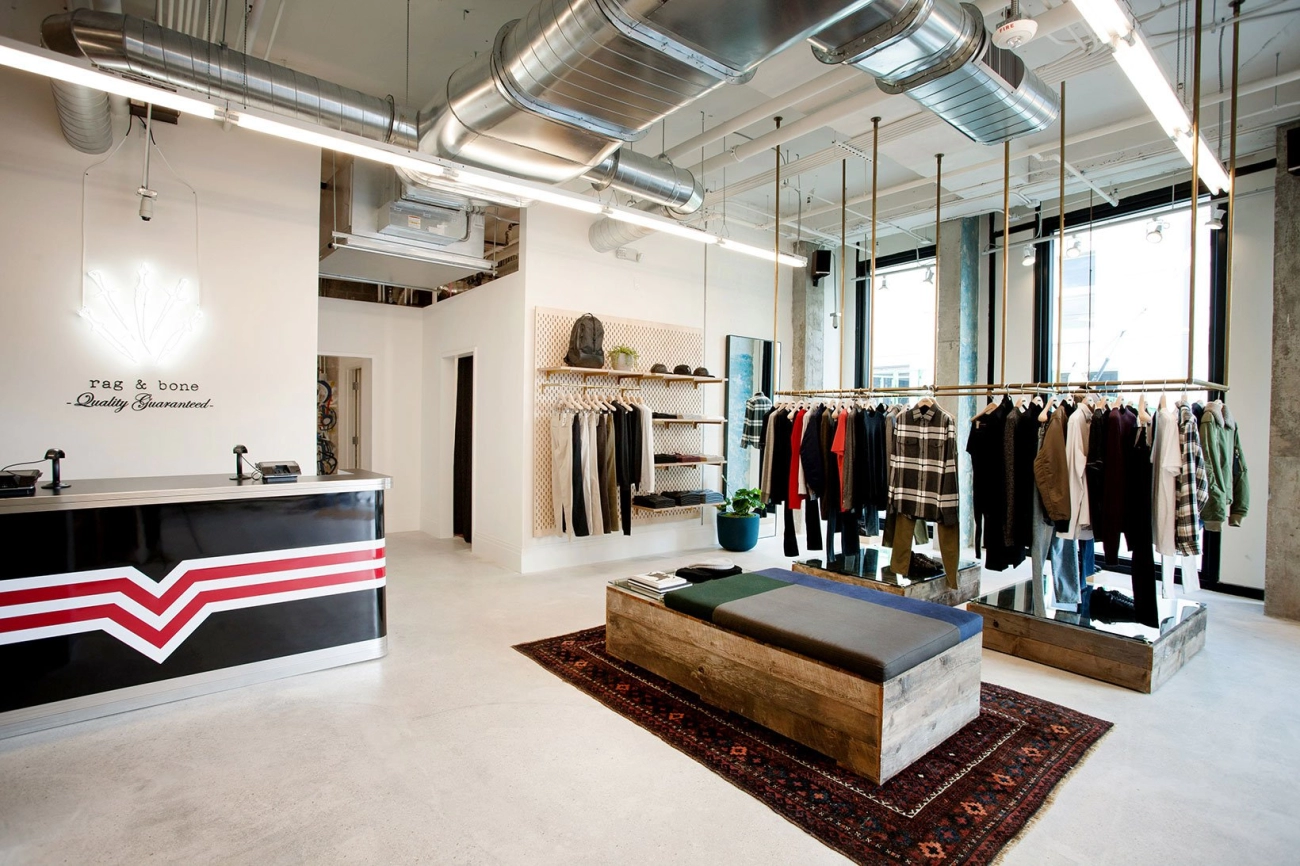
cURL Too many subrequests. iluminação ambiente cURL Too many subrequests.
Ambient Lighting Strategies for Different Retail Stores
-
Clothing Stores
Soft, diffused ambient lighting works best, providing a comfortable and welcoming vibe. Aim for a warm colour temperature (around 3000K) that flatters skin tones and clothing colours. Pay attention to layering ambient lighting with task lights on displays and luzes de destaque highlighting featured outfits.
-
Grocery Stores
Bright, even ambient lighting with neutral white tones (3500K to 4000K) helps customers clearly see fresh produce and packaged goods. Avoid shadows and dark spots, ensuring aisles are well-lit to make shopping easier and quicker.
-
Luxury Boutiques
Ambient lighting here should create a sophisticated, elegant atmosphere. Use warm light temperatures (2700K–3000K) combined with subtle shadows to add depth. Layer with spotlights to highlight premium products, enhancing their appeal without overpowering the setting.
-
Electronics Retailers
A cooler, brighter ambient light (4000K to 5000K) complements the modern, tech-focused feel of these stores. Clean, even lighting helps show product details while avoiding glare on screens and devices.
Seasonal and Promotional Lighting Adjustments
Adapting ambient lighting for seasonal campaigns or promotions can significantly improve customer engagement:
- Dim or warm the lights slightly during winter holidays for a cosy feel.
- Increase brightness and use cooler tones for summer sales or back-to-school periods to energise the shopping environment.
- Use colour-changing ambient lights or themed fixtures during events to attract attention without needing large décor changes.
Integrating Ambient Lighting with Interior Design and Visual Merchandising
Excellent ambient lighting doesn’t stand alone—it should work seamlessly with your store’s design and merchandising strategy:
- Coordinate light colour temperature with wall colours, flooring, and fixtures to create a harmonious atmosphere.
- Position ambient fixtures so they don’t clash with or wash out merchandising displays.
- Use layered lighting—ambient plus task and accent—to draw customers’ eyes naturally to promotional zones and key product areas.
- Consider the flow of the store and how light guides customers through different sections without causing confusion or discomfort.
By carefully tailoring ambient lighting to your specific retail environment and combining it with smart design and merchandising, you create a space that invites customers in and encourages them to stay longer and buy more.
Implementing Ambient Lighting in Retail Stores Tips and Technical Considerations
Quando se trata de cURL Too many subrequests., choosing the right fixtures and controls is crucial for delivering the perfect atmosphere while maintaining flexibility and efficiency. Here’s what you need to keep in mind:
Selecting Fixtures and Controls
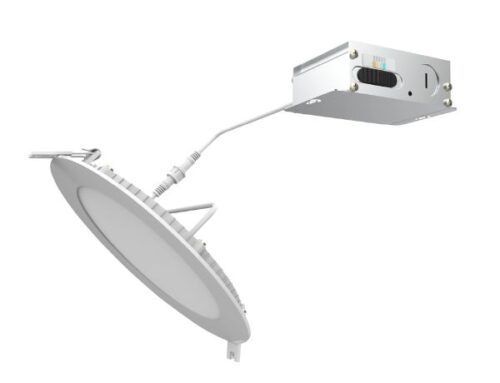
- Fixture type matters: Use fixtures specifically designed for ambient light distribution, such as recessed downlights, ceiling-mounted luminaires, or LED panels. These provide uniform, glare-free illumination essential for a comfortable shopping environment.
- Dimmers and sensors: Installing dimmers allows you to adjust light levels throughout the day or for different promotional events. Occupancy sensors and daylight sensors help reduce energy usage by adapting lighting based on foot traffic and natural light availability.
- Lighting controls systems: Advanced control systems enable centralised management of lighting zones, perfect for adjusting ambient light across various store areas like entrances, aisles, and fitting rooms.
Maintenance and Upgrades
- Consistency is key: Regular maintenance ensures lights maintain their brightness and colour temperature without flicker or uneven wear—essential for sustaining a welcoming store atmosphere.
- Upgrade to LED: If you’re still using traditional bulbs, upgrading to energy-efficient LED fixtures cuts down maintenance needs and adds longevity while improving lighting quality.
- Routine checks: Schedule periodic inspections to replace ageing fixtures or recalibrate sensors to maintain the desired light uniformity and intensity across the store.
Partnering with Retail Lighting Experts
Collaborating with specialised companies like Prillumen Light can provide tailored solutions to meet your store’s unique requirements. They offer:
- cURL Too many subrequests. recursos de design de iluminação para retalho cURL Too many subrequests.
- cURL Too many subrequests.
- cURL Too many subrequests.
cURL Too many subrequests.
cURL Too many subrequests. cURL Too many subrequests. e Guia de compra de fabricantes de iluminação.
In cURL Too many subrequests.
Future Trends in Ambient Lighting in Retail Stores
cURL Too many subrequests. cURL Too many subrequests.cURL Too many subrequests.
Smart Lighting Systems and IoT Integration
cURL Too many subrequests.
- cURL Too many subrequests.
- cURL Too many subrequests.
- cURL Too many subrequests.
- cURL Too many subrequests.
cURL Too many subrequests. cURL Too many subrequests. cURL Too many subrequests.
Human Centric Lighting and Its Impact on Retail Environments
cURL Too many subrequests.
- Brilho
- Temperatura de cor
- Light intensity
cURL Too many subrequests.
- cURL Too many subrequests.
- Warmer tones in the evening foster relaxation and linger time
By prioritising shopper wellbeing alongside product visibility, HCL supports better customer experiences and potentially increases sales.
Emerging Technologies and Materials in Retail Store Lighting
The future of ambient lighting also involves cutting-edge materials and light sources, including:
- Organic LEDs (OLEDs): ultra-thin panels producing soft, even light with minimal heat
- Tunable white LEDs: allow dynamic changes in colour temperature to suit different times and zones
- Advanced reflectors and diffusers: improve light uniformity and reduce glare
- Recyclable and sustainable materials for fixtures, aligning with the UK’s push for energy-efficient retail lighting
Many UK retailers are adopting these innovations to create stylish, eco-friendly lighting solutions that complement store interiors and reduce environmental impact.
In , embracing smart systems, human-centric designs, and new technologies will define successful ambient lighting in retail stores. These trends help retailers in the UK create compelling, efficient store lighting that supports customer satisfaction and business goals.


 Portuguese
  English
  French
  Arabic
  German
  Spanish
  Italian
  Esperanto
  Greek
Greek  Finnish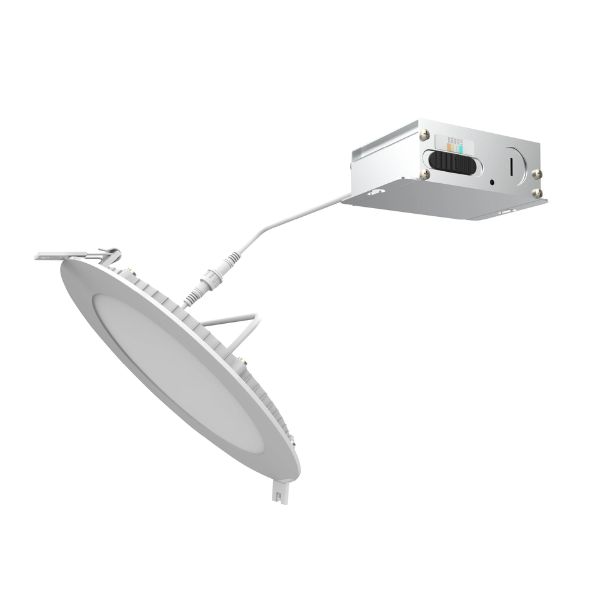

Deixe um comentário