
Looking to boost your poultry farm’s productivity without breaking the bank? Poultry farm lighting isn’t just about keeping the lights on—it’s a game-changer that influences everything from egg production to bird welfare. Whether you’re facing short winter days or battling high energy costs, mastering the right lighting strategy can transform your operation. In this Complete Guide to Poultry Farm Lighting, you’ll discover how science-backed techniques and smart LED solutions can optimize growth, reduce stress, and maximize your farm’s bottom line. Ready to shine a light on the secrets behind healthier, more productive flocks? Let’s dive in!
The Science Behind Poultry Lighting
Understanding the science behind poultry lighting is essential for maximizing flock health and production. Proper lighting directly influences poultry photoperiod management, hormone regulation, behavior, and overall performance. Let’s break down the key aspects.
Photoperiod Basics and Hormone Regulation
Poultry are highly sensitive to light duration, known as the cURL Too many subrequests.. Light exposure controls the release of hormones such as melatonin e gonadotropin-releasing hormone (GnRH), which regulate growth, reproduction, and laying cycles.
- Short days (less light) trigger resting and molting phases.
- Longer daylight hours stimulate egg production and mating behavior.
- Consistent lighting schedules help maintain stable hormone patterns.
Managing photoperiods carefully is crucial, especially when transitioning between production stages or seasons.
Light Intensity Needs for Different Poultry Stages
Each stage of a chicken’s life requires different light intensities:
| Poultry Stage | Recommended Light Intensity (Lux) | Scopo |
|---|---|---|
| Brooding | 30 to 50 lux | Encourage activity, warmth |
| Growing and Rearing | 10 to 20 lux | Promote growth and feeding |
| Laying | cURL Too many subrequests. | Stimulate egg production |
| Breeding | cURL Too many subrequests. | Support mating without stress |
Overly bright environments can stress birds
Essential Components of an Effective Poultry Lighting System
Creating the right lighting system for your poultry farm is a key step toward improving bird health, behavior, and production. Getting the details right—from light sources to layout—makes a big difference. Here’s what you need to know.
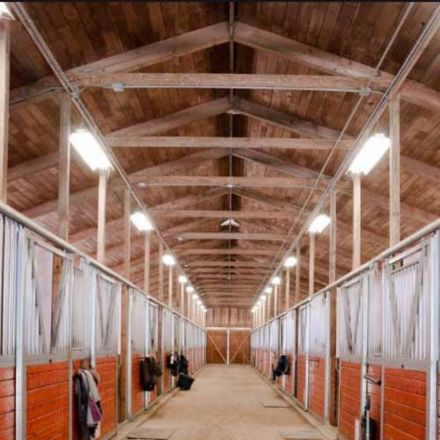
Light Source Options and Their Pros and Cons
cURL Too many subrequests.
- Lampadine a incandescenza
- Pro: cURL Too many subrequests.
- Contro: cURL Too many subrequests.
- Fluorescent Lights
- Pro: cURL Too many subrequests.
- Contro: cURL Too many subrequests.
- cURL Too many subrequests.
- Pro: cURL Too many subrequests.
- Contro: cURL Too many subrequests.
cURL Too many subrequests.
cURL Too many subrequests.
cURL Too many subrequests.
- cURL Too many subrequests. cURL Too many subrequests. cURL Too many subrequests.
cURL Too many subrequests.
cURL Too many subrequests. cURL Too many subrequests. cURL Too many subrequests.
cURL Too many subrequests.
cURL Too many subrequests. cURL Too many subrequests.—around 20 lux—to encourage feeding and movement. Light duration should start long, about 16 to 18 hours per day, simulating daylight to reduce stress and support early development. Use warm white or slightly red-tinged lighting to calm the birds while encouraging activity. Avoid abrupt changes to prevent disturbing fragile chicks.
Growing and Rearing Light Schedules and Color Shifts
As birds move into growing and rearing, reduce light intensity gradually to 10-15 lux. The photoperiod can be slightly shortened to stabilize behavior while promoting growth. Introducing a shift in light color from warmer tones to cooler white light helps maintain alertness and feeding habits. This phase benefits from stable, uniform lighting to minimize aggressive behavior and support healthy skeletal development.
Laying and Production Stage Light Timing and Spectrum
For layers, light management is key to egg production. Increasing daily light to 14-16 hours stimulates reproductive hormones. Use red or orange spectrum lighting, which has been shown to improve laying rates and reduce bird stress. Careful timing with morning ramp-up and evening
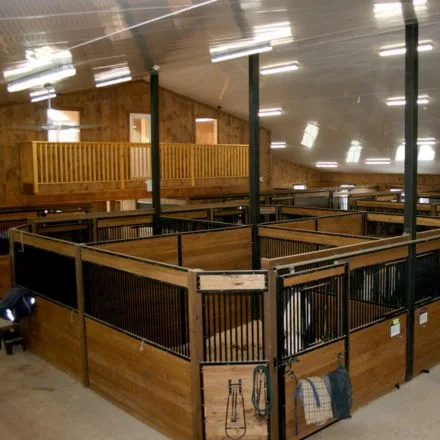
Design and Installation Best Practices for Poultry Barn Lighting
Proper lighting design and installation are crucial for optimal poultry health, productivity, and energy efficiency. Here’s what you need to know to set up a lighting system that fits your barn size, environment, and flock needs.
Assessing Barn Size and Environmental Factors
- Measure your barn dimensions carefully. The length, width, and height will dictate the type and number of fixtures required.
- Considera natural light sources like windows or skylights. Manage these with shading or blackout curtains to maintain control over the photoperiod.
- Account for ventilation, dust levels, and humidity since these impact both installment durability and light fixture choice.
- Keep in mind local climate variations in the US; lighting systems need to perform consistently from cold northern barns to warmer southern setups.
Maintaining Light Uniformity and Cleaning Schedules
- To avoid over-lit and dark spots, space fixtures evenly following manufacturer guidelines—typical spacing is 8-12 feet apart depending on fixture strength.
- Use reflectors and diffusers to spread light evenly.
- Pulizia regolare cURL Too many subrequests.
- cURL Too many subrequests.
cURL Too many subrequests.
- cURL Too many subrequests. cURL Too many subrequests.
cURL Too many subrequests.
cURL Too many subrequests. cURL Too many subrequests. cURL Too many subrequests.
cURL Too many subrequests.
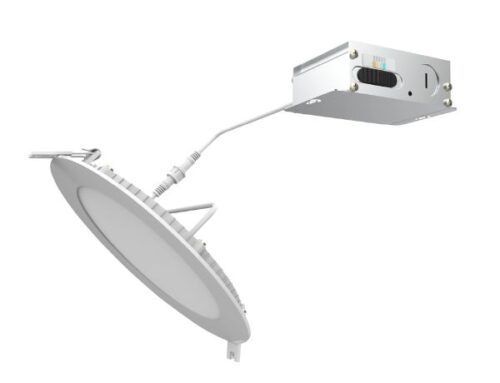
cURL Too many subrequests.cURL Too many subrequests. up to 75% less energycURL Too many subrequests.
- Durata più lunga cURL Too many subrequests.
- Alta efficienza energetica cURL Too many subrequests.
- cURL Too many subrequests.
cURL Too many subrequests.
cURL Too many subrequests. sistemi di illuminazione intelligente cURL Too many subrequests.
- cURL Too many subrequests. light intensity and duration for ideal photoperiod management.
- Automation mimics natural daylight patterns to improve bird welfare and productivity.
- Remote control and monitoring help farmers track and tweak lighting settings from anywhere.
Sustainability Benefits of Modern Poultry Lighting
Modern lighting doesn’t just save you money—it also supports sustainable farming practices. Using energy-efficient farm lighting lowers your carbon footprint and reduces waste
Troubleshooting Common Poultry Lighting Problems and Maintenance Tips
Keeping your poultry farm lighting running smoothly is crucial for maintaining flock health and productivity. Let’s go over how to spot common problems, routine maintenance you should follow, emergency solutions, and some helpful FAQs.
Detecting Dim or Uneven Light Issues
Dim or uneven lighting can stress your birds, affecting behavior and production. Here’s what to watch for:
- Uneven light distribution: Check for dark spots or areas that get less light, which can cause flock crowding or uneven growth.
- Dim lights: Over time, bulbs lose brightness. If you notice reduced illumination, it’s time to inspect and possibly replace your light sources.
- Incorrect fixture placement: Fixtures placed too high, too low, or too far apart can cause inconsistent light intensity.
Suggerimento: Use a simple light meter or smartphone app to measure light intensity regularly. Maintain recommended levels based on flock stage (e.g., brooding vs. laying).
Routine Poultry Lighting Maintenance Schedule
Consistent maintenance boosts lighting system reliability and energy efficiency:
- Clean fixtures monthly to remove dust and droppings that reduce light output.
- Inspect wiring and plugs quarterly for wear or damage.
- Replace bulbs before end of lifespan, especially for LED systems that dim slowly.
- Check automation controls seasonally to ensure timers and dimmers
Measuring ROI and Benefits of Poultry Farm Lighting Upgrades
Upgrading your poultry lighting system isn’t just about better light—it’s about real, measurable business benefits. When considering lighting improvements, especially switching to energy-efficient options like LEDs, it’s important to track key performance markers that matter most on your farm.
Key Metrics to Track for Poultry Lighting ROI
- Feed Conversion Ratio (FCR): Good lighting supports better feed intake and digestion. Farms report improved FCR values with optimized lighting, meaning birds grow more efficiently and you spend less on feed.
- Egg Production and QualitycURL Too many subrequests. cURL Too many subrequests.cURL Too many subrequests.
- cURL Too many subrequests.cURL Too many subrequests.
cURL Too many subrequests.
cURL Too many subrequests. cURL Too many subrequests. rispetto alle lampadine tradizionali.
- cURL Too many subrequests.
- cURL Too many subrequests.
- Fattore





 Italian
  English
  French
  Arabic
  German
  Spanish
  Portuguese
  Esperanto
  Greek
Greek  Finnish

Lascia un Commento