
Why Pig House Lighting Is a Profit Lever: Flicker, 300 Lux Systems & Energy Savings
Lighting in pig houses is far more than just illumination—it’s a critical profit lever. Understanding and optimising swine barn LED lights, flicker-free technology, and proper lux levels directly influences pig welfare, productivity, and farm costs.
Flicker-Free Lighting: Protecting Pig Welfare and Growth
Flicker is a silent performance killer. Traditional fixtures often flicker at rates invisible to the human eye but which stress pigs. This stress can reduce feed intake, disturb rest cycles, and hamper growth. Using flicker-free swine fixtures ensures a calm and stable environment that supports better health and weight gain.
- Flicker causes unnecessary agitation in pigs.
- Flicker-free LEDs improve behaviour and productivity.
- Reduced stress leads to fewer health issues and stabilised growth rates.
Why 300 Lux Matters: The Sweet Spot for Productivity
For pig houses, about 300 lux of consistent, uniform light is the practical benchmark. Here’s why hitting this target is vital:
- Optimal visibility for pigs and workers improves safety and care.
- 300 lux aligns with pig vision needs, supporting natural behaviour and feeding.
- Overlit barns waste energy; underlit barns jeopardise welfare and output.
Balancing lux levels creates an environment where pigs are alert but not overstimulated, maximising daily gain while reducing stress-induced delays in growth.
Electricity Savings Through Smart Lighting Systems
Electricity is a significant operational cost on pig farms. Modern energy-efficient hog barn LEDs cut energy use dramatically compared to older lighting systems.
- LEDs use up to 70% less electricity than traditional lighting.
- Dimming capabilities, like dim-to-red pig lighting, allow for customised light cycles that save power during low-activity periods.
- cURL Too many subrequests.
cURL Too many subrequests.
Σε: cURL Too many subrequests.
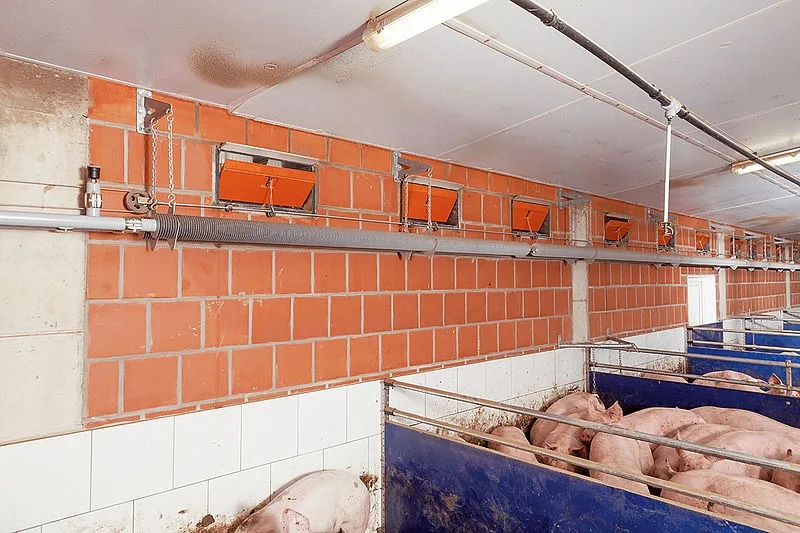
Pig Vision 101: Finding the Blue-Green Sweet Spot for Pig House Lighting
cURL Too many subrequests. cURL Too many subrequests.cURL Too many subrequests. cURL Too many subrequests.cURL Too many subrequests. cURL Too many subrequests. cURL Too many subrequests.
Why Blue-Green Light Matters in Pig Houses
cURL Too many subrequests. cURL Too many subrequests.cURL Too many subrequests.
- cURL Too many subrequests.cURL Too many subrequests.
- cURL Too many subrequests.cURL Too many subrequests.
- cURL Too many subrequests.cURL Too many subrequests.
Avoiding Overexposure and Harsh Light
Too much bright white or harsh yellow light can agitate pigs or disrupt their sleep. Instead of pushing lux levels indiscriminately:
- Στόχος είναι balanced blue-green light at moderate intensities (around 150-300 lux depending on stage).
- Χρησιμοποιήστε dim-to-red lighting at night or during resting periods to prevent disturbance and mimic natural darkness.
Benefits of Optimised Light Spectra
- Better feed intake and daily gains as calm pigs eat more steadily.
- Improved reproductive performance in breeding and farrowing houses.
- Reduced injury rates through less aggressive behaviour.
By honing lighting design around the pig’s natural vision and behavioural cues, producers can deliver a more comfortable, energy-efficient environment that supports health and productivity.
For more on durable and flicker-free fixtures designed with pig vision in mind, consider our prillumen light fixture selector to choose optimal solutions tailored for swine barns.
Κύριο συμπέρασμα: Focus on blue-green spectrum lighting, moderate lux levels, and dim-to-red options to create calm and efficient pig house lighting setups.
Introduction-by-Zone Lux & Photoperiod Cheat Sheet for Pig House Lighting
Lighting plays a key role in supporting pig health and productivity at every growth stage. Different zones of the pig house require tailored lux levels και photoperiods to boost welfare and performance. Here’s a straightforward guide to help you get the light right throughout your farm.
Boar Housing: Calm and Controlled Lighting
- Lux level: 100–150 lux
- Photoperiod: 12–14 hours of light, balanced with darker rest periods
- Boars do best with moderate illumination to stay calm and maintain good breeding behaviours. Bright, flicker-free swine barn LED lights reduce stress without overstimulation.
Gestation Units: Gentle & Consistent Light
- Lux level: 100 lux
- Photoperiod: 12–14 hours daily
- Consistency here matters. Stable lighting schedules encourage normal activity and feed intake. Avoid sharp brightness changes to keep sows comfortable during pregnancy.
Farrowing House Illumination: Focused and Soft
- Lux level: 150–200 lux
- Photoperiod: 12–14 hours with dim-to-red options at night
- Bright enough for sow monitoring, but also with dim-to-red pig lighting to calm piglets during night hours. Red spectrum light supports maternal behaviour and piglet rest without causing disturbances.
Nursery Lighting: Growth and Adjustment
- Lux level: 150–250 lux
- Photoperiod: 14–16 hours
- Nursery pigs need more light to encourage feeding and activity as they grow. Use flicker-free swine fixtures with a blue-green spectrum mix, boosting piglet welfare and reducing stress.
Finishing Stages: High Intensity & Longer Days
- Lux level: 250–300 lux
- Photoperiod: 16 hours or more
- Pigs at finishing benefit from brighter, longer light phases to support daily gain and overall health. This also helps in reducing aggressive behaviours. Energy-efficient, waterproof hog barn LEDs cURL Too many subrequests.
Κύριο συμπέρασμα:
cURL Too many subrequests. cURL Too many subrequests. cURL Too many subrequests. cURL Too many subrequests. cURL Too many subrequests.
prillumen Light Fixture Selector: Ammonia-Proof, Dim-to-Red, Energy-Saving Solutions
cURL Too many subrequests. cURL Too many subrequests. cURL Too many subrequests.
Ammonia-Proof for Longevity
cURL Too many subrequests. cURL Too many subrequests.cURL Too many subrequests.
Benefits of Dim-to-Red Lighting
cURL Too many subrequests. cURL Too many subrequests. cURL Too many subrequests.
- cURL Too many subrequests.
- cURL Too many subrequests.
- cURL Too many subrequests.
Energy Efficiency Saves Money
cURL Too many subrequests. highly energy-efficientcURL Too many subrequests.
- Flicker-free technology reduces pig stress and avoids eye strain
- Smart controls enable dimming during off-peak hours
- Long lifespan LED chips mean fewer replacements and less waste
Why prillumen Fits UK Pig Farms
- Built tough for ammonia-heavy environments
- Supports pig health with dim-to-red lighting options
- Cuts energy bills with smart, efficient LEDs
- Easy to integrate into existing barns with various mounting options
Choosing prillumen fixtures means investing in quality, pig welfare, and savings all at once — a solid decision for any UK pig farm looking to upgrade barn lighting.
LED 7-Step Retrofit Pig Roadmap: Easy Guide for Upgrading Your Pig House Lighting
Upgrading your pig house lighting to energy-efficient cURL Too many subrequests. doesn’t have to be overwhelming. Follow this 7-step retrofit roadmap to improve pig welfare and performance while saving on electricity bills.
1. Assess Existing Vision and Lux Levels
Before making any changes, map your current lighting conditions. Check lux levels in key zones—gestation, farrowing, nursery, finishing—to ensure you understand where lighting falls short. Use a simple lux meter to get precise readings. This helps avoid under- or over-lighting areas.
2. Inspect and Upgrade Wiring Safely
Make sure the existing electrical wiring can support LED fixtures. LEDs draw less power but require compatible wiring and controls. cURL Too many subrequests. to check for faults and update wiring if needed, ensuring compliance with UK electrical standards.
3. Choose Flicker-Free, Ammonia-Resistant LEDs
Να επιλέξετε flicker-free LED lights designed specifically for swine barns. These reduce stress in pigs and improve behaviour. Plus, pick fixtures that are IP65+ waterproof and ammonia-proof to withstand the harsh barn conditions common across UK farms.
4. Test Red Light Perception on Pigs
Pigs respond better to the blue-green light spectrum, but red light helps during farrowing or low-light periods. Test dim-to-red options in small sections first to observe behavioural changes without disrupting the whole herd.
5. Apply for Energy Rebates and Grants
Many UK regions offer rebates or grants for upgrading to energy-efficient LED systems. Investigate schemes like the Energy Technology List or local agricultural grants. This can significantly reduce upfront costs.
6. Install Lighting Controls and Monitoring Systems
Χρησιμοποιήστε timers, dimmers, and smart controls to optimise photoperiod lengths and lux intensity based on pig growth stages. Employ monitoring systems to track energy use and lighting performance in real time, helping you fine-tune settings for maximum benefit.
7. Evaluate and Adjust After Installation
After installation, review pig behaviour, health, and growth rates. Check if lighting levels meet recommended standards (around cURL Too many subrequests. in active zones). Adjust settings and maintenance schedules as needed to maintain a flicker-free, calm environment.
A well-planned LED retrofit in your pig house improves welfare, boosts growth, and slashes energy bills. Map your current setup, upgrade wiring, choose the right LED fixtures, test red light options, seize rebates, install smart controls, and continuously monitor for best results. This pragmatic roadmap ensures your pig farm lighting meets the unique UK conditions and regulatory standards.
Compliance and Lighting Regulations for Pig House Lighting
Όταν πρόκειται για pig house lighting, συνάντηση compliance standards is non-negotiable—not just for legal reasons but to ensure animal welfare and farm efficiency. UK pig farmers benefit from understanding how lighting regulations across the EU, USA, and Canada shape best practices and dispel common myths around swine barn illumination.
EU Lighting Standards for Pig Houses
Το cURL Too many subrequests. cURL Too many subrequests. cURL Too many subrequests.cURL Too many subrequests.
- cURL Too many subrequests. cURL Too many subrequests. 100 lux cURL Too many subrequests.
- cURL Too many subrequests. cURL Too many subrequests.
- Ενεργειακή Απόδοση: cURL Too many subrequests. ενεργειακά αποδοτικός φωτισμός LED cURL Too many subrequests.
cURL Too many subrequests. cURL Too many subrequests. cURL Too many subrequests.
USA and Canada: Standards and Practices
cURL Too many subrequests. cURL Too many subrequests. cURL Too many subrequests.
- cURL Too many subrequests. cURL Too many subrequests.
- Spectral Recommendations: Use of the blue-green spectrum is encouraged for calmness and productivity, with red light reserved for farrowing or night periods.
- Electrical Safety & Energy Ratings: Both countries require swine barn LEDs to meet specific energy efficiency and safety standards—important when retrofitting older UK facilities.
Common Myths About Pig House Lighting Compliance
- Myth 1: “Any light above 50 lux is fine.” – False. Proper intensity and photoperiod are essential. Too low or too high can harm pig performance.
- Myth 2: “Red light is harmful at all times.” – Not true. When used correctly, dim-to-red lighting benefits farrowing sows and night viewing without disturbing pigs.
- Myth 3: “Natural light eliminates need for LEDs.” – Natural light varies and can cause flicker and shadows. Combining with flicker-free swine fixtures provides stable lighting and energy savings.
What This Means for UK Pig Farms
For farmers in the UK, investing in compliant, energy-efficient hog barn LEDs is also a smart business move:
- Meets welfare legislation and reduces risk of penalties.
- Improves pig health, supporting better daily gain and lower stress.
- Saves electricity costs with modern ammonia-proof, flicker-free fixtures.
- Aligns with sustainable farming initiatives as LEDs consume less power and last longer.
Taking advantage of UK-based suppliers with expertise in pig house lighting, such as Prillumen, ensures products meet these regulations and come with reliable guarantees. For example, their 1500 LED Batten Lighting is designed with farm conditions in mind.
Σε: Know your local and international lighting standards, avoid outdated myths, and select fixtures that guarantee compliance, welfare, and energy efficiency. This approach maximises both animal health and farm profits.
ROI Calculator and Real Farm Wins: Measuring Pig House Lighting Benefits
Όταν αναβαθμίζετε σε energy-efficient hog barn LEDs or switching to a dim-to-red pig lighting system, understanding your return on investment is key. Our cURL Too many subrequests. takes the guesswork out of the equation by offering an easy, interactive way to estimate savings based on your current electricity costs, barn size, and lighting setup.
How the ROI Calculator Works
- Input your barn details: number of lights, running hours, and current wattage
- Compare LED upgrades: see differences in energy use and costs
- Estimate payback time: how long until your lighting investment saves money
- Factor in rebates: account for UK energy rebates and grants that reduce upfront costs
Using this tool helps you plan smarter and choose lighting suited to your pig house’s unique needs.
Real Farm Wins: Proven Lighting Success Stories
Our case studies from UK farms show real-world savings and productivity gains cURL Too many subrequests.
- cURL Too many subrequests. cURL Too many subrequests.
- Βελτιωμένη cURL Too many subrequests. cURL Too many subrequests.
- cURL Too many subrequests.
- cURL Too many subrequests. cURL Too many subrequests.
Why These Wins Matter
cURL Too many subrequests. cURL Too many subrequests. cURL Too many subrequests.
cURL Too many subrequests. cURL Too many subrequests. cURL Too many subrequests.
cURL Too many subrequests.
Key Lighting Parameters for Optimal Pig Performance
cURL Too many subrequests. cURL Too many subrequests. cURL Too many subrequests.
Daily Gain & Lighting
cURL Too many subrequests. lux levels cURL Too many subrequests.
- cURL Too many subrequests. in nursery and finishing stages promotes feeding and movement.
- Flicker-free swine barn LEDs help reduce stress, supporting consistent growth.
Photoperiod Length
Το photoperiod—how long pigs are exposed to light daily—affects hormone cycles, behaviour, and reproductive performance.
- A typical 16 hours of light / 8 hours of dark cycle encourages better feed intake and weight gain.
- Longer light periods aren’t always better—too much light can increase stress.
- Farrowing houses benefit from adjusted shorter light phases to keep sows calm.
Intensity & Spectrum
Light intensity matters but must be matched to the pig’s needs:
| Pig House Area | Recommended Lux Level | Lighting Notes |
|---|---|---|
| Boar housing | 100 – 200 lux | Lower intensity; calming blue-green light aids calmness |
| Gestation | 100 – 200 lux | Even, flicker-free light for steady behaviour |
| Farrowing | 50 – 100 lux | Dim-to-red lighting reduces piglet stress at night |
| Nursery / Weaning | 200 – 300 lux | Encourages feeding and movement |
| Finishing barns | cURL Too many subrequests. | Higher intensity boosts growth rate |
Γιατί Είναι Σημαντικό
- Consistent lux levels avoid stress from sudden light changes.
- cURL Too many subrequests. spectral peaks in blue-green wavelengths keeps pigs relaxed, improving welfare.
- Dimming or red-light options during rest phases reduce disturbances and improve sleep.
Table: Key Lighting Parameters
| cURL Too many subrequests. | Target Range | Effect |
|---|---|---|
| cURL Too many subrequests. | 50 – 300 lux (by zone) | Supports activity, feeding, calmness |
| Photoperiod Length | 12 – 16 hours light/day | Balances growth and rest |
| cURL Too many subrequests. | Blue-green (450-550nm) + dim red | Controls behaviour and stress |
cURL Too many subrequests. cURL Too many subrequests.cURL Too many subrequests.
FAQs on Pig House Lighting: Natural & LED Mix, Red Light Safety, Warranty Matters
Όταν πρόκειται για pig house lightingcURL Too many subrequests.
cURL Too many subrequests.
cURL Too many subrequests.
cURL Too many subrequests. cURL Too many subrequests. cURL Too many subrequests. photoperiods.
- cURL Too many subrequests.
- cURL Too many subrequests.
- cURL Too many subrequests.
cURL Too many subrequests.
cURL Too many subrequests.
cURL Too many subrequests. dim-to-red pig lightingcURL Too many subrequests.
- cURL Too many subrequests.
- cURL Too many subrequests.
- cURL Too many subrequests.
cURL Too many subrequests. χωρίς τρεμόπαιγμα cURL Too many subrequests.
cURL Too many subrequests.
cURL Too many subrequests.
cURL Too many subrequests.
- Επιλέξτε cURL Too many subrequests. designed specifically for swine environments.
- Confirm the warranty covers these factors—typically 3 to 5 years for commercial pig farm LEDs.
- Keep proof of purchase and installation details to support any future claims.
Warranty support often goes hand-in-hand with buying from reputable suppliers specialising in livestock lighting, such as those referenced in The Ultimate Guide to Livestock Lighting.
Σε:
- Mixing natural and LED light is practical with smart controls.
- Red light supports welfare when installed properly.
- Warranties vary, so prioritise robust, barn-proof fixture specs.
Effective pig house lighting improves welfare, productivity, and farm energy costs — so addressing these FAQs ensures you get the most from your system.
cURL Too many subrequests.
Lighting needs vary a lot across different pig house zones. To boost pig performance and welfare, it’s crucial to tailor lux levels, photoperiods, and light colours to each stage — from breeding to finishing.
cURL Too many subrequests.
In breeding areas, calm and stable lighting helps reduce stress and improve mating success. Keep light intensity moderate, around 150–200 lux, avoiding harsh flicker. Use soft white or dim-to-red lighting to support the natural circadian rhythm of sows and boars. Longer photoperiods (12–16 hours) encourage stable reproductive cycles without overstimulation.
- Χρησιμοποιήστε flicker-free LED swine barn lights to ensure comfort.
- Dim lights during rest periods to encourage calmness.
- Avoid sudden brightness changes to reduce stress.
cURL Too many subrequests.
During farrowing, sows need a more controlled light environment. Lower lux levels, about 100–150 lux, with a warm spectrum (yellow to red) help create a relaxing environment promoting better maternal behaviour and piglet safety.
- cURL Too many subrequests. dim-to-red pig lighting to reduce piglet crushing risks and maintain sow calmness.
- Maintain a steady photoperiod of 12 hours, mimicking natural day length.
- Combine artificial lighting with natural light where possible, but avoid glare.
cURL Too many subrequests.
Piglets are sensitive to light after birth. Nursery lighting should focus on comfort and growth stimulation, with higher lux levels (200–300 lux) in feeding and activity zones.
- Χρησιμοποιήστε blue-green spectrum lights to encourage calmness and support eye development.
- Gradually increase lighting during the day to promote feeding activity.
- Keep darkness periods adequate (8–12 hours) for rest.
cURL Too many subrequests.
Lighting in finishing barns aims to maximise cURL Too many subrequests.cURL Too many subrequests. 250–300 lux cURL Too many subrequests.
- cURL Too many subrequests. cURL Too many subrequests. cURL Too many subrequests.
- cURL Too many subrequests. cURL Too many subrequests. cURL Too many subrequests.
- Χρησιμοποιήστε energy-efficient hog barn LEDs cURL Too many subrequests.
cURL Too many subrequests.
cURL Too many subrequests.
- cURL Too many subrequests. 150–200 lux.
- cURL Too many subrequests. cURL Too many subrequests. cURL Too many subrequests.
- cURL Too many subrequests. cURL Too many subrequests. cURL Too many subrequests.
cURL Too many subrequests.
cURL Too many subrequests. cURL Too many subrequests. that match your facility’s environmental challenges like ammonia and moisture for lasting performance.
cURL Too many subrequests.
Selecting the best lighting for your pig house is key to boosting welfare, productivity, and energy savings. τεχνολογία LED has become the top choice across the UK pig farming sector, thanks to its efficiency, durability, and flexibility.
cURL Too many subrequests.
- Ενεργειακή Αποδοτικότητα: LEDs use significantly less power than traditional bulbs, cutting electricity costs without sacrificing brightness.
- Μεγάλη Διάρκεια Ζωής: These lights last years longer, reducing maintenance and replacement expenses.
- Flicker-Free Operation: Quality swine barn LED lights avoid flicker, which is critical to minimise stress and support healthy behaviour in pigs.
- Ammonia and Waterproof Designs: Pig barns are tough environments. Always choose fixtures that resist humidity, ammonia gas, and dust to ensure longevity.
cURL Too many subrequests.
Understanding light spectra is vital. Research shows:
- Blue-Green Spectrum (around 480-550 nm) enhances calmness and wellbeing in pigs.
- Dim-to-Red Lighting encourages restful periods, particularly useful during farrowing or nighttime.
- Adjustable LEDs with spectrum tuning allow you to create tailored photoperiods for each pig house zone — from gestation pens to finishing barns.
cURL Too many subrequests.
When shopping for pig house lighting, focus on:
- Lux Levels and Uniformity: Target around 300 lux for active areas; ensure even distribution to prevent dark spots.
- Dimmable Controls: Ability to adjust intensity helps mimic natural cycles and reduce stress.
- Durability Standards: IP65 or higher water and dust resistance is vital.
- Energy-Efficient Drivers: Look for flicker-free, low-EMI power supplies.
- Εύκολη Ενσωμάτωση: Compatibility with existing wiring, controls, and energy management systems.
- Εγγύηση και Υποστήριξη: A robust warranty and good supplier support protect your investment.
cURL Too many subrequests.
| Χαρακτηριστικό | Γιατί Είναι Σημαντικό | Aim For |
|---|---|---|
| Ενεργειακή Αποδοτικότητα | Cuts electricity bills | ≥ 100 lumens per watt |
| Flicker-Free Operation | Reduces pig stress | Verified <5% flicker rate |
| Spectral Tuning | Supports pig health and growth | Blue-green + dim-to-red modes |
| Waterproof & Ammonia-Proof | Withstands barn conditions | cURL Too many subrequests. |
| Dimming Capability | Controls pig behaviour | Smooth dim-to-red control |
| Μεγάλη Διάρκεια Ζωής | Low maintenance and replacement cost | >50,000 hours operational |
| Εγγύηση | Ensures reliability and service | cURL Too many subrequests. |
By choosing cURL Too many subrequests.cURL Too many subrequests.
cURL Too many subrequests.
cURL Too many subrequests. cURL Too many subrequests. cURL Too many subrequests.
Layout and Lux Measurement
- cURL Too many subrequests.cURL Too many subrequests.
- Χρησιμοποιήστε ένα cURL Too many subrequests. cURL Too many subrequests.
- Position lights to cURL Too many subrequests.cURL Too many subrequests.
Controls and Photoperiod Management
- cURL Too many subrequests. cURL Too many subrequests. cURL Too many subrequests.
- Χρησιμοποιήστε cURL Too many subrequests. cURL Too many subrequests.
- Σκεφτείτε cURL Too many subrequests. cURL Too many subrequests.
Wiring and Safety
- Χρησιμοποιήστε cURL Too many subrequests.. Waterproof barn lights and corrosion-resistant fittings safeguard your installation from pig house conditions.
- Follow local electrical codes and best practices for livestock buildings to ensure safety and compliance. Proper earthing and circuit protection are a must.
- Keep cables tidy and out of pig-reach to avoid damage or hazards during cleaning and pig activity.
Συμβουλές Συντήρησης
- cURL Too many subrequests. easy-access features for quick cleaning and bulb replacement.
- Schedule routine inspections to check for dust, moisture ingress, or flickering, which can affect light quality and pig comfort.
- Maintain a clean environment around the fixtures to prolong life and reduce energy consumption.
By combining carefully planned layout, robust controls, and proper wiring with regular maintenance, your pig house lighting system will deliver steady performance and support your farm’s productivity goals.
For more on energy-saving benefits and lighting controls, check out this LED Batten Lighting Buyer’s Guide.
Benefits of Pig House Lighting Backed by Research
Productivity Gains with Optimised Lighting
cURL Too many subrequests. pig house lighting is more than just illumination—it directly influences pig growth and farm output. Studies consistently show that properly designed lighting systems, especially swine barn LED lights with the right lux levels, can improve daily weight gain by up to 10%. Optimised lighting stimulates better feeding behaviour and reduces stress, which means healthier, faster-growing pigs across all stages, from nursery to finishing.
Welfare Improvements Through Light Management
Lighting tailored for pigs—like dim-to-red systems and full-spectrum LEDs—helps create a calm, natural environment. Research highlights:
- Reduced aggression and stress in boar and sow housing
- Better rest periods thanks to controlled photoperiods
- Enhanced sow comfort during farrowing with softer, flicker-free lighting
These factors contribute to improved animal welfare, which aligns with UK farming standards and customer expectations.
Significant Energy Savings on Farms
cURL Too many subrequests. hog barn LEDs reduces electricity bills without compromising light quality. Case studies in the UK reveal:
| Τύπος φωτισμού | Energy Consumption Reduction | Typical Payback Period |
|---|---|---|
| Traditional bulbs | Βάση | Μη Διαθέσιμο |
| Fluorescent tubes | 25-40% savings | 2-3 years |
| LED swine barn lights | 50-70% savings | 1-2 years |
Farmers benefit from lower running costs alongside improved pig performance, making LEDs a smart investment.
Real UK Farm Examples
- A Midlands pig farm reported a 12% increase in daily gain after upgrading to flicker-free LEDs with blue-green spectrum tuning.
- A Scottish producer cut energy bills by 60% and noticed calmer pigs with dim-to-red lighting in farrowing houses.
- Multiple UK farms confirmed improved sow reproductive performance through precise photoperiod control.
Why Lighting Matters
| Οφέλος | Λεπτομέρειες | UK Relevance |
|---|---|---|
| Productivity | Up to 10% growth improvement | Faster turnover, better profits |
| Welfare | cURL Too many subrequests. | cURL Too many subrequests. |
| Εξοικονόμηση Ενέργειας | cURL Too many subrequests. | cURL Too many subrequests. |
| cURL Too many subrequests. | cURL Too many subrequests. | cURL Too many subrequests. |
cURL Too many subrequests. pig house lighting cURL Too many subrequests.
Compliance, Sustainability, and Future Trends in Pig House Lighting
Όταν πρόκειται για pig house lightingcURL Too many subrequests.
Meeting Lighting Regulations in the UK and Beyond
Συμμόρφωση με lighting regulations cURL Too many subrequests.
- cURL Too many subrequests. cURL Too many subrequests.
- cURL Too many subrequests. cURL Too many subrequests. cURL Too many subrequests.
- Χρήση flicker-free swine fixtures cURL Too many subrequests.
cURL Too many subrequests.
Embracing Eco-Friendly LED Solutions
cURL Too many subrequests. energy-efficient hog barn LEDs ticks both boxes:
- LEDs consume less electricity than traditional bulbs, leading to sizeable electricity savings on your pig farm.
- Many modern fixtures offer dim-to-red pig lighting, which enhances pig welfare by mimicking natural light cycles, while still reducing energy use during low-activity periods.
- Durable, waterproof barn lights with long service life reduce replacement costs and waste.
Choosing LED solutions with a focus on green spectrum pig growth not only boosts productivity but also aligns your farm with the UK’s carbon reduction targets.
The Future: Smart IoT and Spectrum Tuning
The future of pig house lighting is smart and precise. IoT-enabled lighting systems allow farmers to:
- Monitor real-time light levels across different barns and zones.
- cURL Too many subrequests. spectral outputs instantly to match pigs’ behavioural needs and health — for instance, increasing blue-green light to promote calmness.
- Control lighting remotely, optimising photoperiods and lux without manual adjustments, improving efficiency.
These smart systems provide data-driven insights, helping you fine-tune lighting to support best practices for pig welfare and energy use.
Why Compliance and Sustainability Matter
- Follow UK and EU lighting regulations to ensure pig health, safety, and farm credibility.
- cURL Too many subrequests. eco-friendly LED swine barn lights to reduce energy use and carbon footprint.
- Explore emerging smart IoT lighting solutions for more precise, efficient pig house illumination.
- Stay ahead by adopting innovative spectrum tuning, supporting animal welfare and boosting production.
By embracing compliance and sustainability, UK pig farmers not only protect their animals and workers but also future-proof their operations in a rapidly evolving agricultural landscape.


 Greek
Greek  English
  French
  Arabic
  German
  Spanish
  Italian
  Portuguese
  Esperanto
  Finnish

Αφήστε ένα Σχόλιο