
When you walk into a Zara store, you instantly feel it — the crisp, modern elegance that pulls you deeper into the space. That isn’t just good interior design. It’s the result of carefully crafted retail interiors lighting design that makes clothes look more vibrant, textures more inviting, and the shopping experience more immersive.
In the world of fashion retail, lighting isn’t decoration — it’s strategy. Zara uses precision LED lighting, smart layering, and color tuning to guide your eyes, set the mood, and subtly influence buying decisions.
In this post, I’m breaking down exactly how Zara’s lighting design works, why it’s so effective, and how you can apply these same principles to create a store that looks stunning and sells more.
The Role of Lighting in Zara Retail Interiors Lighting Design
When you walk into a Zara store, you immediately feel a distinct energy — clean, modern, and inviting. While the clothes and layout play a big role, lighting design is one of the most powerful elements shaping that experience. In fashion retail, especially in trend-driven brands like Zara, lighting does more than just make spaces bright; it sets the tone, communicates brand identity, and influences how shoppers interact with products.
How Lighting Shapes Zara’s Brand Image and Atmosphere
Zara’s stores around the world carry a signature aesthetic — minimal yet high-impact. The lighting strategy is carefully curated to align with the brand’s position as accessible luxury. Here’s how it works:
- Clean, bright illumination creates an upscale feel while making the store’s interiors feel open and inviting.
- Balanced, neutral tones in lighting reinforce Zara’s modern, minimalistic brand identity.
- By combining uniform ambient lighting with accent lighting on collections, Zara makes sure shoppers’ attention is guided naturally without feeling overwhelmed.
This approach ensures every Zara store, whether in New York or Los Angeles, delivers the same consistent and premium experience.
Lighting Design, Product Visibility, and Customer Engagement
In fashion retail, visibility is everything. Zara’s lighting isn’t just about ambiance — it’s about presenting apparel in the best possible light and ensuring textures, colors, and details pop.
- Directional spotlights highlight key fashion pieces, drawing customers toward seasonal trends and new releases.
- Even illumination across the store minimizes distracting shadows, ensuring garments look true to color — a must for customer confidence.
- By using strategic contrast between lit and dimmer zones, Zara subtly controls traffic flow, encouraging customers to explore featured areas.
The result is a shopping environment where lighting isn’t just background detail — it’s a silent salesperson, influencing where you look, how you feel, and what you buy.
Key Lighting Design Principles in Zara Stores
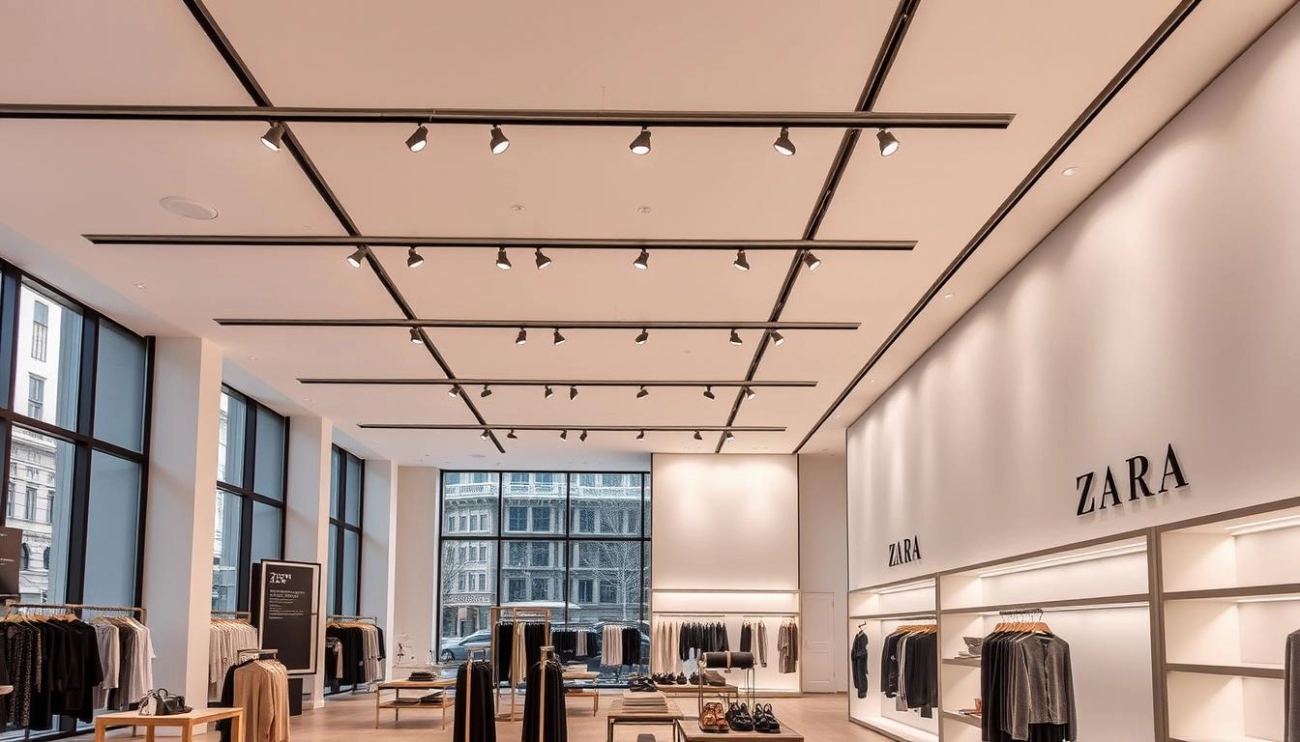
When it comes to Zara retail interiors lighting design, there’s a clear strategy behind every bulb and fixture. The lighting isn’t just about making the space bright — it’s about creating an environment that feels consistent with the brand while helping customers see products at their best.
Natural and Artificial Lighting Balance
Zara stores often blend daylight with artificial lighting to make the interiors feel fresh and natural. Large windows, skylights, or glass storefronts bring in daylight to keep the atmosphere warm and inviting, while controlled artificial lighting ensures the space still looks consistent throughout the day and night. For U.S. stores in malls without much natural light, this balance is recreated using LED systems that mimic daylight.
Layered Lighting Approach
Zara uses a layered lighting strategy to shape the shopping experience:
- Ambient lighting: Sets the base illumination so the whole store feels bright and open.
- Accent lighting: Directs shoppers’ attention to featured products, mannequin displays, or new arrivals.
- Task lighting: Enhances fitting rooms and cash wrap areas so customers can see colors and details clearly.
This layering makes navigation intuitive and keeps certain displays standing out from a distance.
Color Temperature for Apparel Presentation
In fashion retail, color accuracy is non‑negotiable. Zara’s lighting typically leans on a neutral to warm-white color temperature (around 3000K–4000K) to ensure clothes look natural and flattering. This helps shoppers judge fabrics, textures, and colors without distortion. Under the right tone of light, whites stay crisp, blacks look rich, and colors appear true — which is critical for both in-store satisfaction and lowering returns.
By combining balanced natural and artificial light, a layered lighting structure, and precisely tuned color temperatures, Zara’s stores maintain a clean, sharp, and product-focused environment that encourages customers to explore and buy.
Innovative Lighting Technologies in Zara Stores
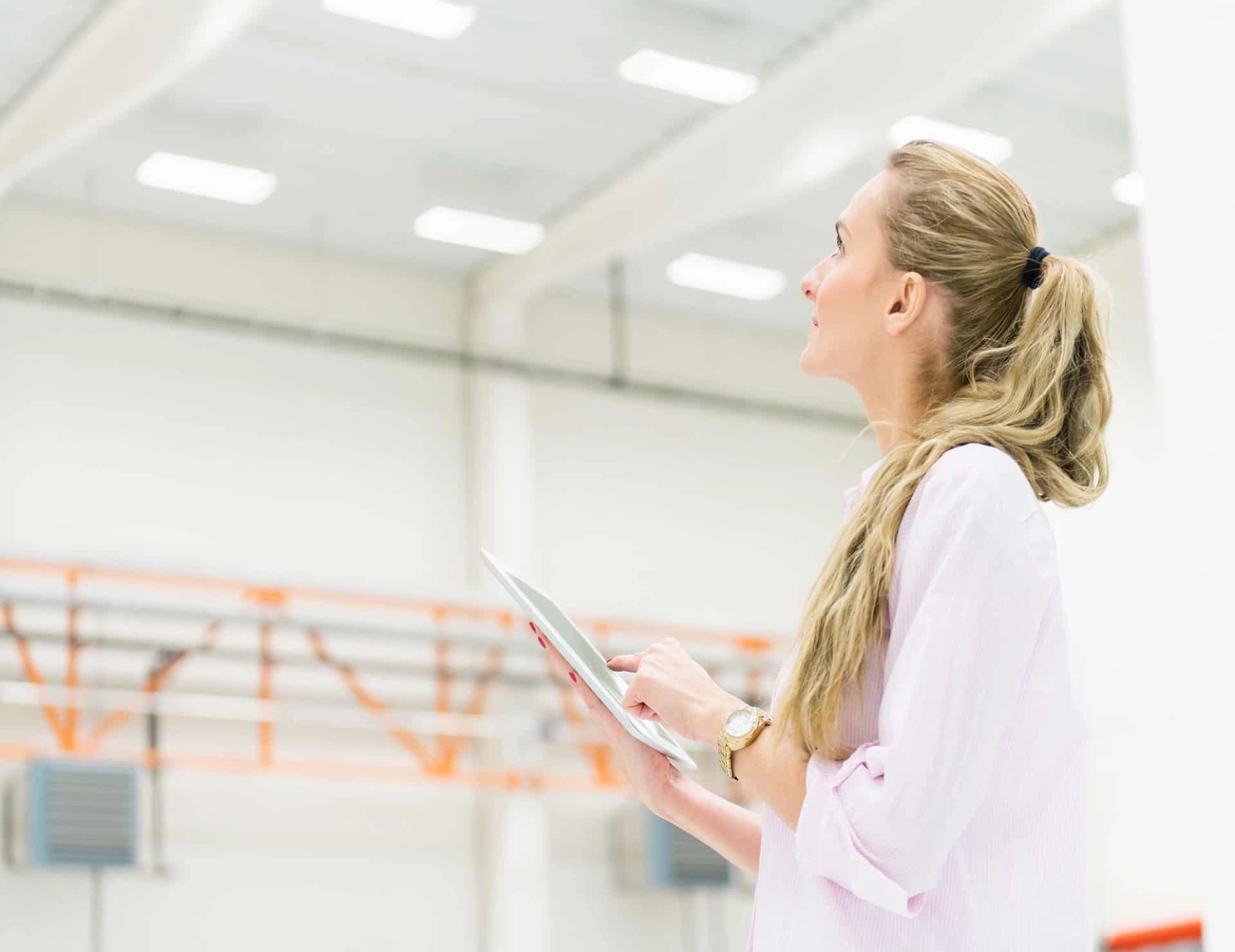
Zara has turned retail lighting into a high-impact tool, using innovative technologies to boost both store atmosphere and operational efficiency. Their approach blends design and tech to keep customers engaged while keeping energy costs low.
LED Lighting Solutions and Energy Efficiency
Zara has moved away from older light sources and embraced modern LED lighting for its energy efficiency, longevity, and precision. LEDs allow them to:
- Use less power while delivering brighter, more consistent light.
- Reduce maintenance downtime with longer lifespans.
- Cut HVAC loads because LEDs produce less heat than traditional lighting.
Using LED track lights and spotlights aimed at apparel racks ensures true-to-color presentation, making fabrics appear as they would in natural daylight. For retailers in the U.S., this is key—not just for energy savings, but also for meeting sustainability goals and lowering operational costs.
(If you’re looking for similar energy-efficient options for your store, check out our guide to retail display lighting).
Smart Lighting Controls and Customization
Zara integrates smart lighting systems to adjust intensity, color, and focus throughout the day. These systems can:
- Create different moods for morning, afternoon, and evening foot traffic.
- Shift lighting schemes for seasonal collections or special events.
- Automatically dim in low-traffic zones to save energy.
With centralized control, store managers can fine-tune every section’s lighting from one interface—keeping the look consistent and on-brand in every location.
Dynamic Lighting for Immersive Shopping Experiences
Dynamic lighting adds an extra layer of customer engagement. Zara uses it to subtly guide customers through the store, highlight new arrivals, and draw attention to promotional areas. Techniques include:
- Color temperature shifts to make materials and tones stand out.
- Accent light movement to direct the eye toward featured products.
- Light contrast strategies to separate premium items from everyday selections.
This is not just decorative—dynamic lighting helps control the flow of foot traffic, slowing shoppers where Zara wants them to browse and encouraging smooth transitions between zones.
By combining LED precision, smart controls, and dynamic accents, Zara turns its lighting into a silent but powerful sales assistant—something any retailer can learn from. For brands looking to replicate this approach, solutions like store display lighting can be tailored to fit both small boutiques and large-format fashion spaces.
Impact of Zara Retail Interiors Lighting Design on Shopper Behavior and Store Performance
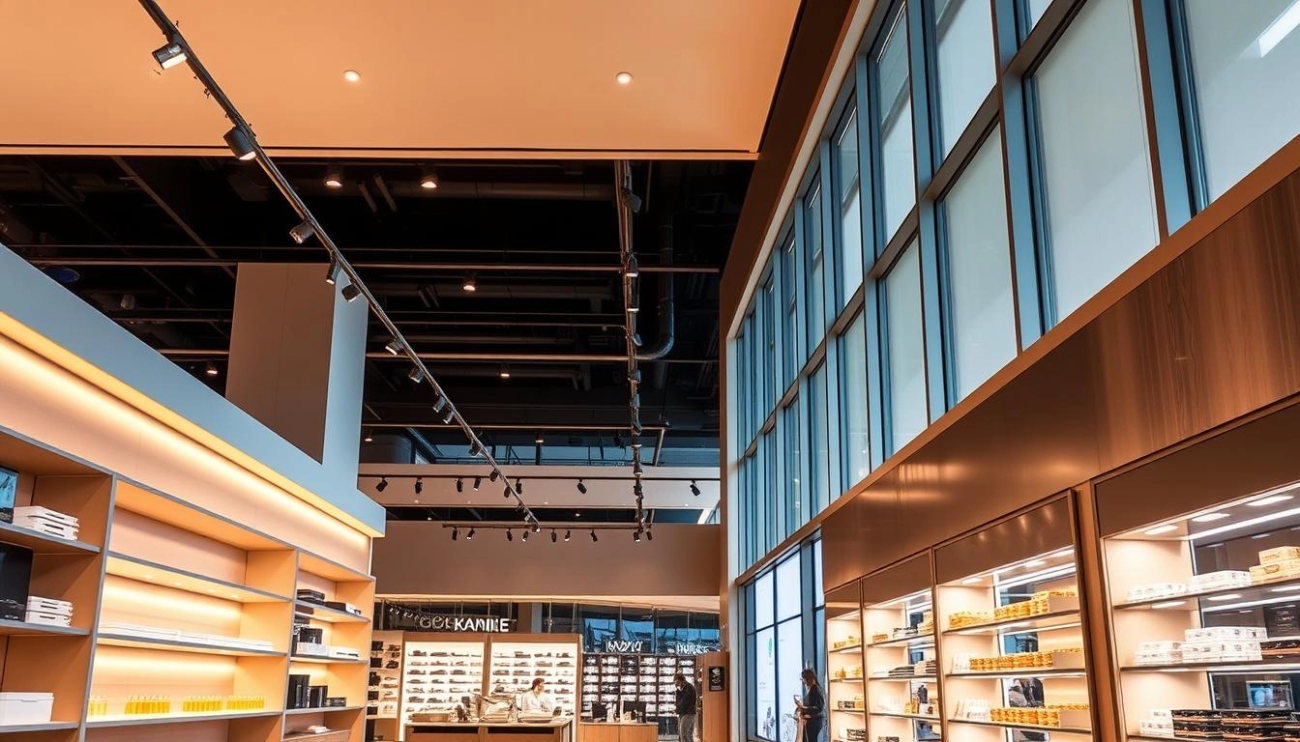
Psychological effects of lighting on shoppers
Zara puts a lot of thought into how store lighting affects mood, perception, and buying decisions. Well-planned lighting can make shoppers feel at ease, keep them browsing longer, and draw their attention to key pieces.
- Bright, even lighting makes the space feel open and approachable.
- Warm color temperatures give a welcoming, premium vibe while also making fabrics look richer.
- Spotlighting creates a sense of importance around featured products, triggering curiosity and interest.
By tuning light intensity and color, Zara creates an environment that feels both comfortable and inspiring — the kind of setting where customers want to explore and try on clothes.
How lighting directs flow and product focus
Lighting isn’t just for visibility — it also guides movement through the store. Zara uses light to subtly point the way, ensuring shoppers naturally pass through high-impact displays and high-margin areas.
Tactics they use:
- Directional lighting over “power walls” and new arrivals to pull customers deeper into the space.
- Brighter zones at the back to encourage movement through the store.
- Accent lighting on feature racks, mannequin setups, or window-facing displays to grab attention from a distance.
- Lower lighting in secondary areas to let focal points stand out without distraction.
The result is a visual map that gently steers customers to where Zara wants them most — toward new collections, seasonal launches, and premium pieces. This approach boosts dwell time, engagement, and sales conversion rates without customers feeling “pushed.”
In short, Zara’s retail lighting design isn’t just for looks — it’s a deliberate tool that blends psychology, merchandising, and brand identity to drive store performance.
Challenges and Solutions in Retail Lighting Design for Fashion Stores
Managing Reflections, Glare, and Shadows in Large Retail Spaces
In fashion retail, lighting quality directly impacts product appeal. One of the toughest challenges is controlling reflections, glare, and shadows — especially in stores with polished floors, glass displays, or glossy fixtures. Poor glare control can make fitting rooms uncomfortable and distort color perception, while unwanted shadows can make garments look less appealing.
Solutions that work well in fashion retail:
- Anti-glare fixtures: Use recessed or shielded LED lights to minimize direct glare on customers and merchandise.
- Matte display materials: Reduce reflective surfaces near lighting focal points to keep visuals clean.
- Angle adjustments: Position track lights or accent lighting to highlight textures without casting deep shadows.
- Layered lighting strategy: Combine ambient, accent, and task lighting to balance brightness and avoid flat or overly harsh light.
For large-format stores, linear architectural lighting is effective in evenly distributing light across aisles and display walls. This approach helps prevent uneven shadowing that can occur with spotlights alone. Learn more about linear lighting styles here.
Maintaining Consistency Across Multiple Locations
For brands like Zara with hundreds of locations, consistent lighting design is key to keeping the brand experience uniform. Inconsistency in brightness, color temperature, or fixture placement can break the store’s visual identity and affect how products appear from one location to another.
Best practices for consistent retail lighting:
- Standardized lighting packages: Develop a lighting specification guide detailing approved fixture types, lumen output, and color temperature (often 3000K–3500K for fashion stores).
- Centralized procurement: Source from the same lighting manufacturer or supplier for all stores to ensure matching quality.
- Smart control systems: Use programmable smart lighting to easily replicate lighting scenes across multiple locations.
- Regular audits: Schedule seasonal inspections to measure light quality and replace any non-compliant fixtures.
Many retailers now turn to modular lighting systems for flexibility and quick replacement across stores. This allows them to adapt to seasonal displays without losing brand consistency. You can explore how modular systems benefit retail environments here: Benefits of modular lighting.
Takeaways for Retailers Applying Zaras Lighting Strategies to Your Store
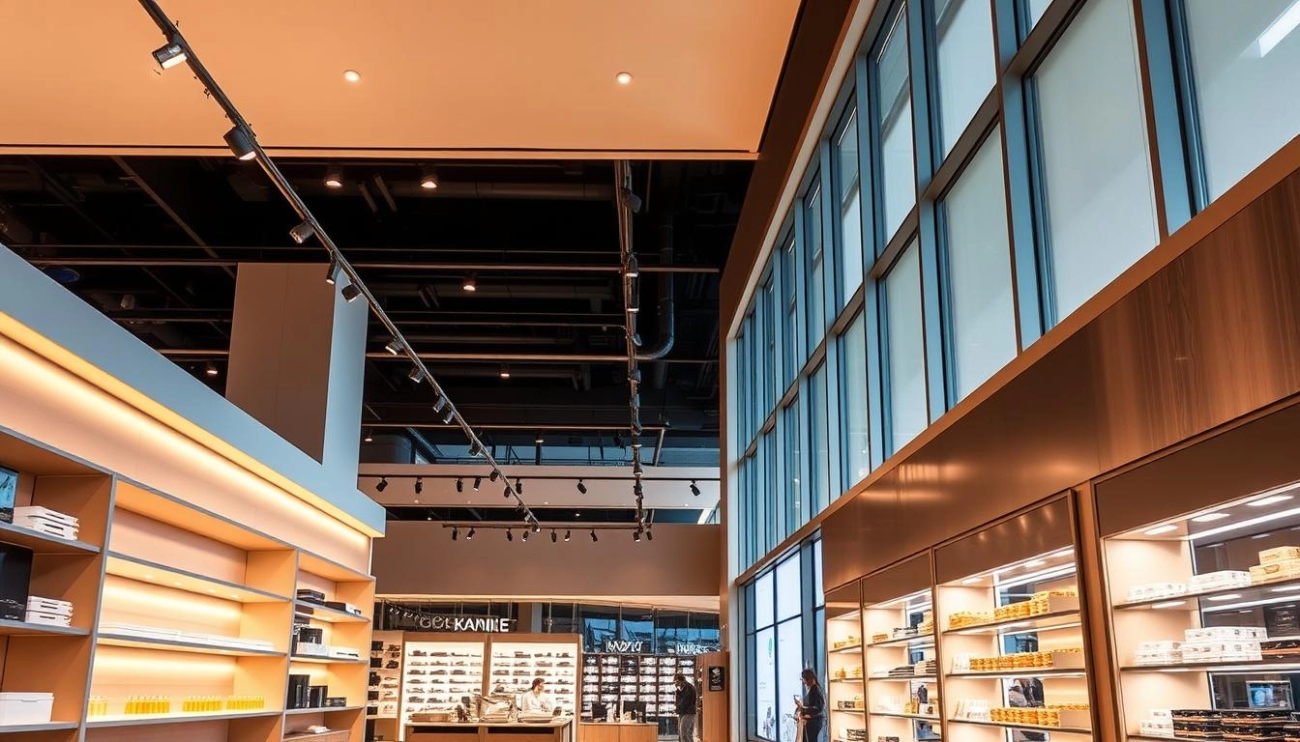
If you look closely at Zara’s retail interiors lighting design, you’ll notice it’s intentional from the moment you step in. They’re not just lighting products—they’re creating a clear, stylish brand atmosphere that helps shoppers connect with their clothing. For U.S. fashion retailers looking to bring that same impact, here are some proven ways to adapt their approach.
Practical Tips from Zara’s Lighting Best Practices
1. Balance natural and artificial light
- Let in as much daylight as your floor plan allows, then use warm, energy-efficient LEDs to keep the look consistent all day.
- Avoid harsh contrasts between natural and artificial lighting—it can distort how customers see colors.
2. Use a layered lighting approach
- Ambient lighting: Evenly lights the store so it feels bright and open.
- Accent lighting: Highlights new arrivals, mannequins, and featured displays.
- Task lighting: Adds function in fitting rooms, checkout counters, and workstations.
3. Get color temperature right
- A neutral white range (around 3500K–4000K) works well in apparel stores—it keeps colors true without a yellow or blue tint.
- Use slightly warmer tones in fitting rooms for a flattering mirror experience.
4. Guide shoppers with lighting
- Draw attention to high-margin or seasonal products by spotlighting them.
- Create illuminated pathways that naturally guide foot traffic deeper into the store.
5. Keep lighting consistent across multiple locations
- Standardize fixtures and settings to maintain a recognizable brand feel in every store.
- Use tunable LEDs or dimmers for seasonal and promotional flexibility.
How Prillumen Light Can Help with Retail Lighting Design
At Prillumen Light, we design custom fashion retail lighting solutions that align with your branding and buying experience goals. Whether you’re a single boutique or a multi-location fashion chain, we focus on:
- Tailored fixture selection for apparel display clarity and visual merchandising impact.
- LED and smart lighting systems for energy efficiency and dynamic control.
- Custom layouts based on store size, ceiling height, and local market preferences.
- Consistent lighting deployment for smooth brand identity across all stores.
From concept planning to installation, we bring the same precision you see in Zara’s visual experience—just adapted to your store’s personality and U.S. retail needs.
Case Study Prillumen Light Concept Inspired by Zara Retail Interiors Lighting Design
Project Overview
We recently worked on a concept lighting design that takes cues from Zara’s retail interiors lighting design approach—clean, modern, and product-focused. The goal was to create a space that feels fresh, bright, and organized, while making merchandise the hero of the store. This project was tailored for an upscale fashion retailer in the U.S., but the inspiration came straight from Zara’s blend of minimalism and strategic lighting layers.
Design Choices
To capture the same visual impact that Zara achieves, we focused on three main elements:
- Balanced Light Layers: Using a mix of ambient, accent, and task lighting to control the mood, visibility, and spotlighting of key items.
- Neutral Color Temperature: Opted for 3500K LEDs—warm enough to make apparel look inviting but cool enough to keep whites crisp and true.
- Directional Beam Angles: Adjustable track heads aimed at high-margin product displays and new collections, just like in visual merchandising lighting at Zara.
Technologies Used
We leaned on modern retail lighting technologies to match both the look and performance:
- LED Track Lighting: For precise control and consistent color rendering (perfect for apparel textures).
- Smart Dimming Controls: Adjust lighting scenes for store hours, from bright and energizing during the day to softer and warmer in the evening.
- Energy-Efficient Fixtures: Aligning with eco-conscious retail trends, fixtures were ENERGY STAR® rated to minimize running costs.
- Glare-Control Lenses: Avoiding harsh reflections on glossy surfaces and mirrors, common in fashion retail environments.
Visual Layout Strategy
The space was divided into product zones—each with its own lighting mood. For example:
| Zone | Lighting Technique Used | Purpose |
|---|---|---|
| Entry Zone | High-output ambient + wall washers | Draw people in and set brand tone |
| Feature Displays | Narrow beam accent lights | Highlight seasonal focus items |
| Fitting Rooms | Diffused, flattering task lighting | Enhance customer comfort |
| Cash Wrap | Focused spot lighting + warm halo effect | Encourage final purchase moments |
This zone-by-zone approach mirrors Zara’s retail lighting strategy—guiding shopper flow and creating natural pauses to explore products.




 English
  French
  Arabic
  German
  Spanish
  Italian
  Portuguese
  Esperanto
  Greek
Greek  Finnish


Leave A Comment