
Looking to boost your poultry farm’s productivity without breaking the bank? Poultry farm lighting isn’t just about keeping the lights on—it’s a game-changer that influences everything from egg production to bird welfare. Whether you’re facing short winter days or battling high energy costs, mastering the right lighting strategy can transform your operation. In this cURL Too many subrequests., you’ll discover how science-backed techniques and smart LED solutions can optimize growth, reduce stress, and maximize your farm’s bottom line. Ready to shine a light on the secrets behind healthier, more productive flocks? Let’s dive in!
The Science Behind Poultry Lighting
Understanding the science behind poultry lighting is essential for maximizing flock health and production. Proper lighting directly influences poultry photoperiod management, hormone regulation, behavior, and overall performance. Let’s break down the key aspects.
Photoperiod Basics and Hormone Regulation
Poultry are highly sensitive to light duration, known as the photoperiod. Light exposure controls the release of hormones such as melatonin e gonadotropin-releasing hormone (GnRH), which regulate growth, reproduction, and laying cycles.
- Short days (less light) trigger resting and molting phases.
- Longer daylight hours cURL Too many subrequests.
- cURL Too many subrequests.
cURL Too many subrequests.
Light Intensity Needs for Different Poultry Stages
cURL Too many subrequests.
| cURL Too many subrequests. | cURL Too many subrequests. | Propósito |
|---|---|---|
| cURL Too many subrequests. | cURL Too many subrequests. | cURL Too many subrequests. |
| cURL Too many subrequests. | cURL Too many subrequests. | cURL Too many subrequests. |
| cURL Too many subrequests. | cURL Too many subrequests. | cURL Too many subrequests. |
| cURL Too many subrequests. | cURL Too many subrequests. | cURL Too many subrequests. |
cURL Too many subrequests. can stress birds
Essential Components of an Effective Poultry Lighting System
Creating the right lighting system for your poultry farm is a key step toward improving bird health, behavior, and production. Getting the details right—from light sources to layout—makes a big difference. Here’s what you need to know.
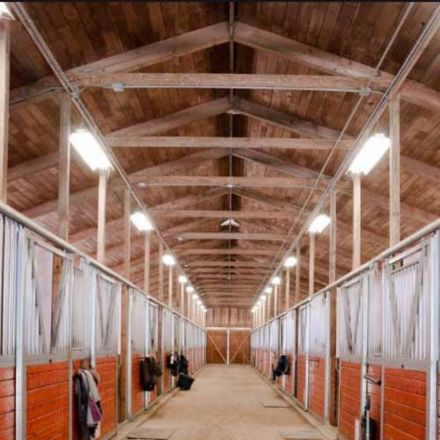
Light Source Options and Their Pros and Cons
Choosing the right lighting technology hinges on your farm’s goals, budget, and energy targets. The main options include:
- Lâmpadas Incandescentes
- cURL Too many subrequests. Low initial cost, simple setup
- cURL Too many subrequests. High energy use, short lifespan, heat emission can stress birds
- Fluorescent Lights
- cURL Too many subrequests. More energy efficient than incandescent, better light spread
- cURL Too many subrequests. Contains mercury, lower lifespan, flicker issues can affect bird welfare
- Iluminação LED
- cURL Too many subrequests. Long lifespan, energy-efficient, customizable light spectrum and intensity, low heat output
- cURL Too many subrequests. Higher upfront cost but saves money over time
LEDs have become the go-to choice in modern poultry farms due to their energy savings and ability to tailor light spectrums to encourage growth and egg production.
Fixture Placement and Spacing Guidelines
How you place and space your lighting fixtures impacts light uniformity and bird comfort. Keep these points in mind:
- Install lights evenly spaced to avoid dark spots
Tailored Poultry Farm Lighting Programs for Different Production Stages
Creating lighting programs specific to each stage of poultry production is essential for maximizing bird health, growth, and productivity. Different phases such as brooding, growing, laying, and breeding demand unique light intensity, duration, and spectrum to support natural behaviors and biological rhythms.
Brooding Phase Lighting Intensity and Duration
During brooding, young chicks need higher light intensity—around 20 lux—to encourage feeding and movement. Light duration should start long, about 16 to 18 hours per day, simulating daylight to reduce stress and support early development. Use warm white or slightly red-tinged lighting to calm the birds while encouraging activity. Avoid abrupt changes to prevent disturbing fragile chicks.
Growing and Rearing Light Schedules and Color Shifts
As birds move into growing and rearing, reduce light intensity gradually to 10-15 lux. The photoperiod can be slightly shortened to stabilize behavior while promoting growth. Introducing a shift in light color from warmer tones to cooler white light helps maintain alertness and feeding habits. This phase benefits from stable, uniform lighting to minimize aggressive behavior and support healthy skeletal development.
Laying and Production Stage Light Timing and Spectrum
For layers, light management is key to egg production. Increasing daily light to 14-16 hours stimulates reproductive hormones. Use red or orange spectrum lighting, which has been shown to improve laying rates and reduce bird stress. Careful timing with morning ramp-up and evening
Design and Installation Best Practices for Poultry Barn Lighting
Proper lighting design and installation are crucial for optimal poultry health, productivity, and energy efficiencycURL Too many subrequests.
Assessing Barn Size and Environmental Factors
- cURL Too many subrequests. cURL Too many subrequests.
- Considere cURL Too many subrequests. cURL Too many subrequests.
- cURL Too many subrequests. cURL Too many subrequests. cURL Too many subrequests.
- cURL Too many subrequests. cURL Too many subrequests. cURL Too many subrequests.
Maintaining Light Uniformity and Cleaning Schedules
- cURL Too many subrequests. cURL Too many subrequests. cURL Too many subrequests.
- cURL Too many subrequests.
- cURL Too many subrequests. cURL Too many subrequests.
- cURL Too many subrequests.
Common Lighting Mistakes and Health Impacts
- cURL Too many subrequests. can cause stress and poor flock
Advanced Poultry Farm Lighting Technologies
Modern poultry farm lighting is evolving fast, and LED lighting for chicken coops leads the way with plenty of benefits. Let’s break down why upgrading to advanced lighting tech makes sense for your poultry operation.
LED Advantages Lifespan and Energy Savings
LED lights outlast traditional bulbs by years, often lasting over 50,000 hours. This means fewer replacements and less maintenance. Plus, LEDs consume cURL Too many subrequests., which lowers your electricity bills—a huge win for poultry farms facing rising energy costs.
- Vida útil mais longa reduces downtime and maintenance expenses.
- Alta eficiência energética means lower utility bills.
- Stable light output for consistent photoperiod management.
Smart Poultry Lighting Systems With IoT Sensors
cURL Too many subrequests. sistemas de iluminação inteligente powered by IoT (Internet of Things) puts precise control in your hands. These systems adjust lighting schedules automatically based on environmental factors like natural light, temperature, and bird behavior.
- IoT sensors monitor light intensity and duration for ideal photoperiod management.
- Automation mimics natural daylight patterns to improve bird welfare and productivity.
- Remote control and monitoring help farmers track and tweak lighting settings from anywhere.
Sustainability Benefits of Modern Poultry Lighting
Modern lighting doesn’t just save you money—it also supports sustainable farming practices. Using energy-efficient farm lighting lowers your carbon footprint and reduces waste
Troubleshooting Common Poultry Lighting Problems and Maintenance Tips
Keeping your poultry farm lighting running smoothly is crucial for maintaining flock health and productivity. Let’s go over how to spot common problems, routine maintenance you should follow, emergency solutions, and some helpful FAQs.
Detecting Dim or Uneven Light Issues
Dim or uneven lighting can stress your birds, affecting behavior and production. Here’s what to watch for:
- Uneven light distribution: Check for dark spots or areas that get less light, which can cause flock crowding or uneven growth.
- Dim lights: Over time, bulbs lose brightness. If you notice reduced illumination, it’s time to inspect and possibly replace your light sources.
- Incorrect fixture placement: Fixtures placed too high, too low, or too far apart can cause inconsistent light intensity.
Dica: Use a simple light meter or smartphone app to measure light intensity regularly. Maintain recommended levels based on flock stage (e.g., brooding vs. laying).
Routine Poultry Lighting Maintenance Schedule
Consistent maintenance boosts lighting system reliability and energy efficiency:
- Clean fixtures monthly to remove dust and droppings that reduce light output.
- Inspect wiring and plugs quarterly for wear or damage.
- Replace bulbs before end of lifespan, especially for LED systems that dim slowly.
- Check automation controls seasonally to ensure timers and dimmers
Measuring ROI and Benefits of Poultry Farm Lighting Upgrades
Upgrading your poultry lighting system isn’t just about better light—it’s about real, measurable business benefitscURL Too many subrequests.
Key Metrics to Track for Poultry Lighting ROI
- cURL Too many subrequests.cURL Too many subrequests. cURL Too many subrequests. cURL Too many subrequests.
- cURL Too many subrequests.cURL Too many subrequests. cURL Too many subrequests.cURL Too many subrequests.
- cURL Too many subrequests.cURL Too many subrequests.
Calculating Energy Cost Savings with Efficient Poultry Lighting
cURL Too many subrequests. cURL Too many subrequests. cURL Too many subrequests.
- cURL Too many subrequests.
- cURL Too many subrequests.
- Fator

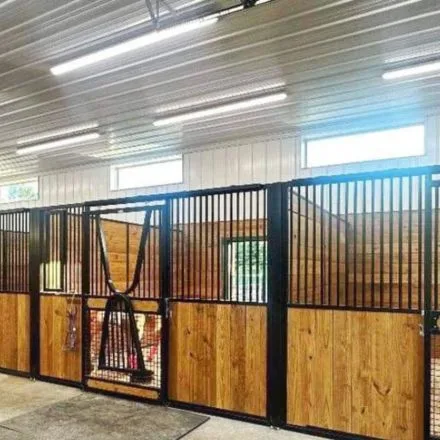
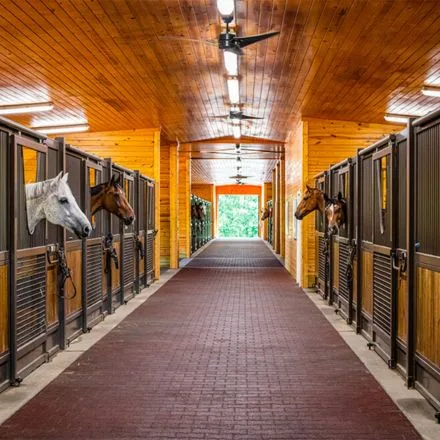
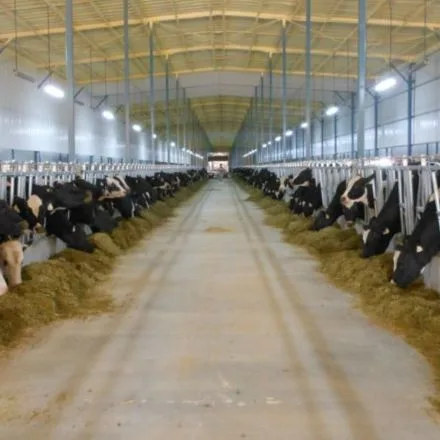
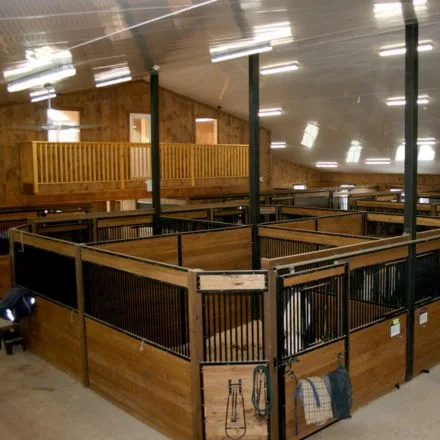
Agricultural barn lighting
Agricultural barn lighting Solution Agricultural barn lighting is [...]

Poultry house lighting
Poultry house lighting Solution Poultry house lighting is [...]




 Portuguese
  English
  French
  Arabic
  German
  Spanish
  Italian
  Esperanto
  Greek
Greek  Finnish

It’s very easy to find out any matter on web as compared to
books, as I found this paragraph at this web site.