

Why Pig House Lighting Is a Profit Lever: Flicker, 300 Lux Systems & Energy Savings
Lighting in pig houses is far more than just illumination—it’s a critical profit lever. Understanding and optimising swine barn LED lights, flicker-free technology, and proper lux levels directly influences pig welfare, productivity, and farm costs.
Flicker-Free Lighting: Protecting Pig Welfare and Growth
Fliker is a silent performance killer. Traditional fixtures often flicker at rates invisible to the human eye but which stress pigs. This stress can reduce feed intake, disturb rest cycles, and hamper growth. Using flicker-free swine fixtures ensures a calm and stable environment that supports better health and weight gain.
- Flicker causes unnecessary agitation in pigs.
- Flicker-free LEDs improve behaviour and productivity.
- Reduced stress leads to fewer health issues and stabilised growth rates.
Why 300 Lux Matters: The Sweet Spot for Productivity
For pig houses, about 300 lux of consistent, uniform light is the practical benchmark. Here’s why hitting this target is vital:
- Optimal visibility for pigs and workers improves safety and care.
- 300 lux aligns with pig vision needs, supporting natural behaviour and feeding.
- Overlit barns waste energy; underlit barns jeopardise welfare and output.
Balancing lux levels creates an environment where pigs are alert but not overstimulated, maximising daily gain while reducing stress-induced delays in growth.
Electricity Savings Through Smart Lighting Systems
Electricity is a significant operational cost on pig farms. Modern energy-efficient hog barn LEDs cut energy use dramatically compared to older lighting systems.
- LEDs use up to 70% less electricity than traditional lighting.
- Dimming capabilities, like dim-to-red pig lighting, allow for customised light cycles that save power during low-activity periods.
- Intelligent lighting controls reduce waste by adapting to natural daylight and pig activity.
This means immediate cost reductions and long-term sustainability—allowing reinvestment into other profit-driving areas like feed, health, or building upgrades.
cURL Too many subrequests. Investing in flicker-free, 300 lux LED lighting tailored for pig houses is a straightforward strategy to boost pig growth, enhance welfare, and slash electricity bills. It’s not just lighting—it’s a smart business decision.
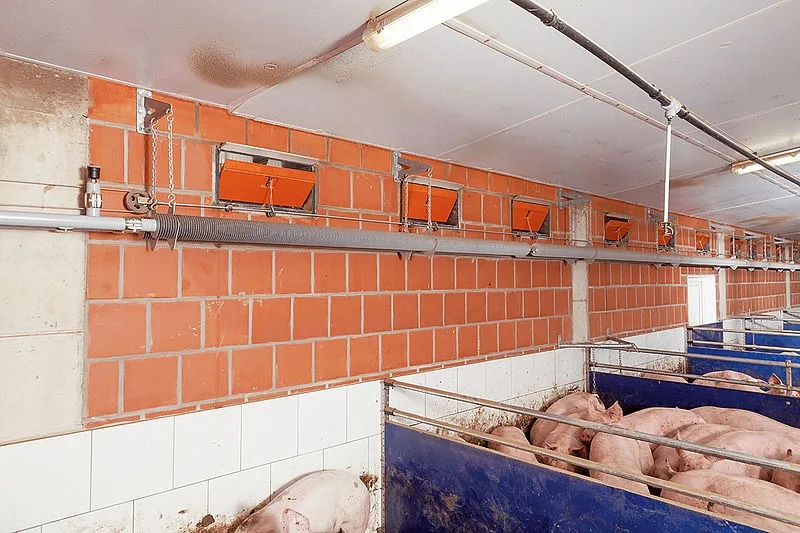
Pig Vision 101: Finding the Blue-Green Sweet Spot for Pig House Lighting
Understanding pig vision is key to optimising pig house lighting for health, calmness, and productivity. Unlike humans, pigs see the world differently—they are most sensitive to blue and green light wavelengths, which creates the so-called blue-green sweet spot cURL Too many subrequests.
cURL Too many subrequests.
cURL Too many subrequests. cURL Too many subrequests.cURL Too many subrequests.
- cURL Too many subrequests.cURL Too many subrequests.
- cURL Too many subrequests.cURL Too many subrequests.
- cURL Too many subrequests.cURL Too many subrequests.
cURL Too many subrequests.
cURL Too many subrequests.
- Mirare a cURL Too many subrequests. cURL Too many subrequests.
- Usa cURL Too many subrequests. cURL Too many subrequests.
cURL Too many subrequests.
- cURL Too many subrequests. as calm pigs eat more steadily.
- Improved reproductive performance in breeding and farrowing houses.
- Reduced injury rates through less aggressive behaviour.
By honing lighting design around the pig’s natural vision and behavioural cues, producers can deliver a more comfortable, energy-efficient environment that supports health and productivity.
For more on durable and flicker-free fixtures designed with pig vision in mind, consider our prillumen light fixture selector to choose optimal solutions tailored for swine barns.
cURL Too many subrequests. Focus on blue-green spectrum lighting, moderate lux levels, and dim-to-red options to create calm and efficient pig house lighting setups.
Introduction-by-Zone Lux & Photoperiod Cheat Sheet for Pig House Lighting
Lighting plays a key role in supporting pig health and productivity at every growth stage. Different zones of the pig house require tailored lux levels e photoperiods to boost welfare and performance. Here’s a straightforward guide to help you get the light right throughout your farm.
Boar Housing: Calm and Controlled Lighting
- Lux level: 100–150 lux
- Photoperiod: 12–14 hours of light, balanced with darker rest periods
- Boars do best with moderate illumination to stay calm and maintain good breeding behaviours. Bright, flicker-free swine barn LED lights reduce stress without overstimulation.
Gestation Units: Gentle & Consistent Light
- Lux level: 100 lux
- Photoperiod: 12–14 hours daily
- Consistency here matters. Stable lighting schedules encourage normal activity and feed intake. Avoid sharp brightness changes to keep sows comfortable during pregnancy.
Farrowing House Illumination: Focused and Soft
- Lux level: 150–200 lux
- Photoperiod: 12–14 hours with dim-to-red options at night
- Bright enough for sow monitoring, but also with dim-to-red pig lighting to calm piglets during night hours. Red spectrum light supports maternal behaviour and piglet rest without causing disturbances.
Nursery Lighting: Growth and Adjustment
- Lux level: 150–250 lux
- Photoperiod: 14–16 hours
- Nursery pigs need more light to encourage feeding and activity as they grow. Use flicker-free swine fixtures with a blue-green spectrum mix, boosting piglet welfare and reducing stress.
Finishing Stages: High Intensity & Longer Days
- Lux level: 250–300 lux
- Photoperiod: 16 hours or more
- Pigs at finishing benefit from brighter, longer light phases to support daily gain and overall health. This also helps in reducing aggressive behaviours. Energy-efficient, waterproof hog barn LEDs cURL Too many subrequests.
cURL Too many subrequests.
cURL Too many subrequests. cURL Too many subrequests. cURL Too many subrequests. cURL Too many subrequests. cURL Too many subrequests.
cURL Too many subrequests.
cURL Too many subrequests. cURL Too many subrequests. cURL Too many subrequests.
cURL Too many subrequests.
cURL Too many subrequests. cURL Too many subrequests.cURL Too many subrequests.
cURL Too many subrequests.
cURL Too many subrequests. cURL Too many subrequests. cURL Too many subrequests.
- cURL Too many subrequests.
- Minimise injury risks caused by overactivity
- Support breeding and farrowing stages with gentler illumination
Energy Efficiency Saves Money
Energy costs are a big factor in farm expenses. prillumen’s LED solutions are highly energy-efficient, cutting electricity consumption without sacrificing the right lux levels for pigs. Their fixtures are designed with precise light output control, helping you stay within the ideal 300 lux range where needed, and lowering usage in other zones.
- Flicker-free technology reduces pig stress and avoids eye strain
- Smart controls enable dimming during off-peak hours
- Long lifespan LED chips mean fewer replacements and less waste
Why prillumen Fits UK Pig Farms
- Built tough for ammonia-heavy environments
- Supports pig health with dim-to-red lighting options
- Cuts energy bills with smart, efficient LEDs
- Easy to integrate into existing barns with various mounting options
Choosing prillumen fixtures means investing in quality, pig welfare, and savings all at once — a solid decision for any UK pig farm looking to upgrade barn lighting.
LED 7-Step Retrofit Pig Roadmap: Easy Guide for Upgrading Your Pig House Lighting
Upgrading your pig house lighting to energy-efficient cURL Too many subrequests. doesn’t have to be overwhelming. Follow this 7-step retrofit roadmap to improve pig welfare and performance while saving on electricity bills.
1. Assess Existing Vision and Lux Levels
Before making any changes, map your current lighting conditions. Check lux levels in key zones—gestation, farrowing, nursery, finishing—to ensure you understand where lighting falls short. Use a simple lux meter to get precise readings. This helps avoid under- or over-lighting areas.
2. Inspect and Upgrade Wiring Safely
Make sure the existing electrical wiring can support LED fixtures. LEDs draw less power but require compatible wiring and controls. Hire a qualified electrician to check for faults and update wiring if needed, ensuring compliance with UK electrical standards.
3. Choose Flicker-Free, Ammonia-Resistant LEDs
Selezionare flicker-free LED lights designed specifically for swine barns. These reduce stress in pigs and improve behaviour. Plus, pick fixtures that are IP65+ waterproof and ammonia-proof to withstand the harsh barn conditions common across UK farms.
4. Test Red Light Perception on Pigs
Pigs respond better to the blue-green light spectrum, but red light helps during farrowing or low-light periods. Test dim-to-red options in small sections first to observe behavioural changes without disrupting the whole herd.
5. Apply for Energy Rebates and Grants
Many UK regions offer rebates or grants for upgrading to energy-efficient LED systems. Investigate schemes like the cURL Too many subrequests. cURL Too many subrequests.
cURL Too many subrequests.
Usa cURL Too many subrequests. cURL Too many subrequests. cURL Too many subrequests. cURL Too many subrequests.
cURL Too many subrequests.
cURL Too many subrequests. cURL Too many subrequests. cURL Too many subrequests.
cURL Too many subrequests.
cURL Too many subrequests.
Quando si tratta di pig house lighting, rispettando cURL Too many subrequests. cURL Too many subrequests. cURL Too many subrequests. cURL Too many subrequests.
cURL Too many subrequests.
La cURL Too many subrequests. cURL Too many subrequests. EU Pig Directive. Key points include:
- Minimum Lux Levels: Typically, pig housing areas must maintain at least 100 lux for a minimum of 8 hours daily to promote natural behaviour.
- Photoperiod Control: Regulated light durations support reproductive cycles and wellbeing.
- Efficienza energetica: The EU encourages the use of cURL Too many subrequests. solutions that meet environmental targets without compromising lux levels.
These rules ensure farms use proper pig welfare lighting that reduces stress and supports growth. For UK farmers, aligning with EU standards aids in exports and quality assurance, especially post-Brexit.
USA and Canada: Standards and Practices
In North America, the approach tends to focus on guidelines from the American Society of Agricultural and Biological Engineers (ASABE) and provincial regulations in Canada. Highlights include:
- Flicker-Free Lighting: Many standards emphasise flicker-free fixtures to prevent pig stress, a common issue that UK producers should heed.
- Spectral Recommendations: Use of the blue-green spectrum is encouraged for calmness and productivity, with red light reserved for farrowing or night periods.
- Electrical Safety & Energy Ratings: Both countries require swine barn LEDs to meet specific energy efficiency and safety standards—important when retrofitting older UK facilities.
Common Myths About Pig House Lighting Compliance
- Myth 1: “Any light above 50 lux is fine.” – False. Proper intensity and photoperiod are essential. Too low or too high can harm pig performance.
- Myth 2: “Red light is harmful at all times.” – Not true. When used correctly, dim-to-red lighting benefits farrowing sows and night viewing without disturbing pigs.
- Myth 3: “Natural light eliminates need for LEDs.” – Natural light varies and can cause flicker and shadows. Combining with flicker-free swine fixtures provides stable lighting and energy savings.
What This Means for UK Pig Farms
For farmers in the UK, investing in compliant, energy-efficient hog barn LEDs is also a smart business move:
- Meets welfare legislation and reduces risk of penalties.
- Improves pig health, supporting better daily gain and lower stress.
- Saves electricity costs with modern ammonia-proof, flicker-free fixtures.
- Aligns with sustainable farming initiatives as LEDs consume less power and last longer.
cURL Too many subrequests. cURL Too many subrequests. cURL Too many subrequests.
cURL Too many subrequests. cURL Too many subrequests. cURL Too many subrequests.cURL Too many subrequests.
cURL Too many subrequests.
When upgrading to energy-efficient hog barn LEDs cURL Too many subrequests. dim-to-red pig lighting cURL Too many subrequests. cURL Too many subrequests. cURL Too many subrequests.
cURL Too many subrequests.
- cURL Too many subrequests.cURL Too many subrequests.
- cURL Too many subrequests.cURL Too many subrequests.
- cURL Too many subrequests.cURL Too many subrequests.
- cURL Too many subrequests.cURL Too many subrequests.
Using this tool helps you plan smarter and choose lighting suited to your pig house’s unique needs.
Real Farm Wins: Proven Lighting Success Stories
Our case studies from UK farms show real-world savings and productivity gains after switching to flicker-free, waterproof barn lights specially designed for swine barns. Highlights include:
- Significant electricity cost drops of up to 40%
- cURL Too many subrequests. pig welfare with optimised lux levels in farrowing houses and nursery units
- Reduced downtime thanks to light fixtures built for harsh NH3 (ammonia) environments
- Enhanced growth rates and calmness from properly tuned blue-green spectrum lighting
Why These Wins Matter
Seeing actual results from fellow pig farmers brings confidence to invest in new lighting technology. It also emphasises how proper lighting boosts both animal welfare and profitability — a win-win for any UK pig operation.
By using the cURL Too many subrequests. alongside our case study videos, you get a full picture from initial cost to long-term benefit. This allows you to make informed decisions, ensuring your lighting projects pay off faster with fewer risks.
Switching to the right pig house lighting isn’t just about saving energy. It’s about making smarter choices that support better growth, welfare, and profitability on your farm. Our tools and real farm examples make that easy to see.
Key Lighting Parameters for Optimal Pig Performance
When it comes to pig house lighting, daily gain, photoperiod length, and light intensity are the core drivers that directly impact pig growth and welfare. Getting these right boosts productivity and supports healthier animals throughout every stage.
Daily Gain & Lighting
Pig growth rates correlate strongly with lighting conditions. Proper lux levels and suitable light spectra can stimulate appetite and activity, leading to better daily weight gain. For example:
- cURL Too many subrequests. in nursery and finishing stages promotes feeding and movement.
- Flicker-free swine barn LEDs help reduce stress, supporting consistent growth.
Photoperiod Length
La cURL Too many subrequests.—how long pigs are exposed to light daily—affects hormone cycles, behaviour, and reproductive performance.
- A typical 16 hours of light / 8 hours of dark cycle encourages better feed intake and weight gain.
- Longer light periods aren’t always better—too much light can increase stress.
- Farrowing houses benefit from adjusted shorter light phases to keep sows calm.
Intensity & Spectrum
Light intensity matters but must be matched to the pig’s needs:
| Pig House Area | Recommended Lux Level | cURL Too many subrequests. |
|---|---|---|
| cURL Too many subrequests. | cURL Too many subrequests. | cURL Too many subrequests. |
| cURL Too many subrequests. | cURL Too many subrequests. | cURL Too many subrequests. |
| cURL Too many subrequests. | cURL Too many subrequests. | cURL Too many subrequests. |
| cURL Too many subrequests. | cURL Too many subrequests. | cURL Too many subrequests. |
| cURL Too many subrequests. | cURL Too many subrequests. | cURL Too many subrequests. |
Perché È Importante
- cURL Too many subrequests. cURL Too many subrequests.
- cURL Too many subrequests. cURL Too many subrequests. cURL Too many subrequests.
- cURL Too many subrequests.
Table: Key Lighting Parameters
| Parametro | Target Range | Effect |
|---|---|---|
| Lux Levels | 50 – 300 lux (by zone) | Supports activity, feeding, calmness |
| Photoperiod Length | 12 – 16 hours light/day | Balances growth and rest |
| Light Spectrum | Blue-green (450-550nm) + dim red | Controls behaviour and stress |
Optimising these lighting parameters in your pig house—using energy-efficient, flicker-free swine barn LED lights tailored for UK farming conditions—translates directly into improved daily gain, healthier stock, and ultimately better farm profits.
FAQs on Pig House Lighting: Natural & LED Mix, Red Light Safety, Warranty Matters
Quando si tratta di pig house lighting, many farmers have common questions about blending natural and LED light, red light safety, and warranties. Let’s clear those up with straightforward answers tailored for UK pig farmers.
Can I Mix Natural Light with LED Lighting in Pig Houses?
Yes, but balance is key.
Natural daylight is great for pigs—it’s familiar and supports healthy circadian rhythms. However, relying solely on daylight isn’t practical throughout the year, especially in darker UK winters. Integrating energy-efficient LED lights with natural light ensures consistent illuminance and control over photoperiods.
- Use LEDs to supplement daylight during short winter days.
- Position fixtures to avoid direct glare and reduce flicker stress.
- Employ dimmable or automated systems to adjust light levels based on available daylight, improving pig welfare and energy savings.
Is Red Lighting Safe for Pigs?
Absolutely, when used correctly.
Red light, especially in the form of dim-to-red pig lighting, is popular in farrowing and nursery units. Its benefits include:
- Calmer behaviour and reduced stress levels in sows and piglets.
- Enhanced visibility for farm workers without alarming animals.
- Supporting circadian rhythms without disrupting sleep patterns.
However, ensure red LEDs are senza flicker and installed to avoid excessive intensity, which can cause discomfort or behavioural issues.
What Should I Know About LED Lighting Warranties for Pig House Use?
Look for warranties covering harsh barn conditions.
Pig houses expose lighting fixtures to high humidity, ammonia vapours, and dust, so:
- Scegli ammonia-proof and waterproof barn lights designed specifically for swine environments.
- Confirm the warranty covers these factors—typically 3 to 5 years for commercial pig farm LEDs.
- Keep proof of purchase and installation details to support any future claims.
Warranty support often goes hand-in-hand with buying from reputable suppliers specialising in livestock lighting, such as those referenced in The Ultimate Guide to Livestock Lighting.
cURL Too many subrequests.
- Mixing natural and LED light is practical with smart controls.
- cURL Too many subrequests.
- cURL Too many subrequests.
cURL Too many subrequests.
cURL Too many subrequests.
cURL Too many subrequests. cURL Too many subrequests. cURL Too many subrequests. cURL Too many subrequests.cURL Too many subrequests.
cURL Too many subrequests.
cURL Too many subrequests. cURL Too many subrequests. cURL Too many subrequests. 150–200 luxcURL Too many subrequests. cURL Too many subrequests. cURL Too many subrequests.
- Usa cURL Too many subrequests. cURL Too many subrequests.
- cURL Too many subrequests.
- Avoid sudden brightness changes to reduce stress.
Farrowing House Illumination
During farrowing, sows need a more controlled light environment. Lower lux levels, about 100–150 lux, with a warm spectrum (yellow to red) help create a relaxing environment promoting better maternal behaviour and piglet safety.
- cURL Too many subrequests. dim-to-red pig lighting to reduce piglet crushing risks and maintain sow calmness.
- Maintain a steady photoperiod of 12 hours, mimicking natural day length.
- Combine artificial lighting with natural light where possible, but avoid glare.
Nursery and Weaning Lighting
Piglets are sensitive to light after birth. Nursery lighting should focus on comfort and growth stimulation, with higher lux levels (200–300 lux) in feeding and activity zones.
- Usa blue-green spectrum lights to encourage calmness and support eye development.
- Gradually increase lighting during the day to promote feeding activity.
- Keep darkness periods adequate (8–12 hours) for rest.
Finishing Barn Lighting
Lighting in finishing barns aims to maximise growth rates and feed conversion. Bright but flicker-free LED lighting at 250–300 lux during the active part of the day helps encourage movement and feeding.
- cURL Too many subrequests. around 14–16 hours of light daily for steady weight gain.
- Avoid harsh white light; opt for balanced spectra that support health without causing agitation.
- Usa energy-efficient hog barn LEDs with good waterproof and dustproof ratings to withstand barn conditions.
Boar Housing Lighting
Boars benefit from moderate, consistent lighting that supports fertility without causing stress.
- Keep light levels around 150–200 lux.
- Utilise steady, flicker-free lighting with minimal blue spectrum, favouring warm tones.
- Apply photoperiods of 12–14 hours to maintain libido and semen quality.
Key Takeaway:
Optimising lighting by pig house stage helps improve animal welfare and productivity. Stick to appropriate lux levels, spectra, and photoperiods for each zone. Always consider installing cURL Too many subrequests. cURL Too many subrequests.
cURL Too many subrequests.
cURL Too many subrequests. tecnologia LED cURL Too many subrequests.
cURL Too many subrequests.
- Efficienza EnergeticacURL Too many subrequests.
- Lunga DuratacURL Too many subrequests.
- cURL Too many subrequests.cURL Too many subrequests.
- cURL Too many subrequests.cURL Too many subrequests.
cURL Too many subrequests.
cURL Too many subrequests.
- cURL Too many subrequests. cURL Too many subrequests.
- cURL Too many subrequests. cURL Too many subrequests.
- cURL Too many subrequests. create tailored photoperiods for each pig house zone — from gestation pens to finishing barns.
Essential Features to Look for
When shopping for pig house lighting, focus on:
- Lux Levels and Uniformity: Target around 300 lux for active areas; ensure even distribution to prevent dark spots.
- cURL Too many subrequests.: Ability to adjust intensity helps mimic natural cycles and reduce stress.
- Durability Standards: IP65 or higher water and dust resistance is vital.
- cURL Too many subrequests.: Look for flicker-free, low-EMI power supplies.
- Integrazione facile: Compatibility with existing wiring, controls, and energy management systems.
- Garanzia e supporto: A robust warranty and good supplier support protect your investment.
Buyer’s Checklist for Pig House LED Lighting
| Caratteristica | Perché È Importante | Aim For |
|---|---|---|
| Efficienza Energetica | Cuts electricity bills | ≥ 100 lumens per watt |
| cURL Too many subrequests. | Reduces pig stress | Verified <5% flicker rate |
| Spectral Tuning | Supports pig health and growth | Blue-green + dim-to-red modes |
| Waterproof & Ammonia-Proof | Withstands barn conditions | cURL Too many subrequests. |
| Capacità di dimmeraggio | Controls pig behaviour | Smooth dim-to-red control |
| Lunga Durata | Low maintenance and replacement cost | >50,000 hours operational |
| Garanzia | Ensures reliability and service | Minimum 3 years |
Scegliendo LED pig lighting designed specifically for farm conditions, UK producers get the best mix of performance, pig welfare, and cost savings. Always prioritise spectral quality and fixture durability — these are the real profit levers in modern pig house lighting technology.
Installation and Design Best Practices for Pig House Lighting
Good lighting in pig houses isn’t just about picking fixtures and switching them on. Proper installation and design are crucial to maximise benefits—whether that’s improved pig welfare, better productivity, or cutting energy costs.
Layout and Lux Measurement
- Plan the lighting layout based on pig zones: Different stages (farrowing, nursery, finishing) need specific lux levels. For example, boar housing requires lower intensity, while nursery areas benefit from around 150-200 lux.
- Usa un lux meter to measure light levels across the barn after installation. This ensures every zone meets recommended illumination standards without wasting energy.
- Position lights to minimise shadows and glarecURL Too many subrequests.
cURL Too many subrequests.
- cURL Too many subrequests. cURL Too many subrequests. cURL Too many subrequests.
- Usa cURL Too many subrequests. cURL Too many subrequests.
- Considera cURL Too many subrequests. cURL Too many subrequests.
cURL Too many subrequests.
- Usa cURL Too many subrequests.cURL Too many subrequests.
- cURL Too many subrequests.
- cURL Too many subrequests.
Consigli per la manutenzione
- cURL Too many subrequests. cURL Too many subrequests. cURL Too many subrequests.
- cURL Too many subrequests.
- cURL Too many subrequests.
cURL Too many subrequests.
For more on energy-saving benefits and lighting controls, check out this LED Batten Lighting Buyer’s Guide.
Benefits of Pig House Lighting Backed by Research
Productivity Gains with Optimised Lighting
cURL Too many subrequests. pig house lighting is more than just illumination—it directly influences pig growth and farm output. Studies consistently show that properly designed lighting systems, especially swine barn LED lights with the right lux levels, can improve daily weight gain by up to 10%. Optimised lighting stimulates better feeding behaviour and reduces stress, which means healthier, faster-growing pigs across all stages, from nursery to finishing.
Welfare Improvements Through Light Management
Lighting tailored for pigs—like dim-to-red systems and full-spectrum LEDs—helps create a calm, natural environment. Research highlights:
- Reduced aggression and stress in boar and sow housing
- Better rest periods thanks to controlled photoperiods
- Enhanced sow comfort during farrowing with softer, flicker-free lighting
These factors contribute to improved animal welfare, which aligns with UK farming standards and customer expectations.
Significant Energy Savings on Farms
Passando a apparecchi efficienti dal punto di vista energetico hog barn LEDs reduces electricity bills without compromising light quality. Case studies in the UK reveal:
| Tipo di illuminazione | Energy Consumption Reduction | Typical Payback Period |
|---|---|---|
| Traditional bulbs | Linea di base | N/A |
| Fluorescent tubes | 25-40% savings | 2-3 years |
| LED swine barn lights | 50-70% savings | 1-2 years |
Farmers benefit from lower running costs alongside improved pig performance, making LEDs a smart investment.
Real UK Farm Examples
- A Midlands pig farm reported a 12% increase in daily gain after upgrading to flicker-free LEDs with blue-green spectrum tuning.
- A Scottish producer cut energy bills by 60% and noticed calmer pigs with dim-to-red lighting in farrowing houses.
- Multiple UK farms confirmed improved sow reproductive performance through precise photoperiod control.
Why Lighting Matters
| Vantaggio | Dettagli | UK Relevance |
|---|---|---|
| Productivity | Up to 10% growth improvement | Faster turnover, better profits |
| Welfare | Lower stress, better health | Meets welfare guidelines |
| Risparmio Energetico | cURL Too many subrequests. | cURL Too many subrequests. |
| cURL Too many subrequests. | cURL Too many subrequests. | cURL Too many subrequests. |
cURL Too many subrequests. pig house lighting cURL Too many subrequests.
cURL Too many subrequests.
Quando si tratta di pig house lightingcURL Too many subrequests.
cURL Too many subrequests.
Rispetto delle cURL Too many subrequests. cURL Too many subrequests.
- cURL Too many subrequests. cURL Too many subrequests.
- cURL Too many subrequests. cURL Too many subrequests. cURL Too many subrequests.
- Utilizzo di flicker-free swine fixtures cURL Too many subrequests.
cURL Too many subrequests.
cURL Too many subrequests.
Eco-conscious farming means cutting emissions and lowering energy bills. Switching to energy-efficient hog barn LEDs ticks both boxes:
- LEDs consume less electricity than traditional bulbs, leading to sizeable electricity savings on your pig farm.
- Many modern fixtures offer dim-to-red pig lighting, which enhances pig welfare by mimicking natural light cycles, while still reducing energy use during low-activity periods.
- Durable, waterproof barn lights with long service life reduce replacement costs and waste.
Choosing LED solutions with a focus on green spectrum pig growth not only boosts productivity but also aligns your farm with the UK’s carbon reduction targets.
The Future: Smart IoT and Spectrum Tuning
The future of pig house lighting is smart and precise. IoT-enabled lighting systems allow farmers to:
- Monitor real-time light levels across different barns and zones.
- cURL Too many subrequests. spectral outputs instantly to match pigs’ behavioural needs and health — for instance, increasing blue-green light to promote calmness.
- Control lighting remotely, optimising photoperiods and lux without manual adjustments, improving efficiency.
These smart systems provide data-driven insights, helping you fine-tune lighting to support best practices for pig welfare and energy use.
Why Compliance and Sustainability Matter
- Follow UK and EU lighting regulations to ensure pig health, safety, and farm credibility.
- Invest in eco-friendly LED swine barn lights to reduce energy use and carbon footprint.
- Explore emerging smart IoT lighting solutions for more precise, efficient pig house illumination.
- Stay ahead by adopting innovative spectrum tuning, supporting animal welfare and boosting production.
By embracing compliance and sustainability, UK pig farmers not only protect their animals and workers but also future-proof their operations in a rapidly evolving agricultural landscape.




 Italian
  English
  French
  Arabic
  German
  Spanish
  Portuguese
  Esperanto
  Greek
Greek  Finnish

Lascia un Commento