

Setting out downlights for commercial projects isn’t just about poking holes in the ceiling—it’s a strategic process that impacts everything from energy efficiency to employee comfort and safety. Whether you’re an architect, lighting designer, or contractor, nailing the right la disposition means hitting the perfect balance of lux levels, glare control, and site constraints. In this layout guide, you’ll discover practical steps to plan and position cURL Too many subrequests. that deliver uniform illumination tailored to your commercial space’s needs. Ready to avoid common pitfalls and optimize your lighting design for real-world results? Let’s get started.
Understanding Lux Level Requirements for Commercial Spaces
cURL Too many subrequests. commercial downlight spacing and lighting layouts, one of the first questions I ask is: How bright should the space be? This comes down to understanding lux levels—a measure of light intensity on a surface. Getting this right is key for comfort, productivity, and meeting standards like IES, EN 12464-1, or local building codes.
Why Lux Levels Matter
Lux levels ensure:
- Work areas have enough light for tasks without eye strain
- Retail spaces highlight products effectively
- Warehouses and corridors maintain safety
- Meeting rooms and lobbies feel welcoming yet practical
Lighting too dim or too harsh can hurt visibility and overall experience.
Recommended Lux Levels for Commercial Spaces
| cURL Too many subrequests. | Recommended Lux Level (lx) |
|---|---|
| Offices / General Work Areas | 300 – 500 |
| Retail / Display Areas | 500 – 1000 |
| Warehouses / Circulation | 100 – 300 |
| Conference Rooms / Lobbies | cURL Too many subrequests. |
What Influences These Requirements?
- cURL Too many subrequests. cURL Too many subrequests.
- cURL Too many subrequests. cURL Too many subrequests.
- cURL Too many subrequests. cURL Too many subrequests.
cURL Too many subrequests. cURL Too many subrequests. cURL Too many subrequests. cURL Too many subrequests. cURL Too many subrequests.
Selecting the Right Downlights for Your Project
cURL Too many subrequests. lumen output cURL Too many subrequests. angle de faisceaucURL Too many subrequests. cURL Too many subrequests. cURL Too many subrequests. cURL Too many subrequests. cURL Too many subrequests.
For commercial projects, popular types include recessed fixed downlights for consistent illumination, adjustable gimbal models for flexible spotlighting, and anti-glare fixtures designed to reduce eye strain. High-output downlights are suited for larger areas requiring more intense light.
Optant pour LED downlights brings energy efficiency and long lifespan benefits, reducing operating costs and maintenance. Partner with reliable suppliers who offer quality LED commercial recessed fixtures that meet both performance and sustainability standards. For retail environments, combining these with focused task lighting enhances product visibility—see our guide on effective cURL Too many subrequests. for more insights.
The Spacing Formula for Even Illumination
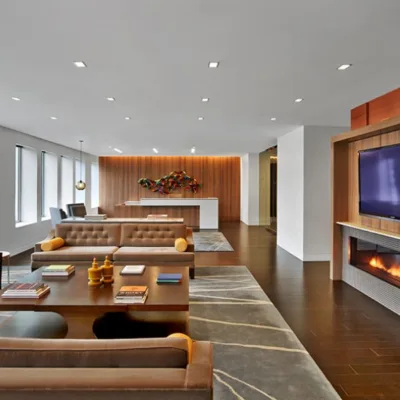
Getting the downlight spacing right is key for even illumination in commercial spaces. A simple rule to start with is: spacing between fixtures should be about 1.5 times the ceiling height. For example, if the ceiling is 3 meters high, aim for roughly 4.5 meters between downlights to create uniform general lighting. Another common starting point is dividing the ceiling height by 2, giving a closer spacing when higher light levels or less glare are needed.
However, this is just a baseline. You’ll want to adjust spacing based on:
- cURL Too many subrequests.: Narrower beams mean lights can be spaced further apart for accent effects, while wider beams suit general coverage with closer spacing.
- Flux lumineux: Higher lumen downlights illuminate larger areas, reducing the number of fixtures needed.
- Room reflectivity: Light-colored walls and ceilings boost effective illumination, allowing wider spacing, unlike darker surfaces that absorb light.
To figure out how many downlights your project requires, use this calculation for total lumens needed:
Total lumens = Room area (m²) × Target lux level × Maintenance factor
For example, a 100 m² office aiming for 400 lux with a maintenance factor of 0.8 will need:
100 × 400 × 0.8 = 32,000 lumens
If you select 3000-lumen downlights, you’d need roughly 11 fixtures (32,000 ÷ 3,000).
Applying these formulas ensures your recessed lighting layout delivers consistent, even illumination tailored to the commercial environment. For detailed design in retail spaces, you can check this practical cURL Too many subrequests. to see how spacing affects product visibility and customer experience.
Avoiding Onsite Clashes and Installation Challenges
When planning your commercial downlight spacing, it’s crucial to coordinate with existing structural elements. Joists, beams, HVAC ducts, sprinkler systems, and fire alarms can all interfere with locating downlights. To avoid costly onsite clashes, map out these obstacles early in your lighting layout plan.
Keep these minimum clearances in mind:
- Maintain distance from joists and beams to prevent drilling or cutting structural supports
- Position fixtures away from HVAC ducts and sprinkler heads to ensure airflow and fire safety
- Avoid placing downlights near fire alarms to prevent triggering false alarms
Proper planning also means considering cable routes and access panels. Lay out wiring paths that don’t cross tight structural spaces, allowing for easier installation and future maintenance. Leaving enough room around fixtures simplifies repairs and upgrades down the line.
By addressing these installation challenges upfront, you ensure your recessed lighting layout commercial projects run smoothly without delays or rework. For more details on effective fixture selection that complements installation ease, check out our range of energy efficient downlights.
Creating the Lighting Layout Plan
When setting out a commercial downlight layout, start by measuring the space accurately. Sketch a grid based on your chosen spacing formula, then mark where each downlight will go. Don’t forget to account for furniture and different zones—workstations, meeting areas, and retail displays all need tailored illumination levels.
Choose the right layout pattern to match the space’s function:
- cURL Too many subrequests. cURL Too many subrequests.
- cURL Too many subrequests. cURL Too many subrequests.
- cURL Too many subrequests. cURL Too many subrequests.
cURL Too many subrequests. cURL Too many subrequests., cURL Too many subrequests., cURL Too many subrequests. cURL Too many subrequests. cURL Too many subrequests. cURL Too many subrequests.
cURL Too many subrequests. cURL Too many subrequests. et cURL Too many subrequests. cURL Too many subrequests.
cURL Too many subrequests. energy efficient downlights cURL Too many subrequests.
cURL Too many subrequests.
Professional Verification and Simulation Tools
cURL Too many subrequests. DIALux, Relux, or AGi32 is essential for precise commercial downlight spacing and layout planning. These tools help create accurate models of your space, allowing you to simulate lux levels and beam angle effects before any fixtures are installed.
Benefits of Simulation Software
- Predict lux distribution: Visualise even illumination commercial spaces require.
- Spot hotspots and shadows: Avoid glare and poorly lit zones.
- Generate detailed reports: Easy for client approval and compliance documentation.
- Test layout adjustments: Quickly tweak downlight placement for best performance.
When to Involve a Lighting Consultant
- For complex commercial layouts with challenging ceiling heights or zoning.
- When integrating controls like dimming or sensors.
- To ensure compliance with UGR rating commercial lighting standards.
- For large projects requiring energy-efficient downlights tailored to specific tasks.
Using professional modeling tools streamlines the design process and prevents costly onsite clashes. For well-planned installations, coordinate your lighting layout with structural elements from the start.
For a reliable source of quality LED downlights and expert advice, consider suppliers who support full photometric data and design guidance.
Explore detailed downlight setups in combination with other lighting types to perfect your project’s ambiance and functionality.
Common Mistakes to Avoid and Best Practices
When planning your commercial downlight spacing, avoid over- or under-spacing fixtures. Too far apart causes uneven illumination and shadows, while too close wastes energy and causes glare. Speaking of glare, never overlook the UGR rating—aim for downlights with a UGR below 19 to keep occupant comfort high.
Poor zoning is another common issue. Mixing task lighting with general ambient lighting helps create functional spaces, so consider layering lighting by combining downlights with pendants or linear fixtures. This approach improves visual comfort and highlights key areas like workstations or retail displays effectively.
Sustainability is a must. Choose energy-efficient downlights that comply with local codes and certifications—LED options from trusted suppliers offer longevity and help reduce operating costs. This ensures your project meets building codes while minimizing environmental impact.
For detailed product options, check out commercial-grade LED lighting solutions like those designed for parking lots, as they share similar energy-efficient principles and durability standards suitable for broader commercial use: commercial-grade LED parking lot lights.



 French
  English
  Arabic
  German
  Spanish
  Italian
  Portuguese
  Esperanto
  Greek
Greek  Finnish

Laissez un commentaire